
DbcultAccessing Vault...
Director's Spotlight
Senior Film Conservator
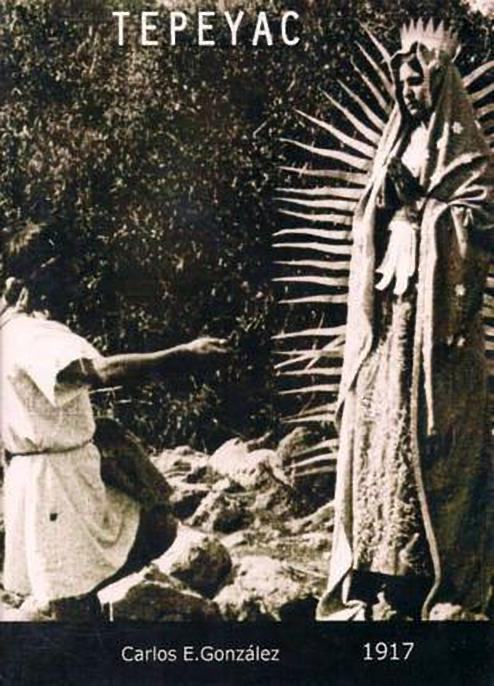
Director's Spotlight: Mexico
A Deep Dive into the 1917 Vision of Carlos E. González
The enduring fascination with Tepeyac is a testament to the defining moment in cult history that Carlos E. González helped create. This film stands as a masterclass in visual storytelling, it has cemented its place in the global cult cinema archive.
In Tepeyac, Carlos E. González pushes the boundaries of conventional narrative. The film's unique approach to its subject matter has sparked endless debates and interpretations among cinephiles and critics alike.
To fully appreciate Tepeyac, one must consider the cinematic climate of 1917. During this period, Mexico was undergoing significant artistic shifts, and Carlos E. González was at the forefront of this cult movement, often challenging established norms.
| Cinematography | Deep Focus |
| Soundtrack | Experimental |
| Editing | Elliptical |
| Art Direction | Expressionist |
Visualizing the convergence of Carlos E. González's style and the core cult narrative.
A man (Arroyo Carrillo) is sent to Europe on a diplomatic mission. The ship in which he travels is sunk by a German submarine. In Mexico, his girlfriend Lupita (Cota) receives a telegram with the news and looks for relief in La Virgen de Guadalupe, saint patron of catholic mexicans. After reading a book about the Virgin legend, Lupita falls asleep. Next morning, she receives good news, her boyfriend is alive. Together they go to La Villa del Tepeyac (a church devoted to La Virgen de Guadalupe) and thank for the miracle.
Decades after its release, Tepeyac remains a vital piece of the cinematic puzzle. Its influence can be seen in countless modern works, solidifying Carlos E. González's status as a master of the craft in Mexico and beyond.