Summary
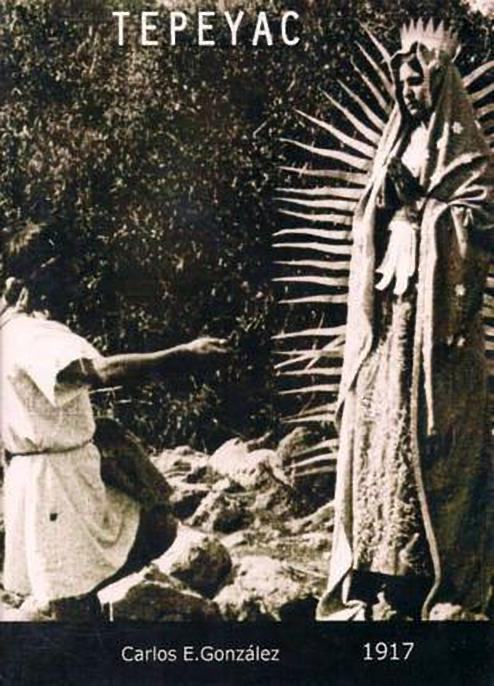
In the lacunar hush of a 1917 ocean turned mass grave, a nameless torpedo cleaves the hull of a steamer bearing Arroyo Carrillo—youthful diplomat, secular pilgrim—toward Europe’s carnivorous trenches; the Atlantic drinks his itinerary, Mexico drinks the myth of his death. Back in volcanic light, Lupita—eyes obsidian, voice a candle’s flicker—clutches a telegram that smells of gunpowder and salt, then kneels beneath the ochre mantle of La Morenita del Tepeyac, patroness stamped on maize-leaf hearts since 1531. Between fevered novenas and the brittle pages of a hagiographic pamphlet, she slips into a dream thick with maguey sap and jacaranda pollen: Juan Diego’s tilma blooming roses in winter, Castilian choirs drowning beneath Náhuatl vowels, a brown-skinned Madonna whispering, ‘I am your merciful mother, not your widow-maker.’ Dawn’s copper gash rewrites the telegram: the ship listed, yes, but Carrillo clung to driftwood, lungs blistered, faith unmoored, now homing toward Veracruz like a swallow stitched to magnetized air. The lovers reunite beneath the basilica’s baroque gold, soles worn thin by contrition, voices hoarse with gratitude; they leave marigolds and a sailor’s salt-stained glove at the altar, while bells—hungry bronze mouths—swallow the horizon whole.
Synopsis
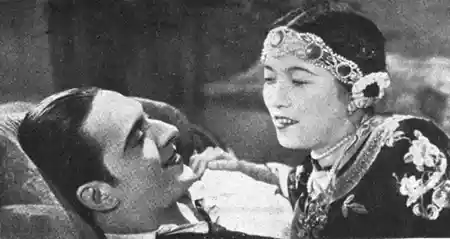
A man (Arroyo Carrillo) is sent to Europe on a diplomatic mission. The ship in which he travels is sunk by a German submarine. In Mexico, his girlfriend Lupita (Cota) receives a telegram with the news and looks for relief in La Virgen de Guadalupe, saint patron of catholic mexicans. After reading a book about the Virgin legend, Lupita falls asleep. Next morning, she receives good news, her boyfriend is alive. Together they go to La Villa del Tepeyac (a church devoted to La Virgen de Guadalupe) and thank for the miracle.
Review Excerpt
"
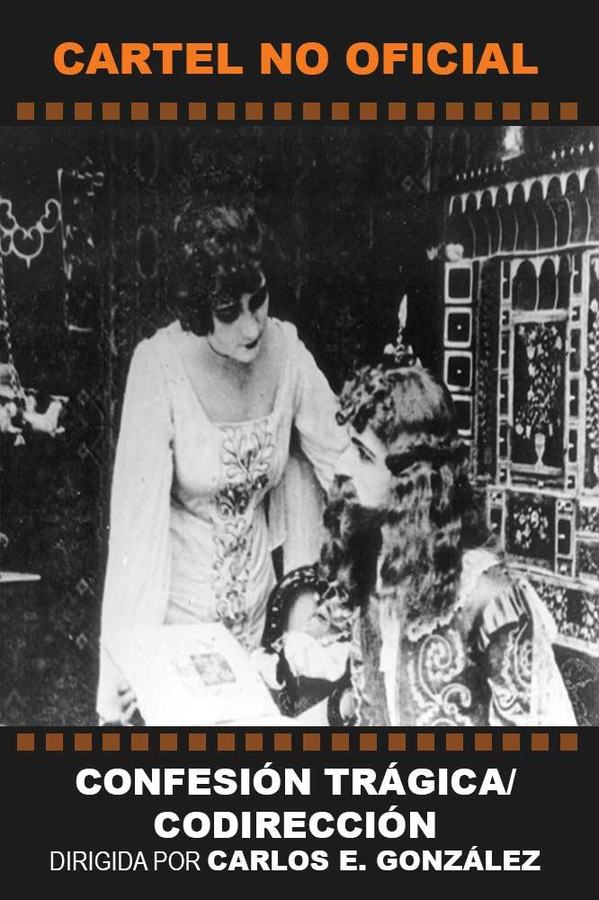
Tepeyac is less a story than a tremor: the kind that rattles the censer in a country chapel at 3 a.m. when no priest is watching. Directed by José Manuel Ramos and Carlos E. González in the apocalyptic spring of 1917, while Europe swallowed chlorine and Mexico drafted another constitution, the film slips between war bulletin and liturgical hallucination, stitching U-boat dread to Guadalupan lullaby with a needle made of pure celluloid faith.
The print—recently salvaged from a Guadalajara ware..."