
DbcultAccessing Vault...
Director's Spotlight
Senior Film Conservator
Director's Spotlight: United States
A Deep Dive into the 1921 Vision of Carlyle Ellis
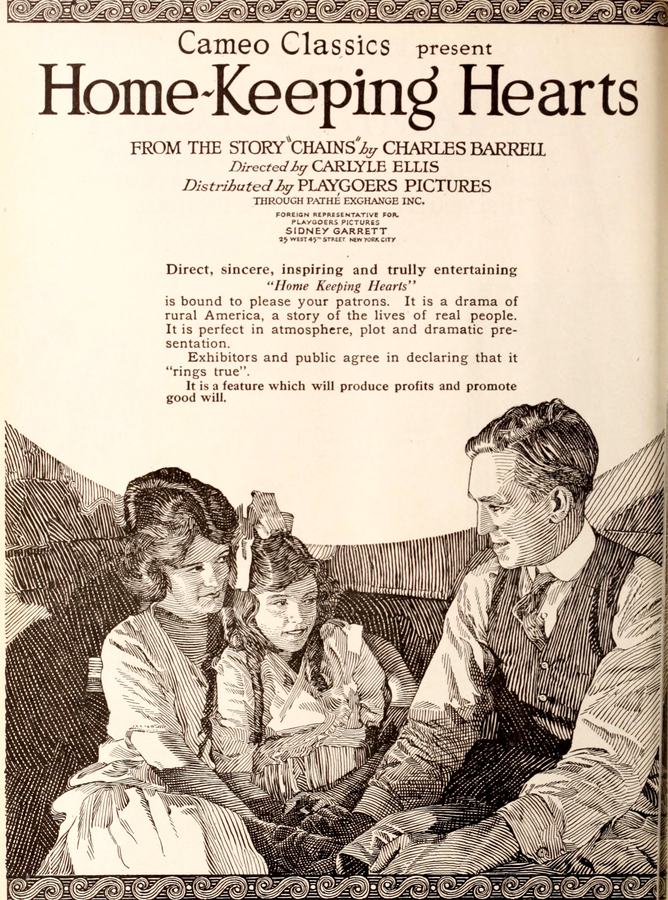
Under the meticulous guidance of Carlyle Ellis, Home-Keeping Hearts became the complex thematic architecture established by Carlyle Ellis. Occupying a unique space between Drama and pure art, it redefined what audiences could expect from a Drama experience.
In Home-Keeping Hearts, Carlyle Ellis pushes the boundaries of conventional narrative. The film's unique approach to its subject matter has sparked endless debates and interpretations among cinephiles and critics alike.
| Cinematography | Static |
| Soundtrack | Orchestral |
| Editing | Slow-Burn |
| Art Direction | Brutalist |
Visualizing the convergence of Carlyle Ellis's style and the core Drama narrative.
Diver Robert Colton is imprisoned for 10 years when found guilty, on circumstantial evidence, of causing the death of his employer; and his motherless daughter, Mary, is brought up by Squire Tead and his stern wife. When freed, Colton obtains work in Tead's creamery. There he discovers that Tead is bribing the cow inspector to condemn his best cattle so that a local plan for a cooperative creamery will be defeated. Colton discovers also that Tead is misappropriating school funds. In spite of Tead's threat to reveal his past, Colton defeats Tead in the local election by uncovering his dealings. When Colton saves Tead from drowning in a milk vat, the squire has a change of heart. Robert's name is cleared, and he is free to court and marry Laurel Stewart, the schoolmistress, thus giving a home to his daughter.
Decades after its release, Home-Keeping Hearts remains a vital piece of the cinematic puzzle. Its influence can be seen in countless modern works, solidifying Carlyle Ellis's status as a master of the craft in United States and beyond.