
DbcultAccessing Vault...
Director's Spotlight
Senior Film Conservator
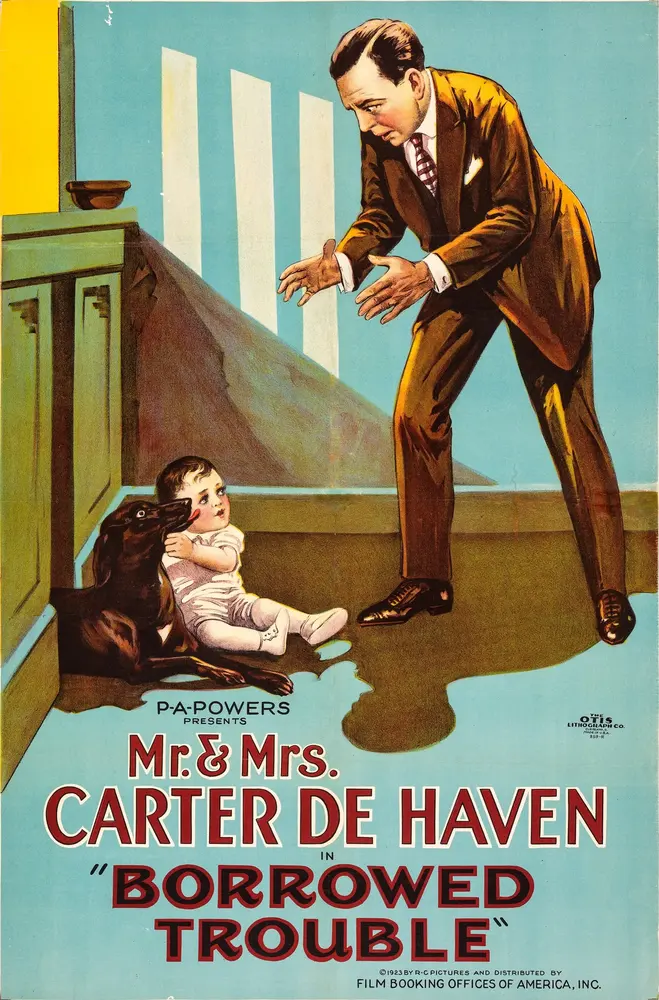
Director's Spotlight: United States
A Deep Dive into the 1923 Vision of Carter DeHaven
Few works in United States cinema carry the same weight as Borrowed Trouble, especially regarding the cultural zeitgeist captured so perfectly by Carter DeHaven in 1923. Utilizing a 1923-specific aesthetic that remains timeless, it serves as a blueprint for future generations of Short directors.
In Borrowed Trouble, Carter DeHaven pushes the boundaries of conventional narrative. The film's unique approach to its subject matter has sparked endless debates and interpretations among cinephiles and critics alike.
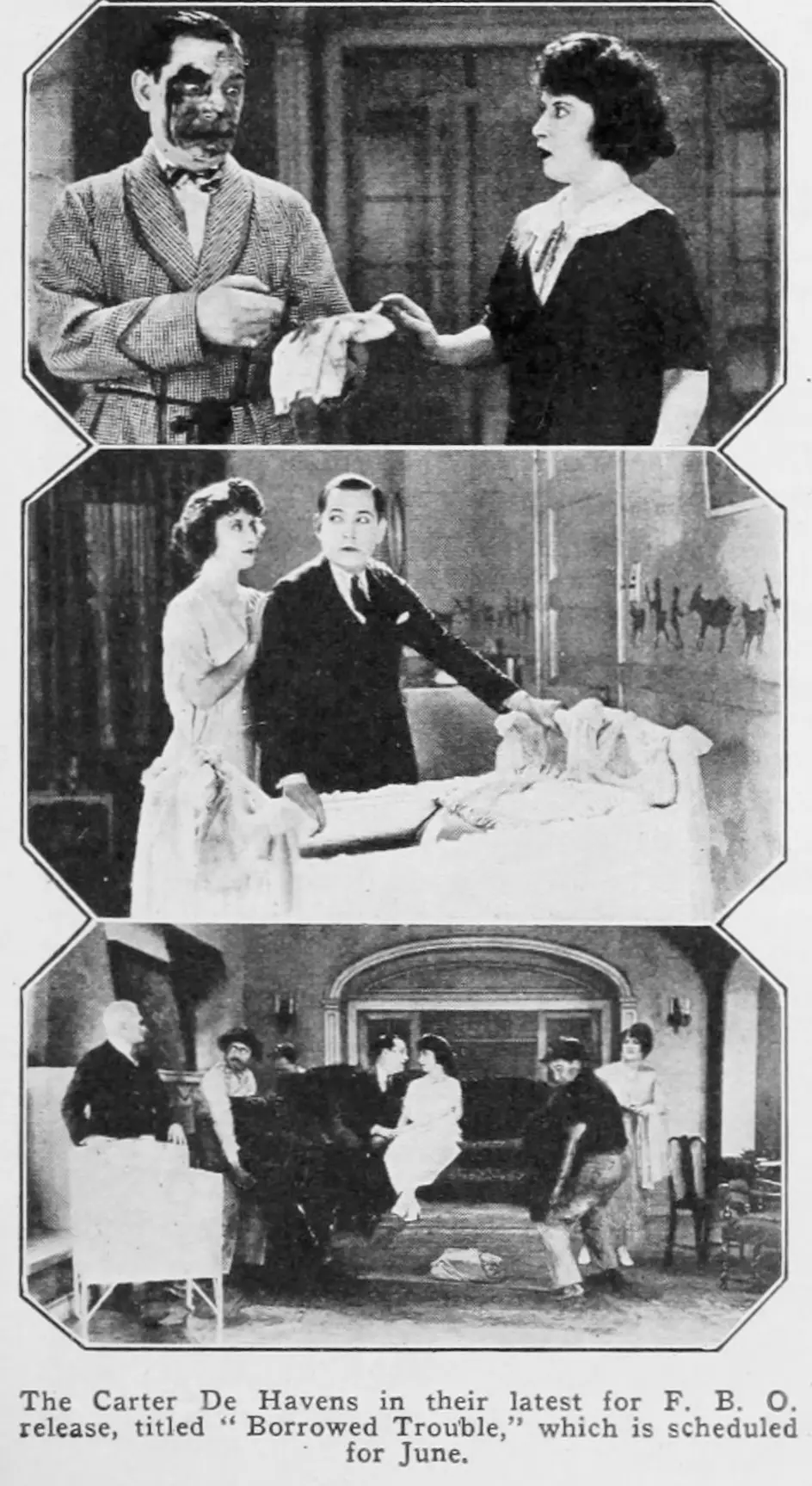
In this work, Carter DeHaven explores the intersection of Short and United States cultural identity. The meticulous attention to detail suggests a deep-seated commitment to pushing the boundaries of the medium, ensuring that Borrowed Trouble remains a relevant topic of study for Short enthusiasts.
| Cinematography | Noir-Inspired |
| Soundtrack | Synth-Heavy |
| Editing | Rhythmic |
| Art Direction | Naturalist |
Visualizing the convergence of Carter DeHaven's style and the core Short narrative.
A young married couple, after buying a wonderful house, haven't enough money to furnish it. The wife, however, writes her parents and describes the furnishings of the house next door as their own. The parents come to visit them and they take advantage of the fact that the electrical inventor who lives next door has gone away for the night leaving his baby and keys with them to pretend that the inventor's house is their own, with some amusing complications.
Decades after its release, Borrowed Trouble remains a vital piece of the cinematic puzzle. Its influence can be seen in countless modern works, solidifying Carter DeHaven's status as a master of the craft in United States and beyond.