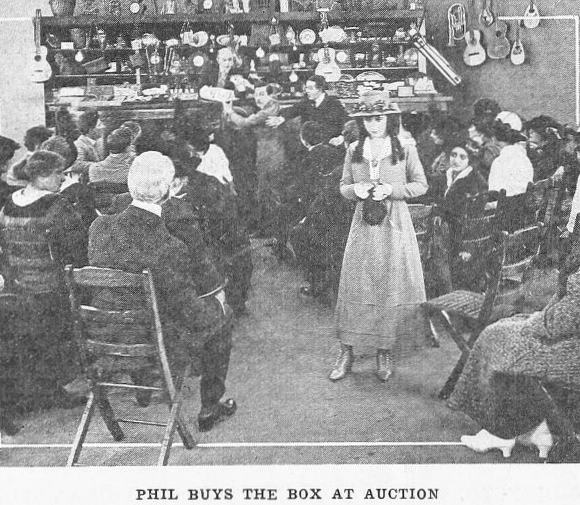
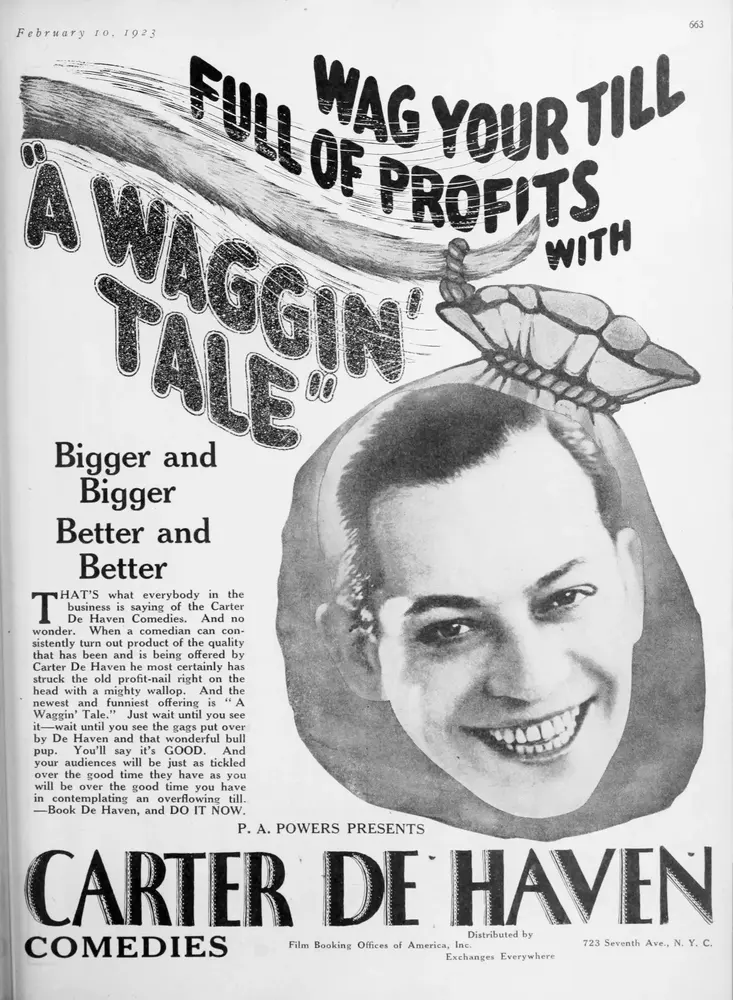
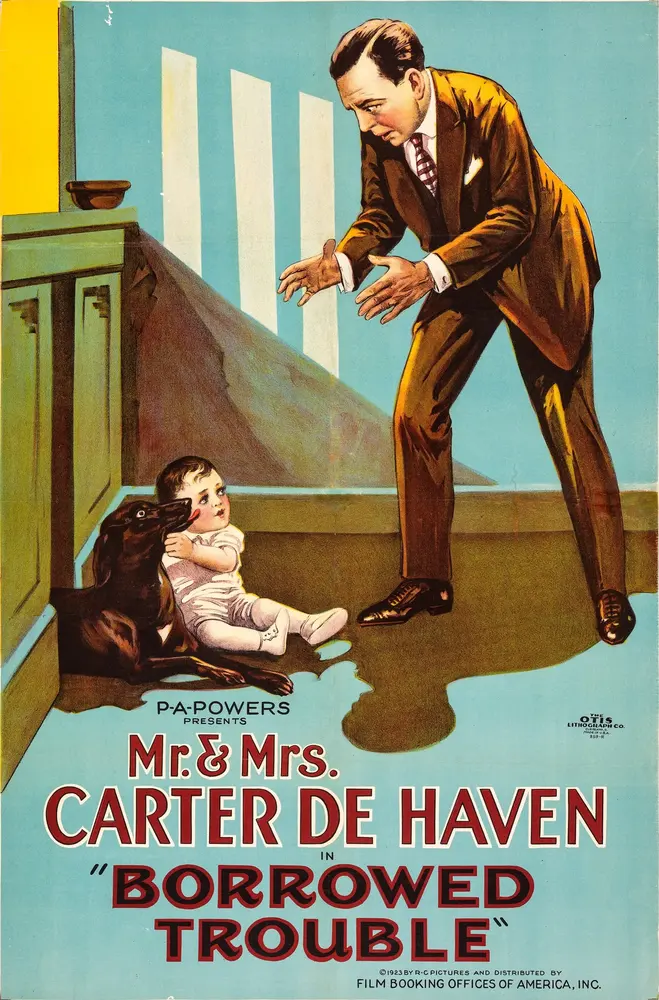
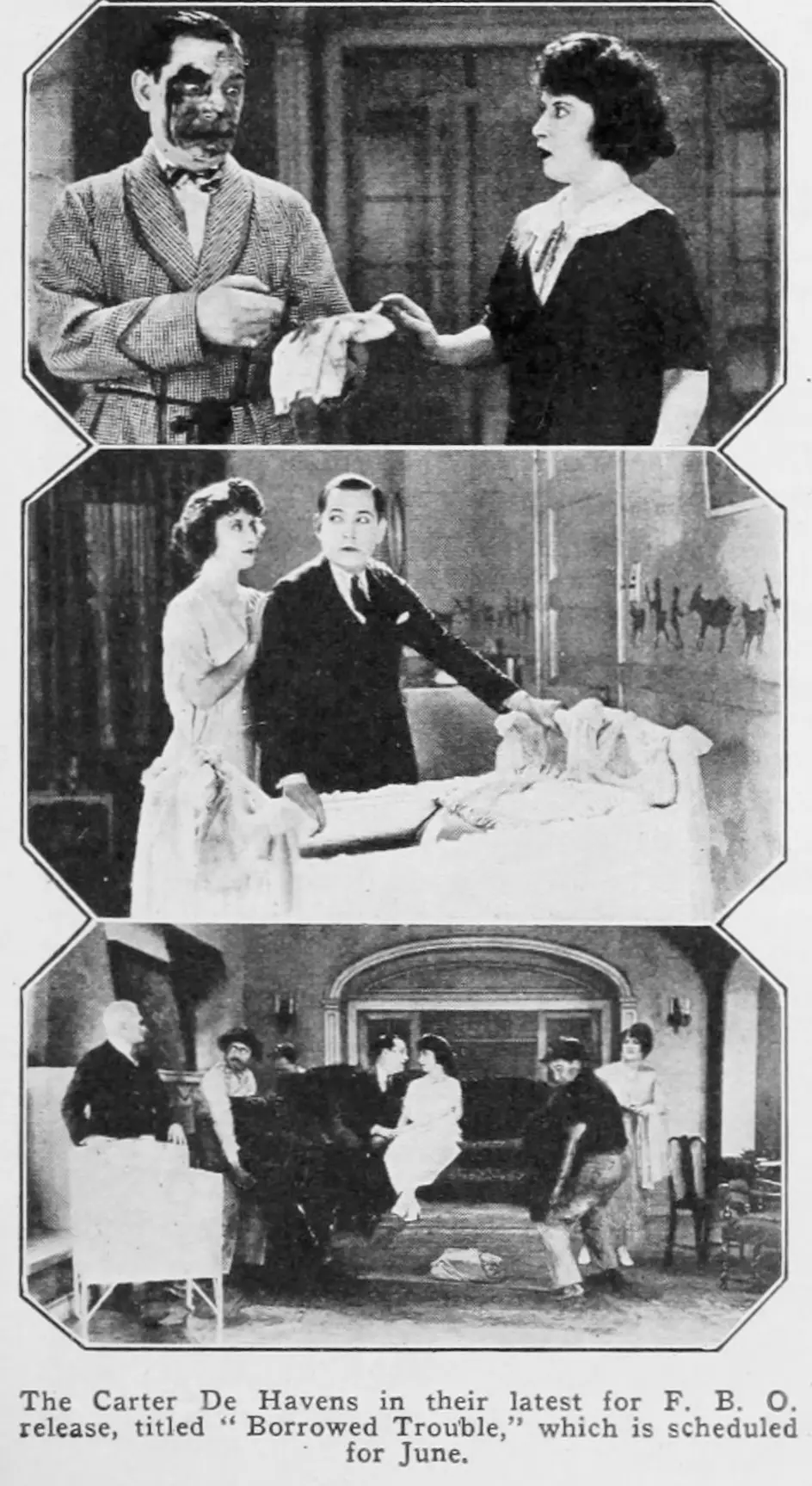
A young married couple, after buying a wonderful house, haven't enough money to furnish it. The wife, however, writes her parents and describes the furnishings of the house next door as their own.

United States
body{background-color:#000;color:#fff;font-family:Arial,Helvetica,sans-serif;line-height:1.6;margin:0;padding:20px;} From the moment the camera settles on the freshly painted façade of the DeHaven couple’s new domicile, a palpable tension crackles in the air—a tension that is less about structural integrity and more ab...
still_frame

Comparing the cinematic DNA and archive impact of two defining moments in cult history.
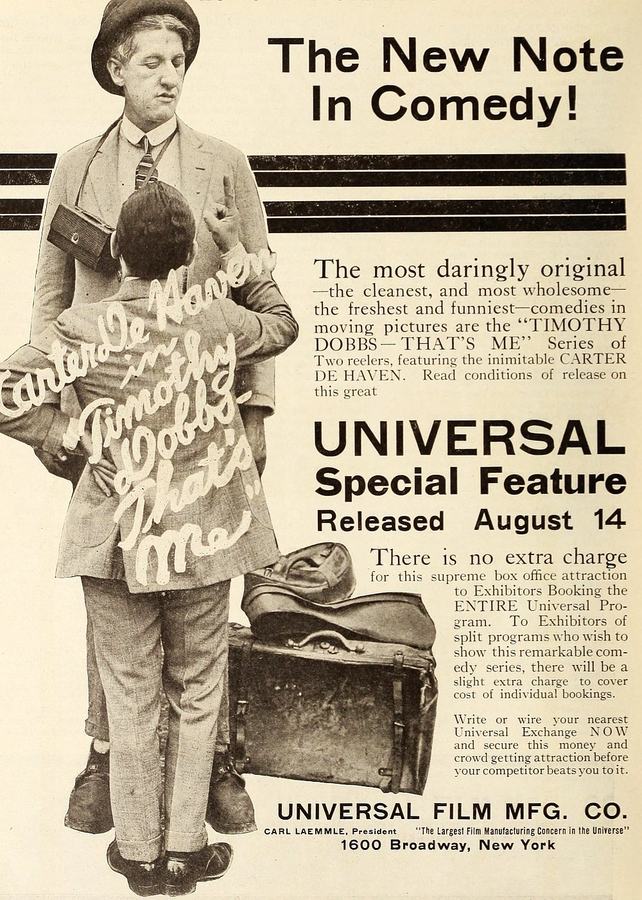
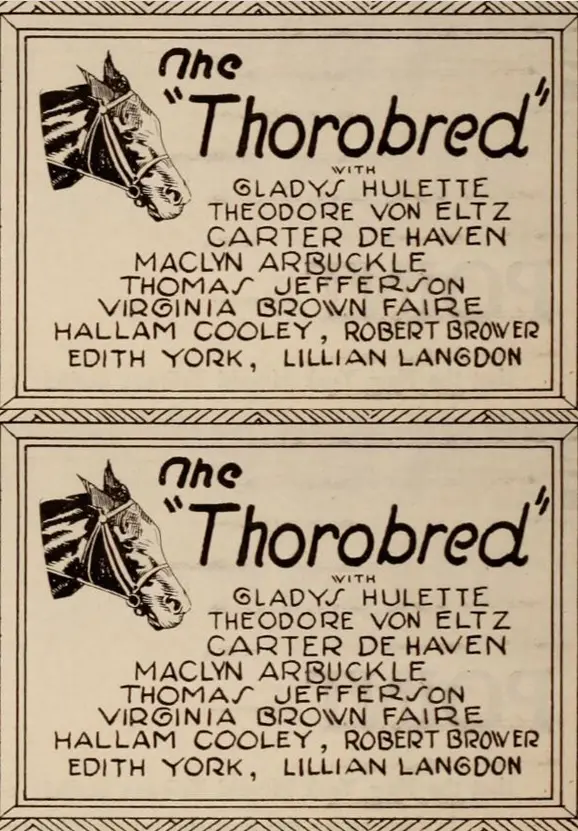
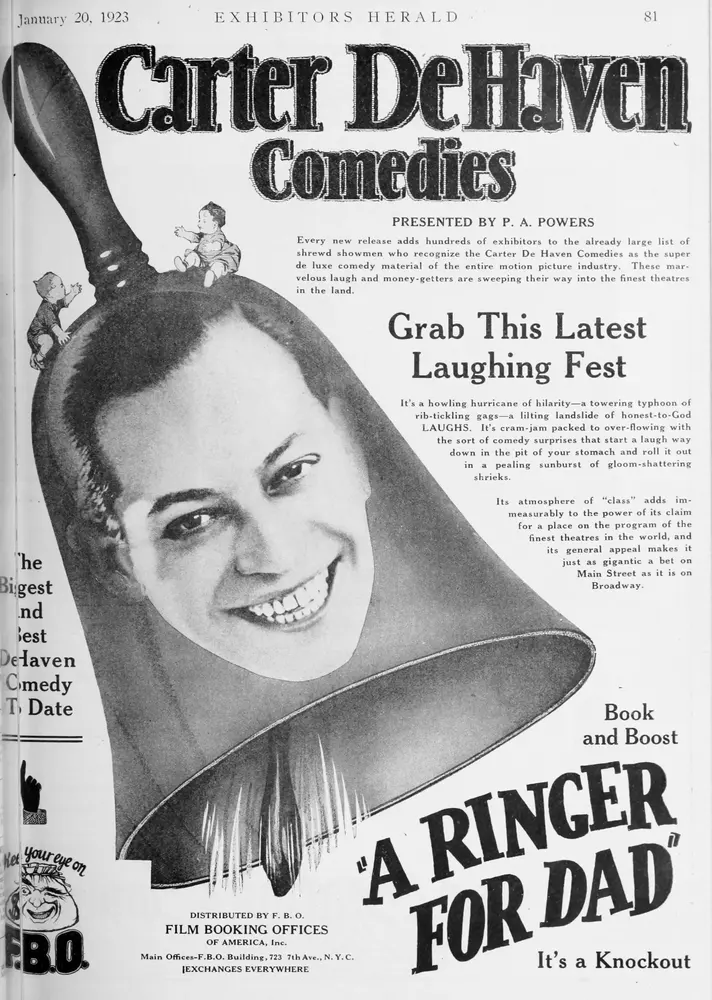
Carter DeHaven

Henry Edwards
Community
Log in to comment.
"body{background-color:#000;color:#fff;font-family:Arial,Helvetica,sans-serif;line-height:1.6;margin:0;padding:20px;} From the moment the camera settles on the freshly painted façade of the DeHaven couple’s new domicile, a palpable tension crackles in the air—a tension that is less about structural integrity and more about the yawning void of unfurnished rooms. The film’s opening tableau, rendered in crisp black‑and‑white, establishes a visual metaphor: a house brimming with potential yet barren ..."


Deep dive into the cult classic
Discover similar cinematic experiences
A Directorial Spotlight on Carter DeHaven