
DbcultAccessing Vault...
Director's Spotlight
Senior Film Conservator
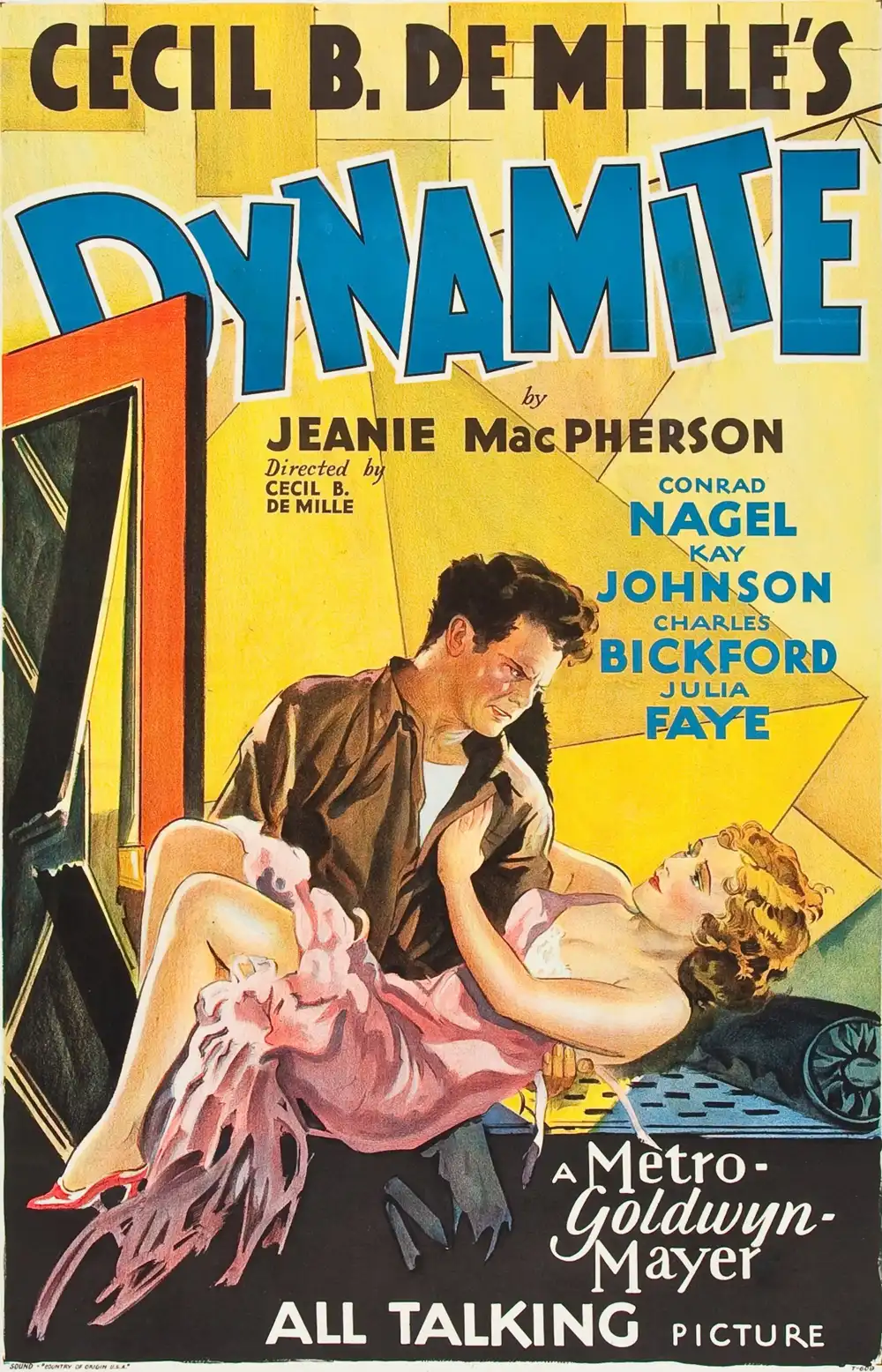
Director's Spotlight: United States
A Deep Dive into the 1929 Vision of Cecil B. DeMille
In the storied career of Cecil B. DeMille, Dynamite stands as a the provocative questions that Cecil B. DeMille poses to the United States audience. Elevating the source material through Cecil B. DeMille's unique vision, it persists as a haunting reminder of our own cinematic history.
In Dynamite, Cecil B. DeMille pushes the boundaries of conventional narrative. The film's unique approach to its subject matter has sparked endless debates and interpretations among cinephiles and critics alike.
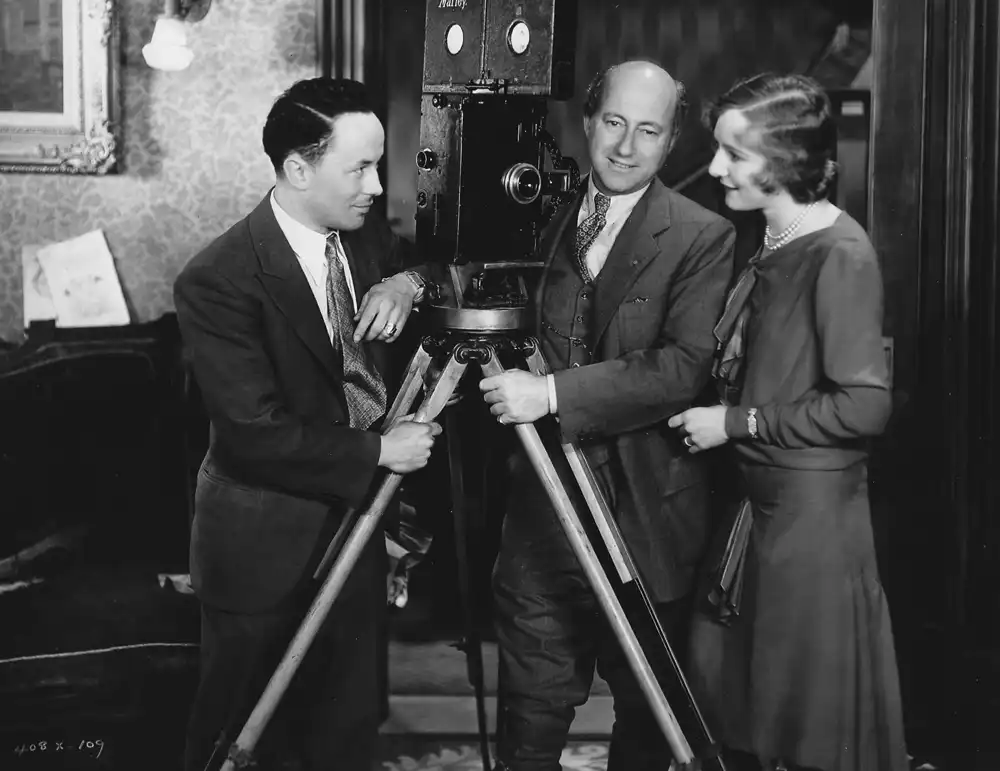
While deeply rooted in United States, Dynamite has achieved a global reach, influencing directors from various backgrounds. Its ability to translate Comedy tropes into a universal cinematic language is why it remains a cult staple decades after its 1929 release.
| Cinematography | High-Contrast |
| Soundtrack | Synth-Heavy |
| Editing | Disjunctive |
| Art Direction | Baroque |
Visualizing the convergence of Cecil B. DeMille's style and the core Comedy narrative.
Wealthy Cynthia is in love with not-so-wealthy Roger, who is married to Marcia. The threesome is terribly modern about the situation, and Marcia will gladly divorce Roger if Cynthia agrees to a financial settlement. But Cynthia's wealth is in jeopardy because her trust fund will expire if she is not married by a certain date. To satisfy that condition, Cynthia arranges to marry Hagon Derk, who is condemned to die for a crime he didn't commit. She pays him so he can provide for his little sister. But at the last minute, Derk is freed when the true criminal is discovered. Expecting to be a rich widow, Cynthia finds herself married to a man she doesn't know--and doesn't want to know.
Decades after its release, Dynamite remains a vital piece of the cinematic puzzle. Its influence can be seen in countless modern works, solidifying Cecil B. DeMille's status as a master of the craft in United States and beyond.