
DbcultAccessing Vault...
Director's Spotlight
Senior Film Conservator
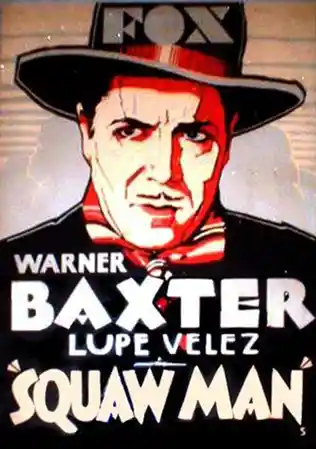
Director's Spotlight: United States
A Deep Dive into the 1931 Vision of Cecil B. DeMille
Few works in United States cinema carry the same weight as The Squaw Man, especially regarding the cultural zeitgeist captured so perfectly by Cecil B. DeMille in 1931. Utilizing a 1931-specific aesthetic that remains timeless, it serves as a blueprint for future generations of Drama directors.
In The Squaw Man, Cecil B. DeMille pushes the boundaries of conventional narrative. The film's unique approach to its subject matter has sparked endless debates and interpretations among cinephiles and critics alike.
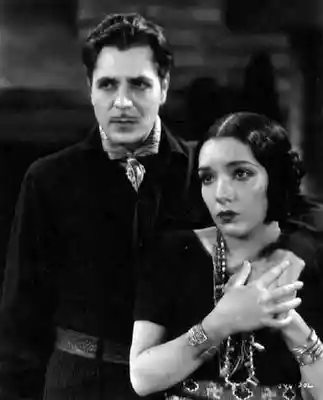
The visual language of The Squaw Man is defined by its use of shadows and framing, a hallmark of Cecil B. DeMille's style. By utilizing a 1931-era palette, the film creates an immersive experience that perfectly complements its Drama themes.
| Cinematography | Noir-Inspired |
| Soundtrack | Orchestral |
| Editing | Invisible |
| Art Direction | Kitsch |
Visualizing the convergence of Cecil B. DeMille's style and the core Drama narrative.
Henry, Earl of Kerhill has inherited his family's title and wealth while his cousin James Wingate is forced to survive as a relatively low-ranking military officer. Wingate is in love with Henry's wife Lady Diana Kerhill, but his love is unfulfilled despite a mutual affection between them. When Henry embezzles the regiment's charitable fund, Wingate takes the blame in order to protect his family's name and to avoid implicating Lady Diana in the scandal. Wingate migrates to the United States and takes over the ownership of a a ranch in Montana. Wingate starts a feud with the local bootlegger Cash Hawkins over a land dispute, and he also has to face a corrupt sheriff working for Hawkins. The Native American woman Naturich (who is in love with Wingate) saves Wingate's life twice and personally kills Hawkins. Wingate marries Naturich and has a son with her. A few years later, Henry is mortally wounded in a hunting accident. He clears Wingate's name with a deathbed confession of his old crime. Lady Diana and her friend Sir John Applegate track down Wingate to Montana and inform him that he can safely return to the United Kingdom. Wingate decides to send his son to England, where he can attend the finest schools and eventually inherit the earldom. Naturich is miserable that her son is taken from her against her wishes, and shortly after learns that the sheriff finally has enough evidence to arrest her for Hawkins' murder. She commits suicide while holding a hand-crafted wooden horse which she had created for her beloved son. The story ends with Wingate holding his wife's body in her final moments.
Decades after its release, The Squaw Man remains a vital piece of the cinematic puzzle. Its influence can be seen in countless modern works, solidifying Cecil B. DeMille's status as a master of the craft in United States and beyond.