
DbcultAccessing Vault...
Director's Spotlight
Senior Film Conservator
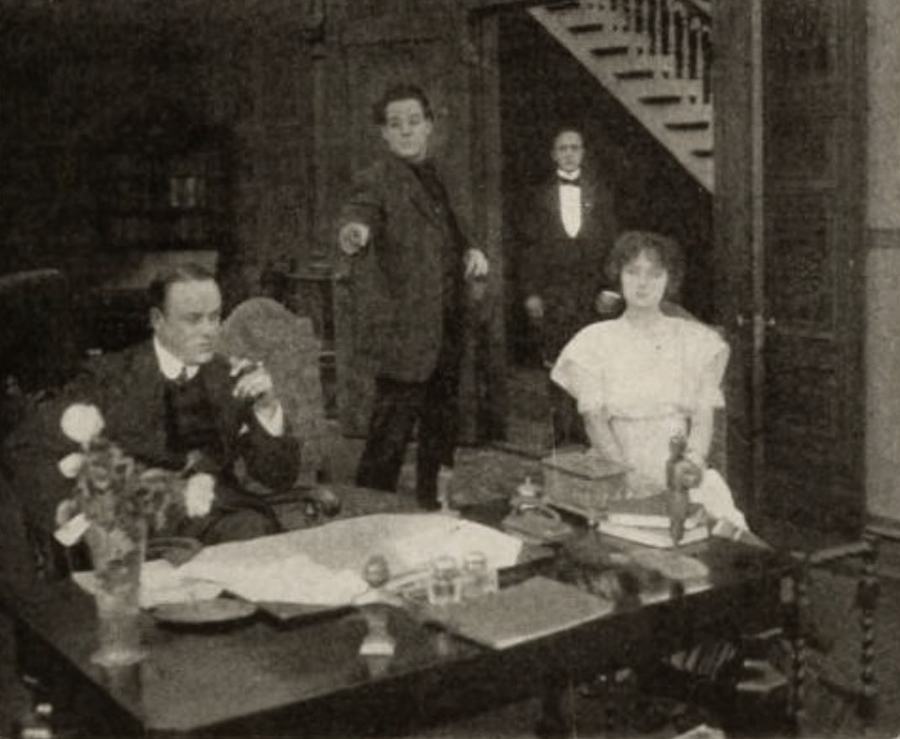
Director's Spotlight: United States
A Deep Dive into the 1916 Vision of Charles Bartlett
The brilliance of The Bruiser (1916) is inseparable from the visionary mind of its creator, Charles Bartlett. Serving as a mirror to the anxieties of a changing world, it persists as a haunting reminder of our own cinematic history.
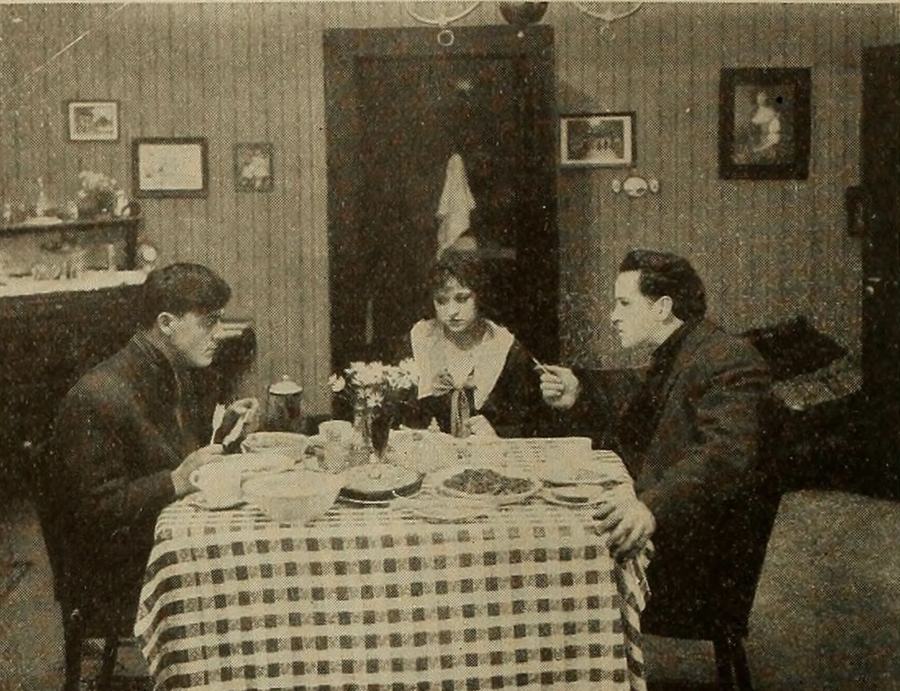
In The Bruiser, Charles Bartlett pushes the boundaries of conventional narrative. The film's unique approach to its subject matter has sparked endless debates and interpretations among cinephiles and critics alike.
| Cinematography | Deep Focus |
| Soundtrack | Minimalist |
| Editing | Disjunctive |
| Art Direction | Baroque |
Visualizing the convergence of Charles Bartlett's style and the core cult narrative.
Bill Brawley, a longshoreman represents the dockworkers in contract talks with their unscrupulous boss, Manson Kenwick, who tells his own sister, Norma, to take Bill's mind off negotiations. Meanwhile, the workers prepare for the waterfront boxing championships. They urge Bill to participate, but when he refuses because he promised Norma that he would not fight, they believe that he has sold out to management. Even Bill's sweetheart, Fen, now afraid of losing him to Norma, cannot convince him to box. On fight night, Bill attends a party at Kenwick's. He learns that Kenwick has persuaded the men to sign a pro-management agreement and also that the fighter for the Kenwick shipyard is injured. Bill rushes to the ring, wins the fight, forces Kenwick into a fairer agreement and tells Fen that he never stopped loving her.
Decades after its release, The Bruiser remains a vital piece of the cinematic puzzle. Its influence can be seen in countless modern works, solidifying Charles Bartlett's status as a master of the craft in United States and beyond.