
DbcultAccessing Vault...
Director's Spotlight
Senior Film Conservator
Director's Spotlight: United States
A Deep Dive into the 1918 Vision of Charles Brabin
The artistic breakthrough represented by His Bonded Wife in 1918 highlights the philosophical inquiries that Charles Brabin embeds within the narrative. Framed by the hauntingly beautiful landscapes of the production, it leaves an indelible mark on the soul of the viewer.

In His Bonded Wife, Charles Brabin pushes the boundaries of conventional narrative. The film's unique approach to its subject matter has sparked endless debates and interpretations among cinephiles and critics alike.
| Cinematography | High-Contrast |
| Soundtrack | Minimalist |
| Editing | Disjunctive |
| Art Direction | Baroque |
Visualizing the convergence of Charles Brabin's style and the core cult narrative.
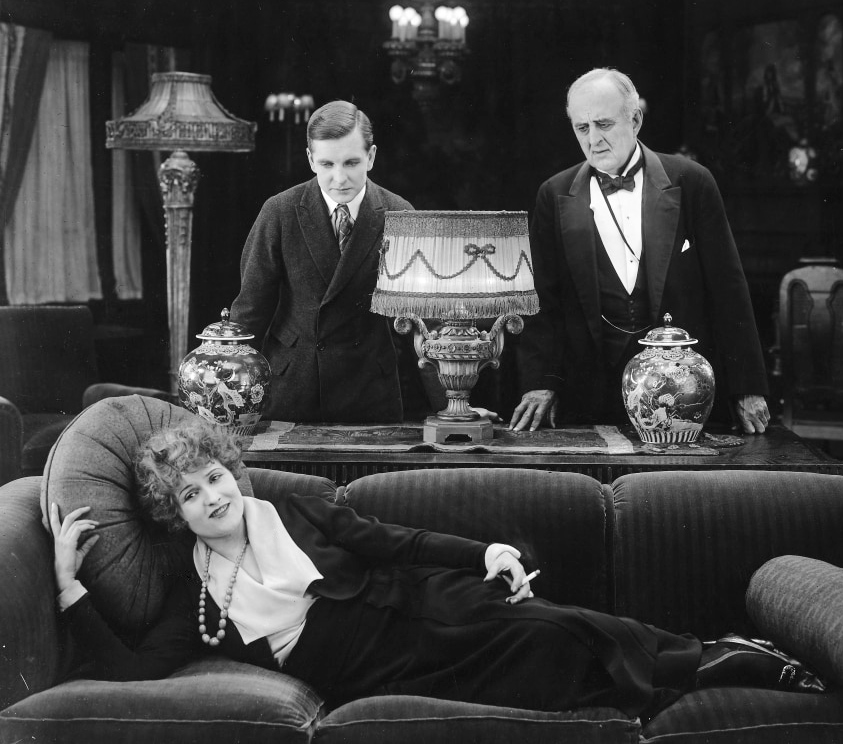
Doris Morse, the daughter of wealthy copper magnate Digby Morse, is eager to escape the unwelcome attentions of the many fortune hunters who pursue her, so she steals away to Atlantic City for a vacation. There she falls in love with Philip Hazard, an earnest and hard working young man, but because his income is so meager, she poses as a Macy's counter girl to avoid wounding his pride. When, by accident, he finally learns of her wealth, the two quarrel. In order to save the romance, her father pretends to disown her, but at the wedding, he secretly gives her a large sum of money in bonds. Doris soon wearies of her modest home and begins to spend the money on furniture and servants, which so piques her husband that he decides to steal the bonds from her safe. Doris is awakened by the noise and fires a shot, wounding Philip. The shock of injuring her husband brings Doris to her senses, and she agrees to live solely on his income.
Decades after its release, His Bonded Wife remains a vital piece of the cinematic puzzle. Its influence can be seen in countless modern works, solidifying Charles Brabin's status as a master of the craft in United States and beyond.