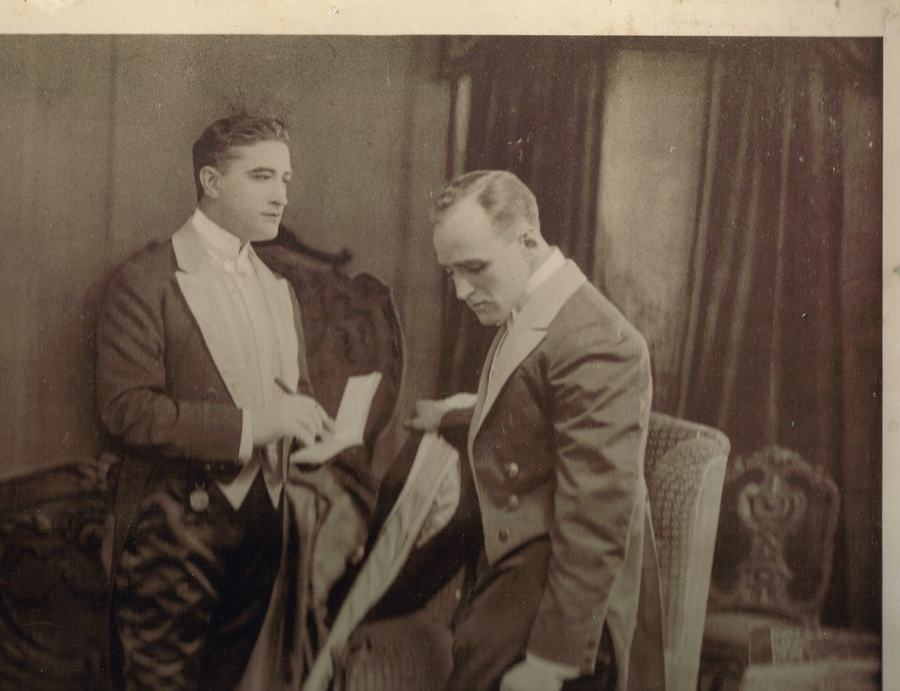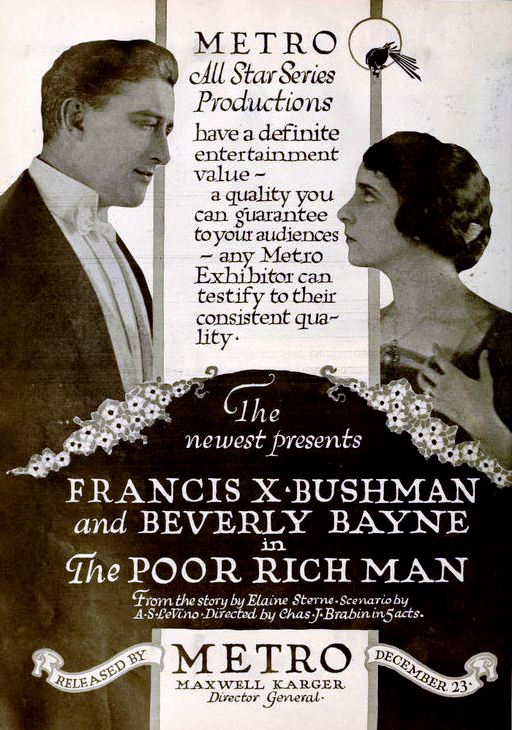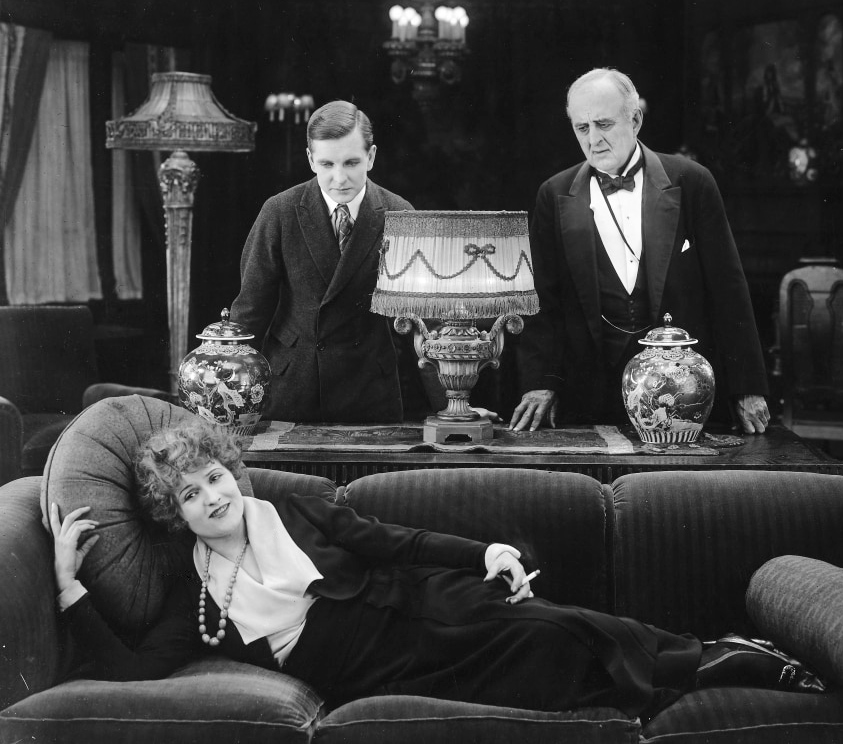
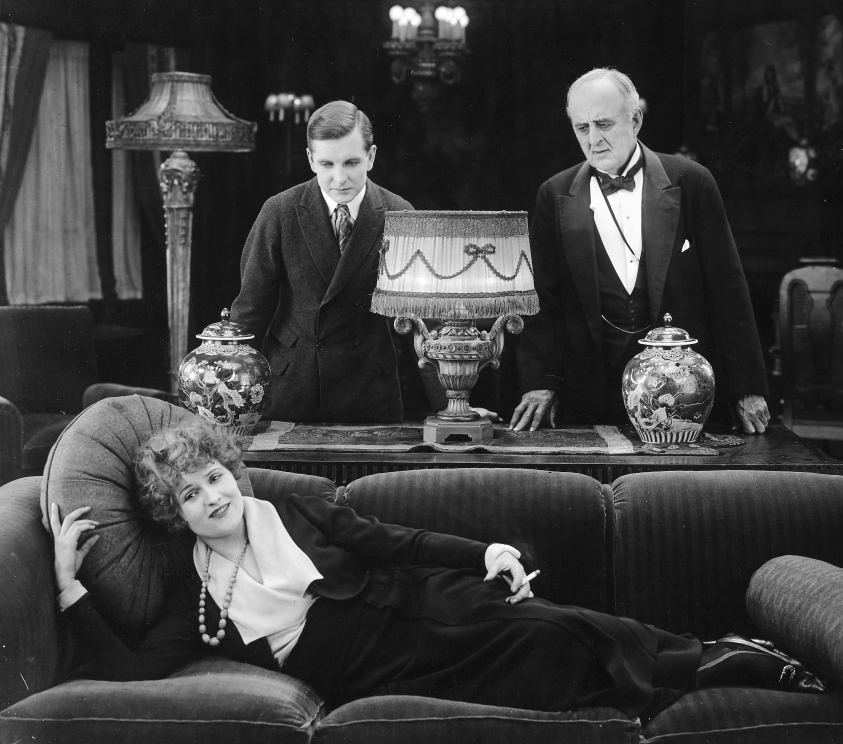
Doris Morse, the daughter of wealthy copper magnate Digby Morse, is eager to escape the unwelcome attentions of the many fortune hunters who pursue her, so she steals away to Atlantic City for a vacation. There she falls in love with Philip Hazard, an earnest and hard working young man, but because his income is so meager, she poses as a Macy's counter girl to avoid wounding his pride.
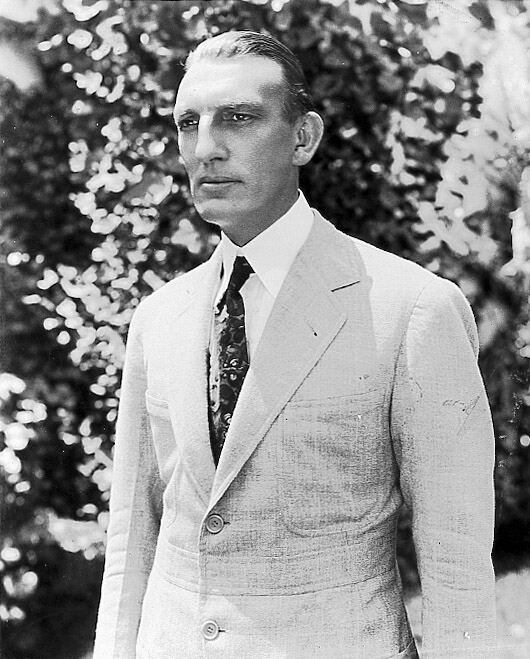
June Mathis, Lois Zellner, Arthur J. Zellner
United States
In an era where Hollywood often fixated on grandiose spectacles, His Bonded Wife (1925) chooses intimacy over bombast, crafting a tale of quiet emotional upheaval set against the glittering backdrop of early 20th-century urban life. Directed with a deft touch by a team of uncredited craftsmen, the film’s strength lies ...

publicity

still_frame
still_frame
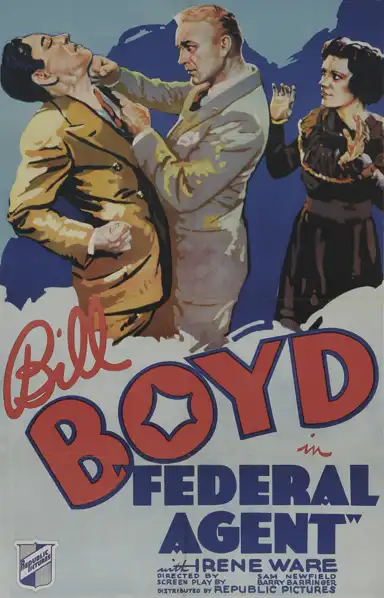

Comparing the cinematic DNA and archive impact of two defining moments in cult history.
Charles Brabin
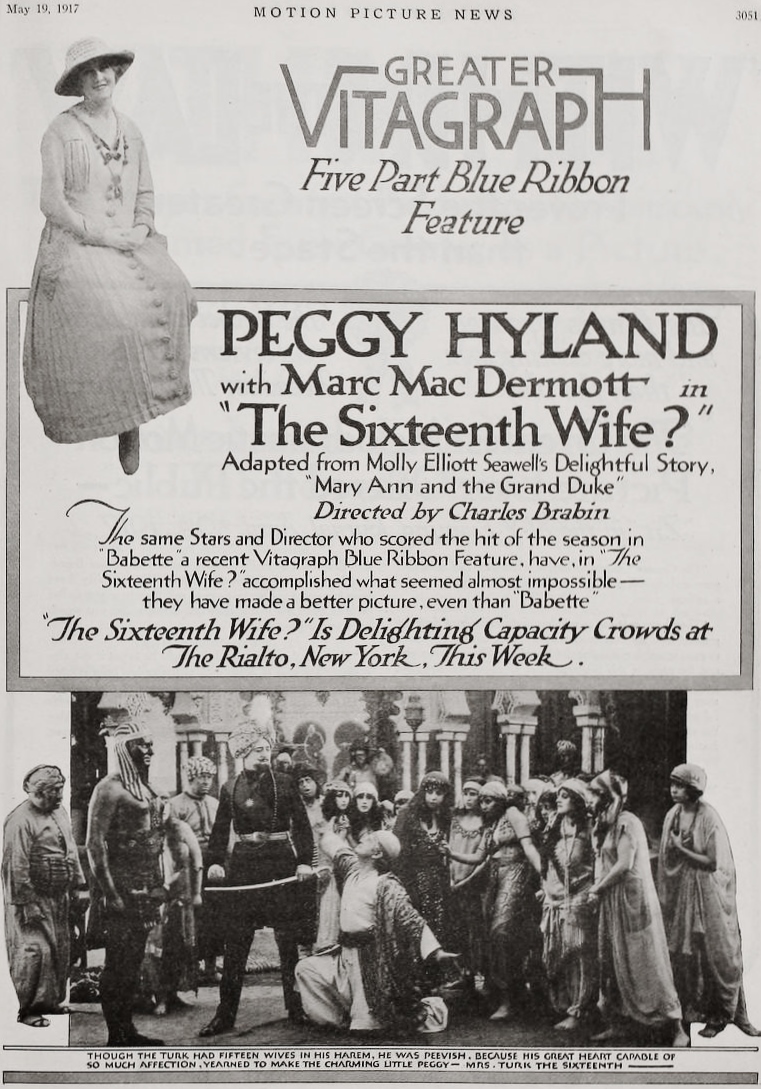
Charles Brabin
Community
Log in to comment.
"In an era where Hollywood often fixated on grandiose spectacles, His Bonded Wife (1925) chooses intimacy over bombast, crafting a tale of quiet emotional upheaval set against the glittering backdrop of early 20th-century urban life. Directed with a deft touch by a team of uncredited craftsmen, the film’s strength lies in its ability to evoke pathos through understatement, a quality that feels both radical and strangely modern.At its heart is Doris Morse, portrayed with luminous vulnerability by ..."

Deep dive into the cult classic
Discover similar cinematic experiences
A Directorial Spotlight on Charles Brabin