
DbcultAccessing Vault...
Director's Spotlight
Senior Film Conservator
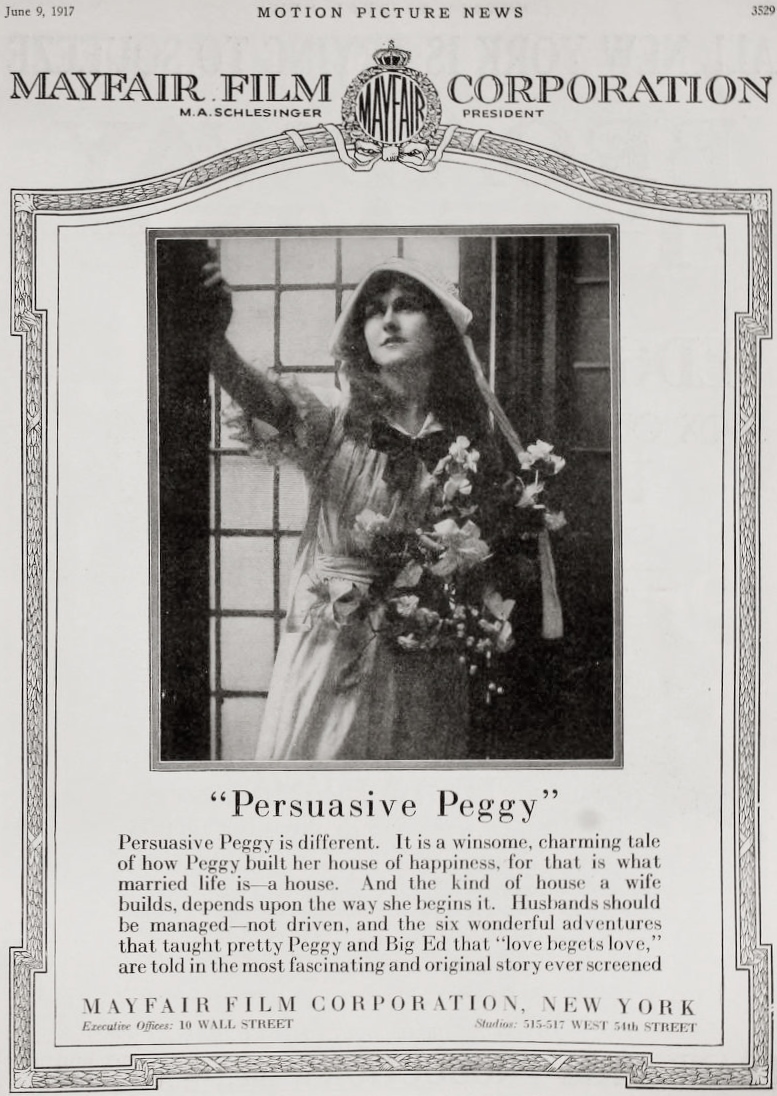
Director's Spotlight: United States
A Deep Dive into the 1917 Vision of Charles Brabin
The brilliance of Persuasive Peggy (1917) is inseparable from the visionary mind of its creator, Charles Brabin. Serving as a mirror to the anxieties of a changing world, it persists as a haunting reminder of our own cinematic history.
In Persuasive Peggy, Charles Brabin pushes the boundaries of conventional narrative. The film's unique approach to its subject matter has sparked endless debates and interpretations among cinephiles and critics alike.
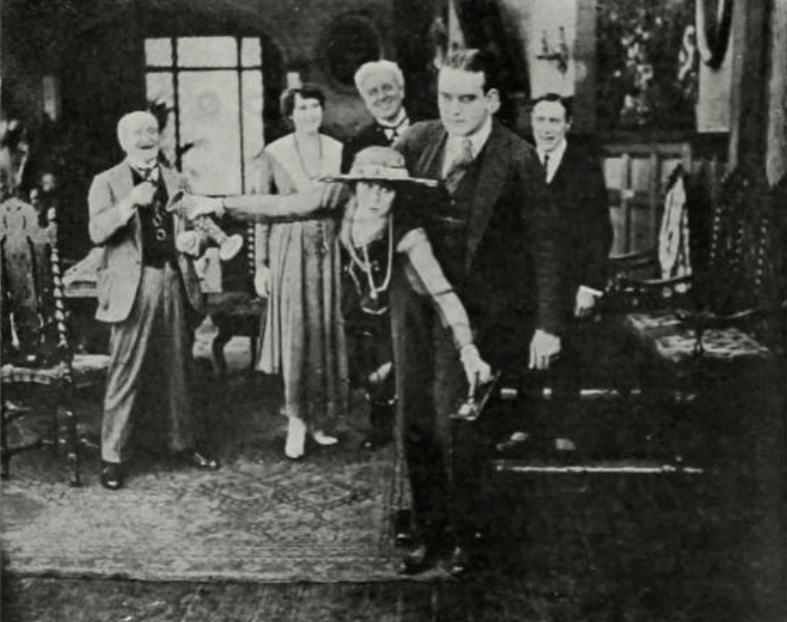
In this work, Charles Brabin explores the intersection of cult and United States cultural identity. The meticulous attention to detail suggests a deep-seated commitment to pushing the boundaries of the medium, ensuring that Persuasive Peggy remains a relevant topic of study for cult enthusiasts.
| Cinematography | Handheld |
| Soundtrack | Experimental |
| Editing | Invisible |
| Art Direction | Kitsch |
Visualizing the convergence of Charles Brabin's style and the core cult narrative.
Informed by her husband Ed that they will not be honeymooning at Niagara Falls as promised, but rather at the County Fair, newlywed Peggy decides it is time to assert her independence and steals away to the falls alone, leaving her bewildered husband to follow. After the honeymoon, Ed takes his bride to the home that had been his mother's, and Peggy redecorates the entire house in her husband's absence. Gradually, Ed learns to submit to his wife's modern attitudes until he discovers that her continual visits to the city have not been to the dentist's, as she had said, but to the studio of portrait painter Perry Pipp. Ed angrily confronts Peggy with her deception, forcing her to return home to her parent's house. Later, when Ed learns that Peggy has been posing for a portrait as a birthday surprise, he begs his wife's forgiveness, which she bestows, along with the information that a baby is on it's way.
Decades after its release, Persuasive Peggy remains a vital piece of the cinematic puzzle. Its influence can be seen in countless modern works, solidifying Charles Brabin's status as a master of the craft in United States and beyond.