
DbcultAccessing Vault...
Director's Spotlight
Senior Film Conservator
Director's Spotlight: United States
A Deep Dive into the 1916 Vision of Charles Brabin
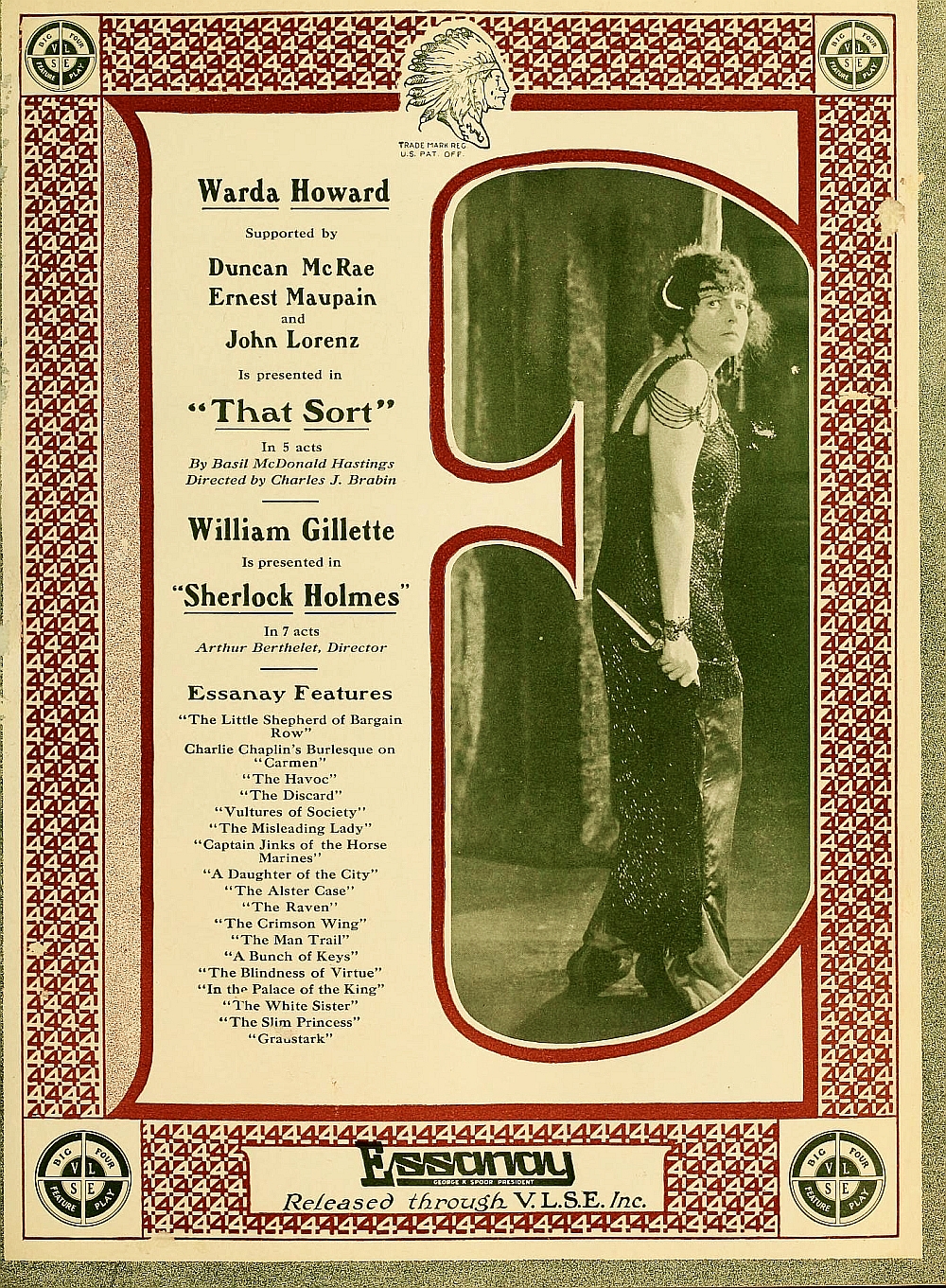
Peeling back the layers of Charles Brabin's That Sort exposes the technical innovation that Charles Brabin introduced to the cult format. Driven by an uncompromising commitment to cult excellence, it stands as the definitive 1916 statement on cult identity.
In That Sort, Charles Brabin pushes the boundaries of conventional narrative. The film's unique approach to its subject matter has sparked endless debates and interpretations among cinephiles and critics alike.
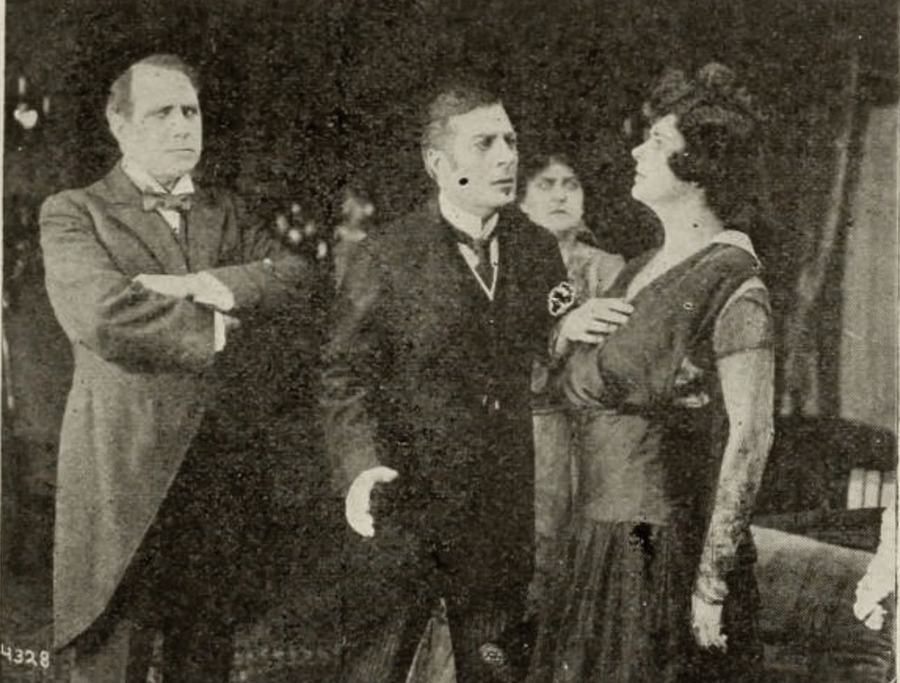
To fully appreciate That Sort, one must consider the cinematic climate of 1916. During this period, United States was undergoing significant artistic shifts, and Charles Brabin was at the forefront of this cult movement, often challenging established norms.
| Cinematography | Static |
| Soundtrack | Diegetic |
| Editing | Rhythmic |
| Art Direction | Naturalist |
Visualizing the convergence of Charles Brabin's style and the core cult narrative.
John Heppell, a wealthy young man about town, falls in love with Diana Laska, a noted actress, and marries her. After their child is born he tires of her and goes back to his old way of living. Infuriated at his neglect, Diana leaves him and goes abroad with Philip Goodier. He also tires of her in time, and she becomes a notorious character on the continent. Finally she awakens to the evil of her life and tries to reform. She finds her path strewn with thorns as the world holds her for what she has been. A longing is kindled in her heart for her daughter. Her first husband has remarried and refuses to permit her to see her. Sick of life, she attempts suicide. She is attended by Doctor Maxwell. He instills hope into her by promising to aid her in her attempt to see her daughter. Maxwell is an old friend of Heppell and partly by persuasion and partly by threats Diana Laska is received into the Heppell home as the governess for Heppell's son by his second wife. She meets her daughter only to find that she is engaged to Philip Goodier, the man who had cast her off. Horrified, she tells the Heppells her daughter must not marry him. Goodier denounces Diana, while admitting his relations with her, but cannot understand why she should have an influence over the Heppells. Finally, Diana tells him that the girl to whom he is engaged is her daughter. He consents to break the engagement only on condition that she leave the house and never see her daughter again. The woman who has developed under Doctor Maxwell's influence, then makes the supreme sacrifice of giving up her daughter to save her from her own shame. And through this sacrifice she wins atonement for her sins.
Decades after its release, That Sort remains a vital piece of the cinematic puzzle. Its influence can be seen in countless modern works, solidifying Charles Brabin's status as a master of the craft in United States and beyond.