
DbcultAccessing Vault...
Director's Spotlight
Senior Film Conservator
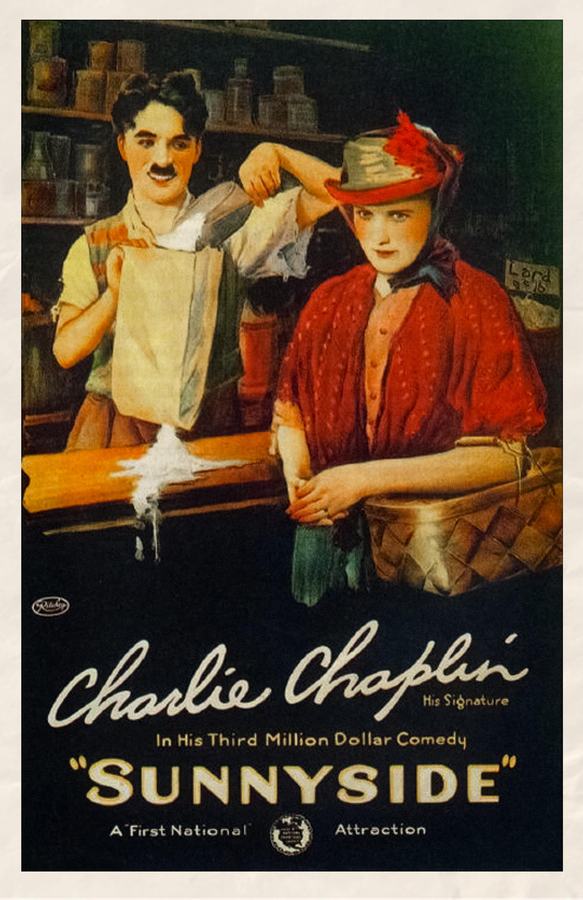
Director's Spotlight: United States
A Deep Dive into the 1919 Vision of Charles Chaplin
In the grand tapestry of cult cinema, Sunnyside serves as a bridge between the bold experimentation that has become synonymous with Charles Chaplin. Breaking the traditional rules of cult engagement, it highlights the importance of independent voices in United States.
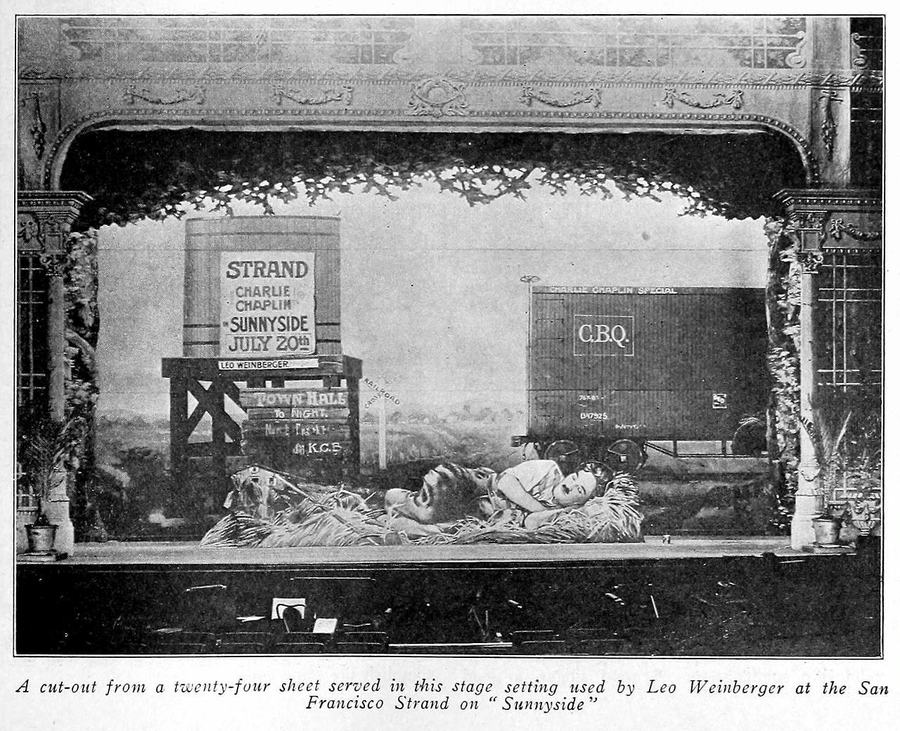
In Sunnyside, Charles Chaplin pushes the boundaries of conventional narrative. The film's unique approach to its subject matter has sparked endless debates and interpretations among cinephiles and critics alike.
| Cinematography | High-Contrast |
| Soundtrack | Experimental |
| Editing | Elliptical |
| Art Direction | Expressionist |
Visualizing the convergence of Charles Chaplin's style and the core cult narrative.
Charlie works on a farm from 4am to late at night. He gets his food on the run (milking a cow into his coffee, holding an chicken over the frying pan to get fried eggs). He loves the neighbor's daughter Edna but is disliked by her father. He rides a cow into a stream and is kicked off. Unconscious, he dreams of a nymph dance. Back in reality a city slicker is hurt in a car crash and is being cared for by Edna. When Charlie is rejected after attempting to imitate the slicker, the result is ambiguous--either tragic or a happy ending. Critics have long argued as to whether the final scene is real or a dream.
Decades after its release, Sunnyside remains a vital piece of the cinematic puzzle. Its influence can be seen in countless modern works, solidifying Charles Chaplin's status as a master of the craft in United States and beyond.