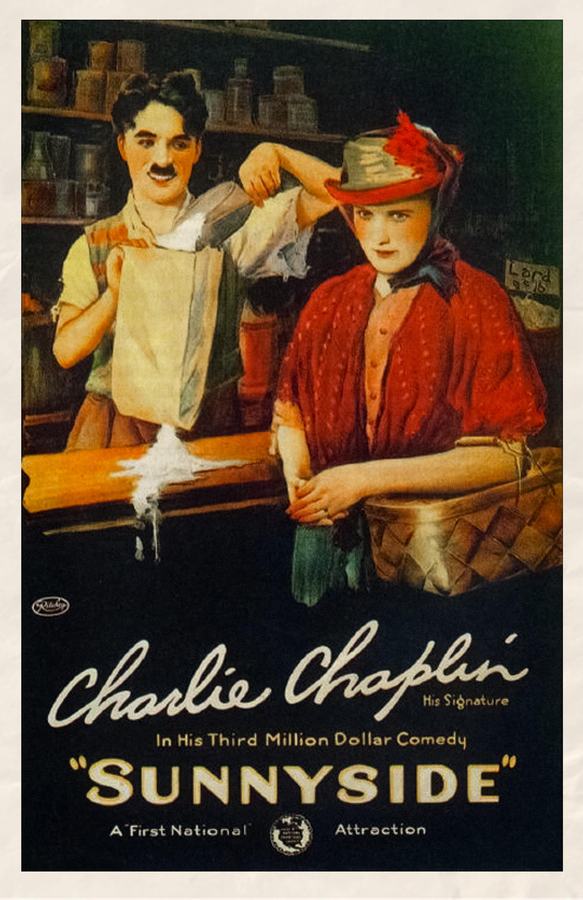
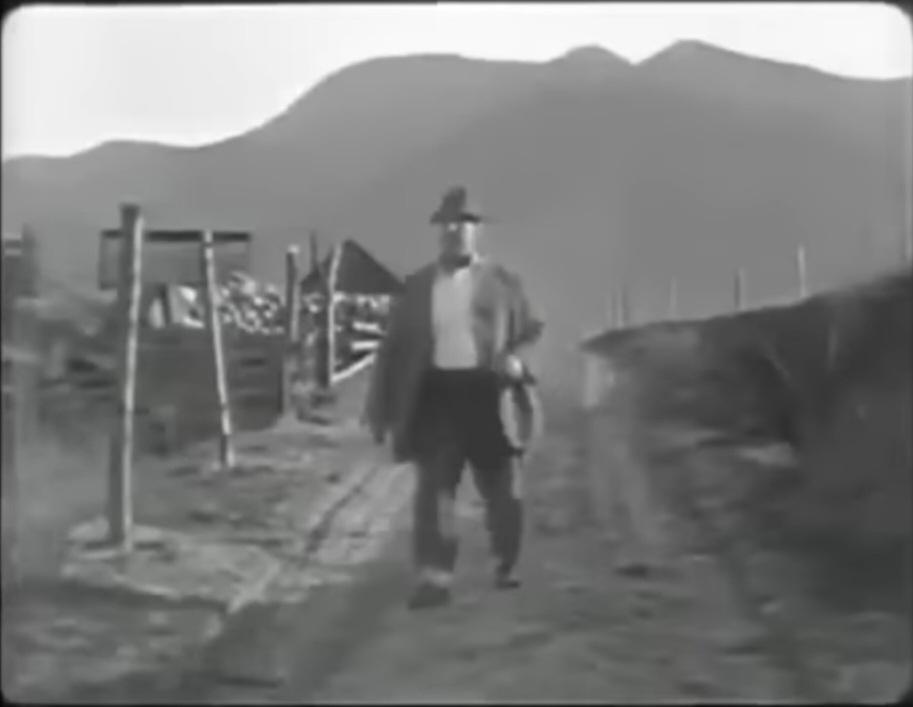
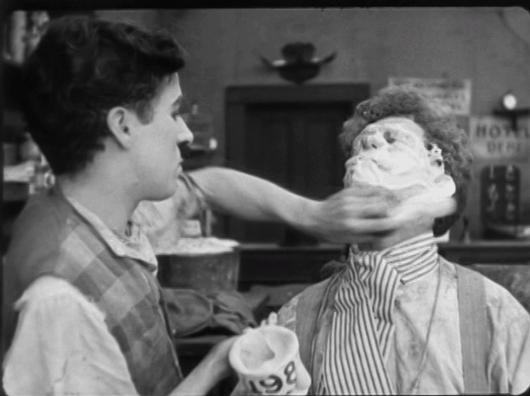
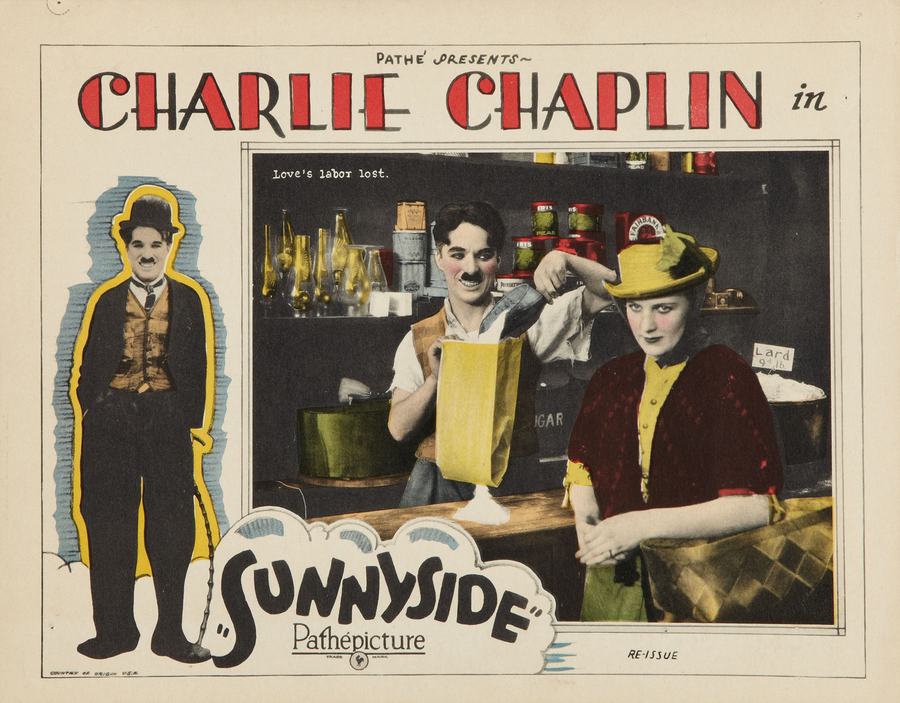
Charlie works on a farm from 4am to late at night. He gets his food on the run (milking a cow into his coffee, holding an chicken over the frying pan to get fried eggs).
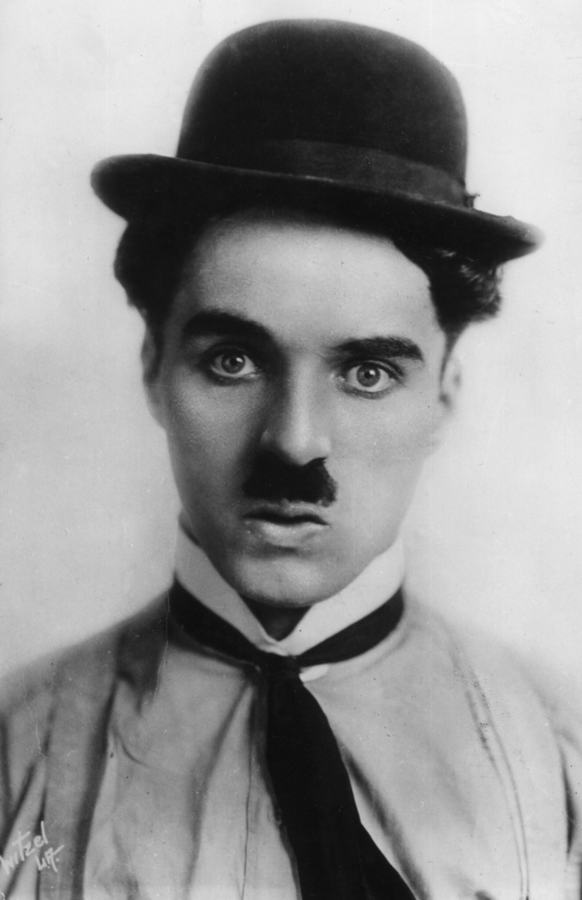
Charles Chaplin
United States
The Duality of Dirt: Chaplin's Pastoral ParadoxWhen Chaplin drags his limp body from bed at 4 AM in Sunnyside, he isn't just beginning a workday—he's conducting a symphony of exhaustion. Watch how he transforms survival into slapstick alchemy: a cow becomes a cafetière, a hen an organic egg dispenser. This isn't mere p...
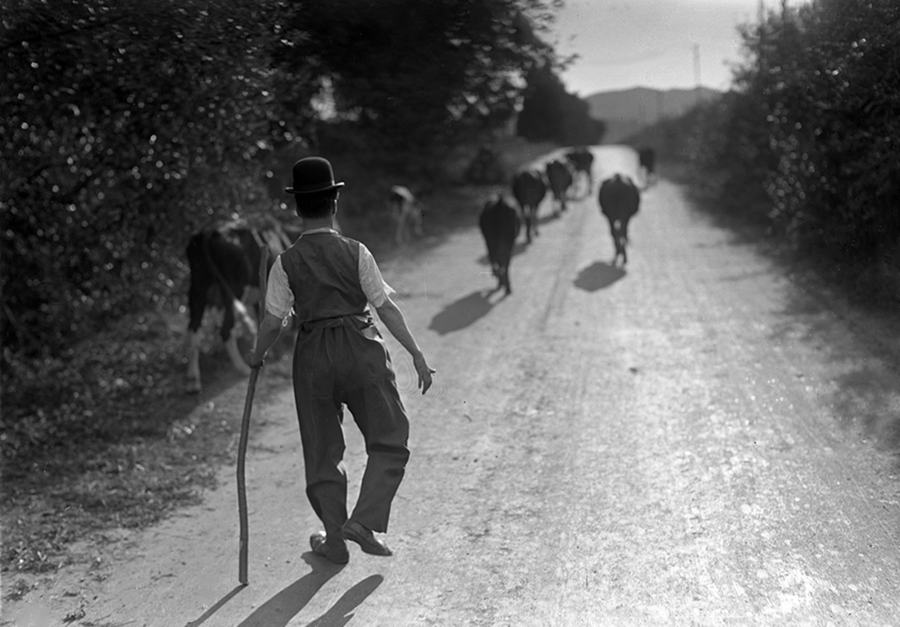
still_frame

production_art
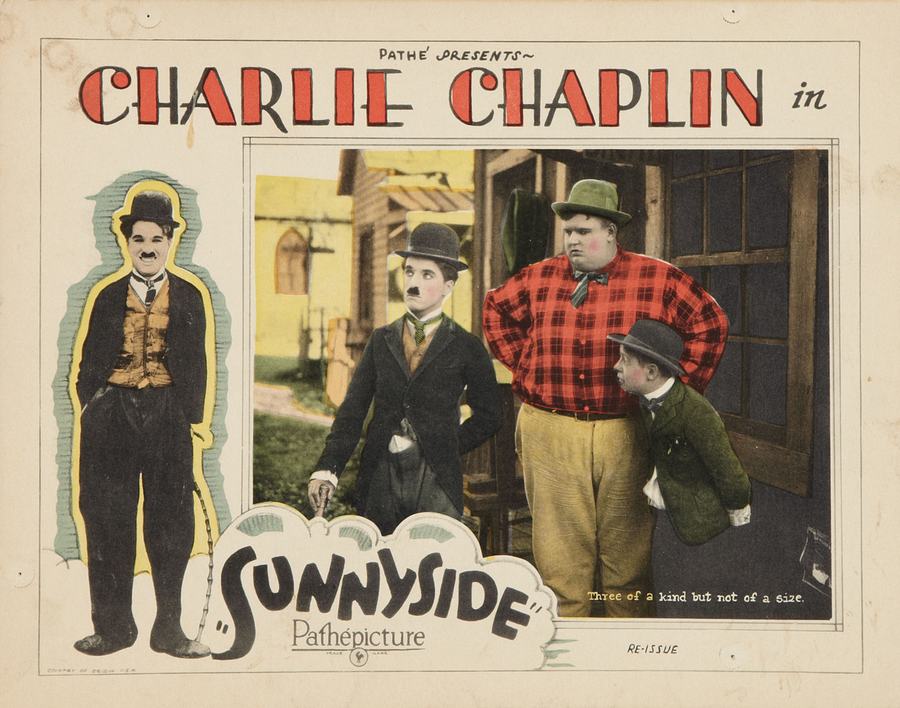
still_frame

production_art
still_frame
still_frame
still_frame

still_frame
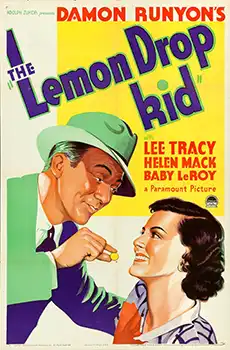
Comparing the cinematic DNA and archive impact of two defining moments in cult history.
Charles Chaplin
Charles Chaplin
Community
Log in to comment.
"The Duality of Dirt: Chaplin's Pastoral ParadoxWhen Chaplin drags his limp body from bed at 4 AM in Sunnyside, he isn't just beginning a workday—he's conducting a symphony of exhaustion. Watch how he transforms survival into slapstick alchemy: a cow becomes a cafetière, a hen an organic egg dispenser. This isn't mere poverty; it's the poetry of desperation. The farm setting, seemingly idyllic, functions as a gilded prison where labor devours identity. Chaplin's genius lies in making the audience..."