
DbcultAccessing Vault...
Director's Spotlight
Senior Film Conservator
Director's Spotlight: United States
A Deep Dive into the 1918 Vision of Charles Giblyn
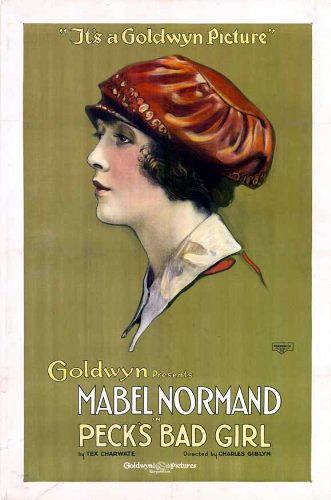
As a cultural artifact of the 1918s, Peck's Bad Girl provides the global recognition that Charles Giblyn garnered after the release of Peck's Bad Girl. Elevating the source material through Charles Giblyn's unique vision, it solidifies Charles Giblyn's reputation as a master of the craft.
In Peck's Bad Girl, Charles Giblyn pushes the boundaries of conventional narrative. The film's unique approach to its subject matter has sparked endless debates and interpretations among cinephiles and critics alike.
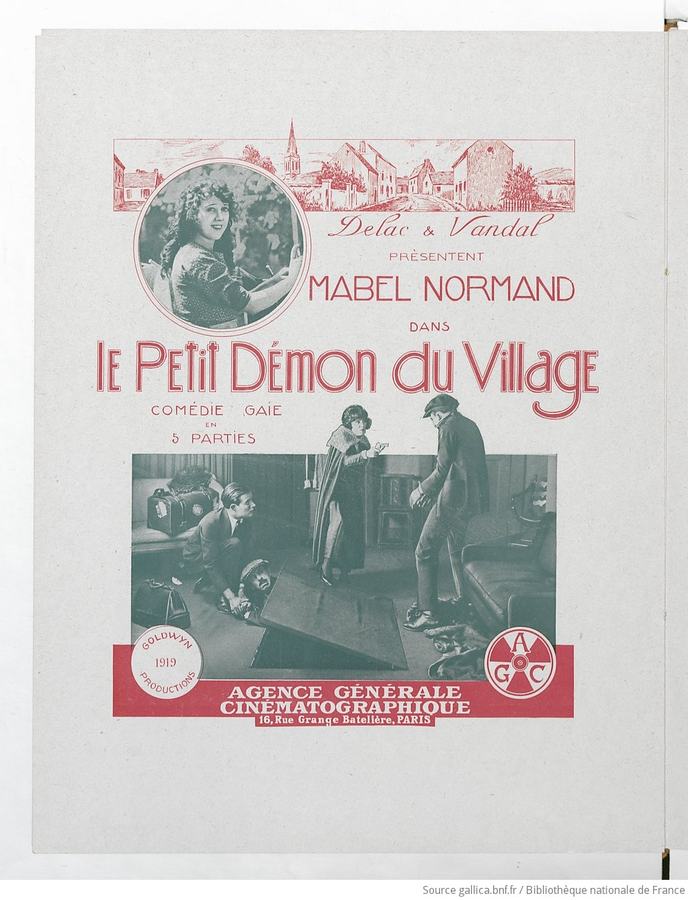
To fully appreciate Peck's Bad Girl, one must consider the cinematic climate of 1918. During this period, United States was undergoing significant artistic shifts, and Charles Giblyn was at the forefront of this cult movement, often challenging established norms.
| Cinematography | Noir-Inspired |
| Soundtrack | Minimalist |
| Editing | Disjunctive |
| Art Direction | Baroque |
Visualizing the convergence of Charles Giblyn's style and the core cult narrative.
Minnie Penelope Peck, the village scamp of Yaptank, accompanies her father to the bank to demand the $9 owed him for his work as a night watchman. When the bank president refuses to pay Peck, Minnie posts a sign which states that the bank is insolvent, so all of the depositors immediately demand their money. The fire department is called in to quell the mob, but things get worse when Minnie accidentally turns on the fire hose. Minnie is saved from reform school by a new woman in town, Hortense Martinot, who hires the tomboy to model clothing in her shop. After falling in love with jewelry-store proprietor Dick, Minnie discovers that Hortense, in league with two gentlemen from the city, is planning to rob the bank. With the help of Dick, who is actually a detective, Minnie captures the crooks, then accepts a wedding ring from her jewelry salesman.
Decades after its release, Peck's Bad Girl remains a vital piece of the cinematic puzzle. Its influence can be seen in countless modern works, solidifying Charles Giblyn's status as a master of the craft in United States and beyond.