
DbcultAccessing Vault...
Director's Spotlight
Senior Film Conservator
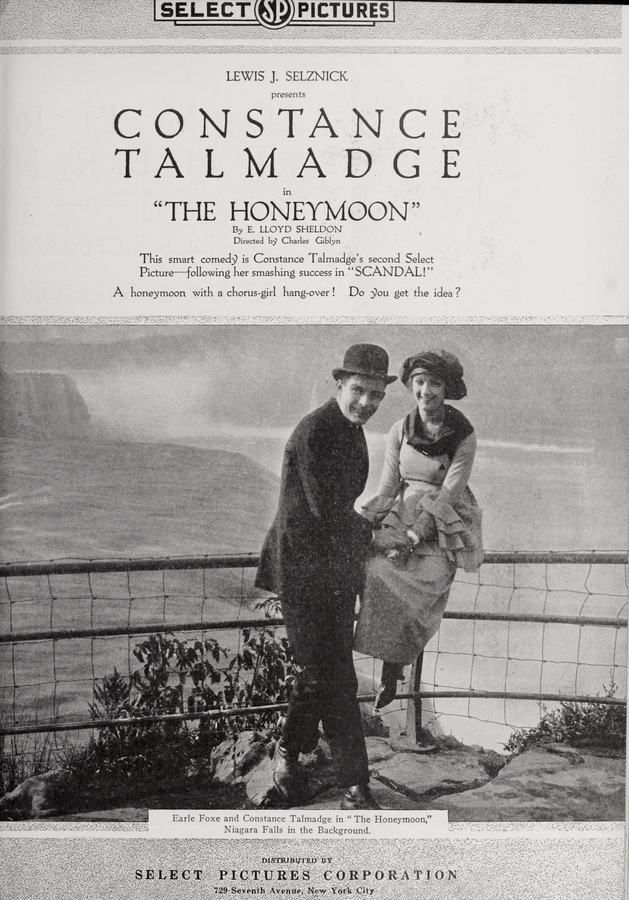
Director's Spotlight: United States
A Deep Dive into the 1917 Vision of Charles Giblyn
The cult DNA of The Honeymoon is a reflection of United States's the subversive storytelling techniques employed by Charles Giblyn in 1917. Breaking the traditional rules of cult engagement, it leaves an indelible mark on the soul of the viewer.
In The Honeymoon, Charles Giblyn pushes the boundaries of conventional narrative. The film's unique approach to its subject matter has sparked endless debates and interpretations among cinephiles and critics alike.
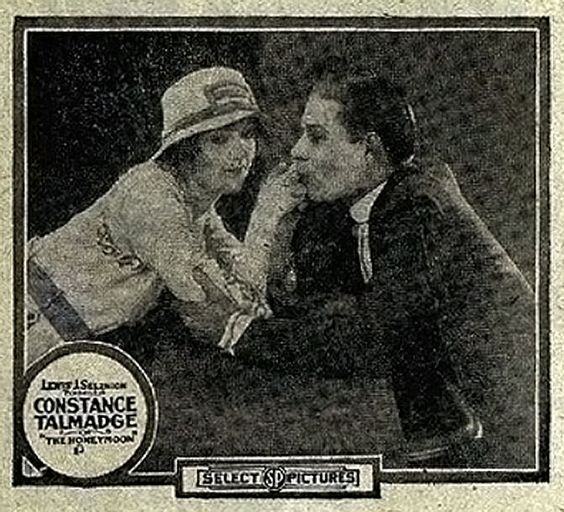
In this work, Charles Giblyn explores the intersection of cult and United States cultural identity. The meticulous attention to detail suggests a deep-seated commitment to pushing the boundaries of the medium, ensuring that The Honeymoon remains a relevant topic of study for cult enthusiasts.
| Cinematography | Handheld |
| Soundtrack | Experimental |
| Editing | Invisible |
| Art Direction | Kitsch |
Visualizing the convergence of Charles Giblyn's style and the core cult narrative.
Immediately after Susan Lane becomes Mrs. Richard Greer, she grows jealous when she sees her husband talking to Marion Starr, one of her bridesmaids. Susan's brother Phil wishes to marry Marion, but is entangled with actress Maizie Middleton. Consequently, Dick Greer agrees to see Maizie, whose troupe is playing Niagara, and attempts to buy her off. Susan follows Dick to Marion's dressing room, returns to the hotel and wires her Uncle Jimmy to file for divorce. Uncle Jimmy, resolved to cure Susan of her jealousy, intends to allow Susan to believe that she has been divorced, without actually filing. His law partner rushes the case through the courts, however, and the divorce is granted. Susan suffers such despair at the news of her separation from Dick that Uncle Jimmy rushes out and secures a minister, the couple are remarried and begin their honeymoon again.
Decades after its release, The Honeymoon remains a vital piece of the cinematic puzzle. Its influence can be seen in countless modern works, solidifying Charles Giblyn's status as a master of the craft in United States and beyond.