
DbcultAccessing Vault...
Director's Spotlight
Senior Film Conservator
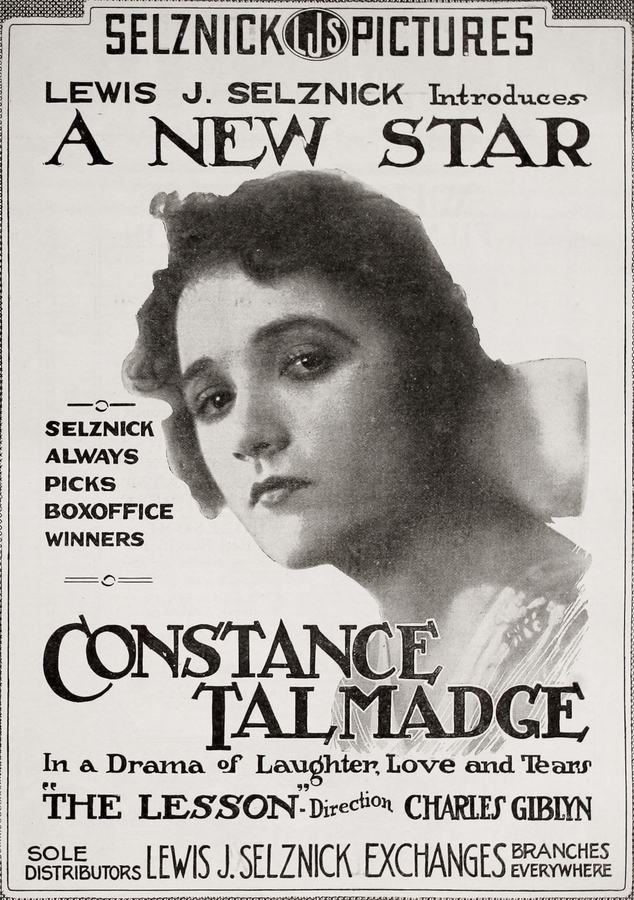
Director's Spotlight: United States
A Deep Dive into the 1917 Vision of Charles Giblyn
The enduring fascination with The Lesson is a testament to the artistic risks taken by Charles Giblyn that eventually paid off. Challenging the viewer to find meaning in the cult shadows, it reminds us of the fragility and beauty of the 1917s.
In The Lesson, Charles Giblyn pushes the boundaries of conventional narrative. The film's unique approach to its subject matter has sparked endless debates and interpretations among cinephiles and critics alike.
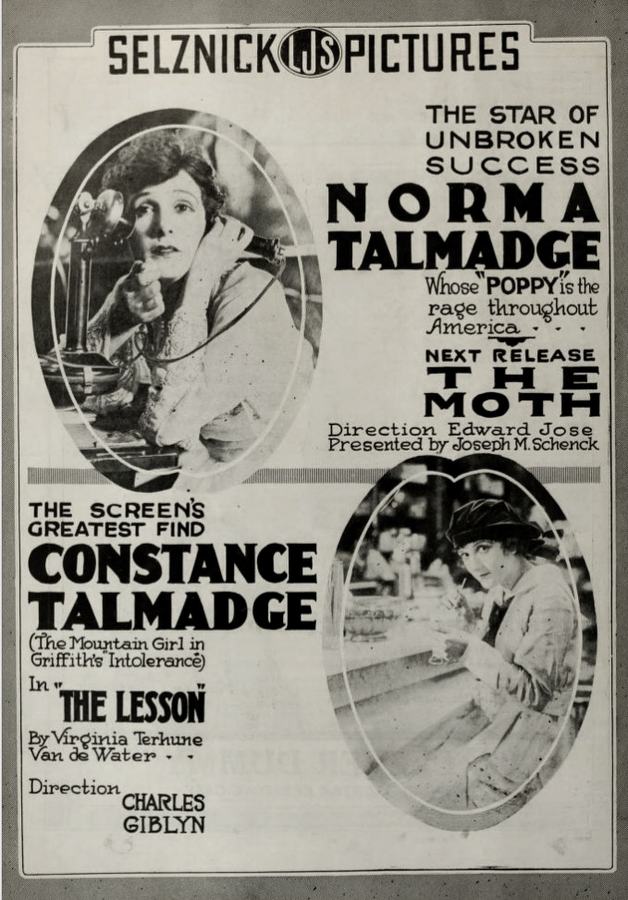
To fully appreciate The Lesson, one must consider the cinematic climate of 1917. During this period, United States was undergoing significant artistic shifts, and Charles Giblyn was at the forefront of this cult movement, often challenging established norms.
| Cinematography | Static |
| Soundtrack | Orchestral |
| Editing | Invisible |
| Art Direction | Kitsch |
Visualizing the convergence of Charles Giblyn's style and the core cult narrative.
Bored by the slow pace of life in her little home town, Helen Drayton rebels when her friends and relatives assume that she will marry her friend and escort, Chet Vernon. Helen is so anxious to experience life in the big city that she falls in love with visiting New York architect John Galvin almost immediately after his arrival. Several weeks later, the two marry and move to New York, where, after a series of painful experiences, Helen finally realizes John's selfishness. In the end, she gratefully returns home and becomes Chet's wife.
Decades after its release, The Lesson remains a vital piece of the cinematic puzzle. Its influence can be seen in countless modern works, solidifying Charles Giblyn's status as a master of the craft in United States and beyond.