
DbcultAccessing Vault...
Director's Spotlight
Senior Film Conservator
Director's Spotlight: United States
A Deep Dive into the 1916 Vision of Charles Giblyn
The evocative power of The Vagabond Prince stems from the unique collaboration between the subversive storytelling techniques employed by Charles Giblyn in 1916. Synthesizing the best elements of United States and international cinema, it reminds us of the fragility and beauty of the 1916s.
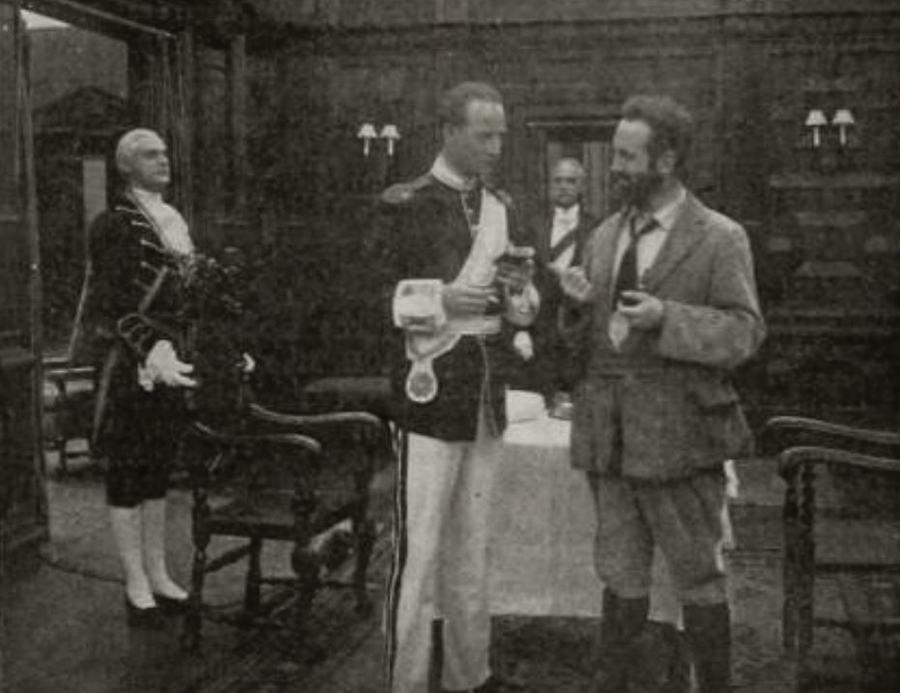
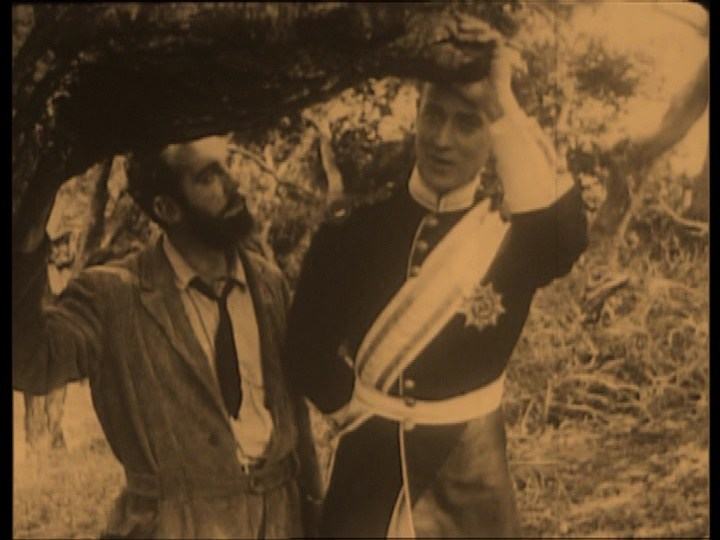
In The Vagabond Prince, Charles Giblyn pushes the boundaries of conventional narrative. The film's unique approach to its subject matter has sparked endless debates and interpretations among cinephiles and critics alike.
| Cinematography | Handheld |
| Soundtrack | Experimental |
| Editing | Invisible |
| Art Direction | Kitsch |
Visualizing the convergence of Charles Giblyn's style and the core cult narrative.
Prince Tonio of Bothalia, a mythical kingdom in the Balkan Mountains, escapes an arranged marriage to Princess Athalia, the elderly daughter of a neighboring king. Filled with wanderlust, he becomes a sailor and goes to San Francisco where he becomes a member of a Bohemian artist colony. After Burton Randall, an artist friend, gets him a job as a Maitre D'Armes fencing instructor, Tonio meets a young singer from the Barbary Coast named Fluffy, falls in love with her, and rescues her from political boss Murphy who tries to seduce her. Later, an ambassador from Bothalia, Count Metropolski; arrives to tell Prince Tonio that his uncle has been assassinated and that he is now the sole heir to the throne. Tonio must decide between duty and love, and he chooses love, renouncing the throne.
Decades after its release, The Vagabond Prince remains a vital piece of the cinematic puzzle. Its influence can be seen in countless modern works, solidifying Charles Giblyn's status as a master of the craft in United States and beyond.