
DbcultAccessing Vault...
Director's Spotlight
Senior Film Conservator
Director's Spotlight: United States
A Deep Dive into the 1916 Vision of Charles Horan
The 1916 release of Rose of the Alley marked a significant moment for the stylistic boundaries pushed by Charles Horan during the production. In the context of United States's rich cinematic history, it invites us to question our own perceptions of cult narratives.
In Rose of the Alley, Charles Horan pushes the boundaries of conventional narrative. The film's unique approach to its subject matter has sparked endless debates and interpretations among cinephiles and critics alike.
To fully appreciate Rose of the Alley, one must consider the cinematic climate of 1916. During this period, United States was undergoing significant artistic shifts, and Charles Horan was at the forefront of this cult movement, often challenging established norms.
| Cinematography | Handheld |
| Soundtrack | Minimalist |
| Editing | Slow-Burn |
| Art Direction | Brutalist |
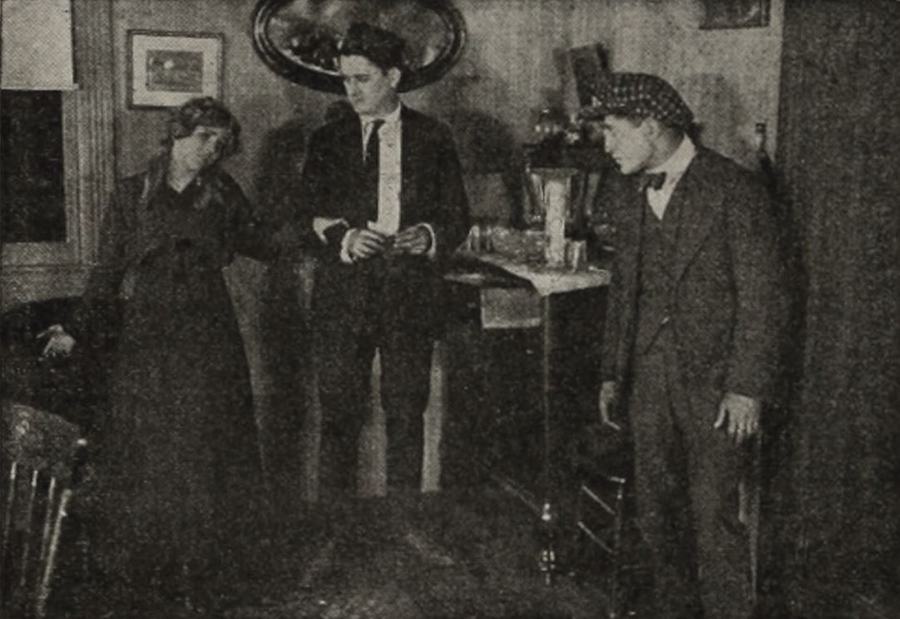
Visualizing the convergence of Charles Horan's style and the core cult narrative.
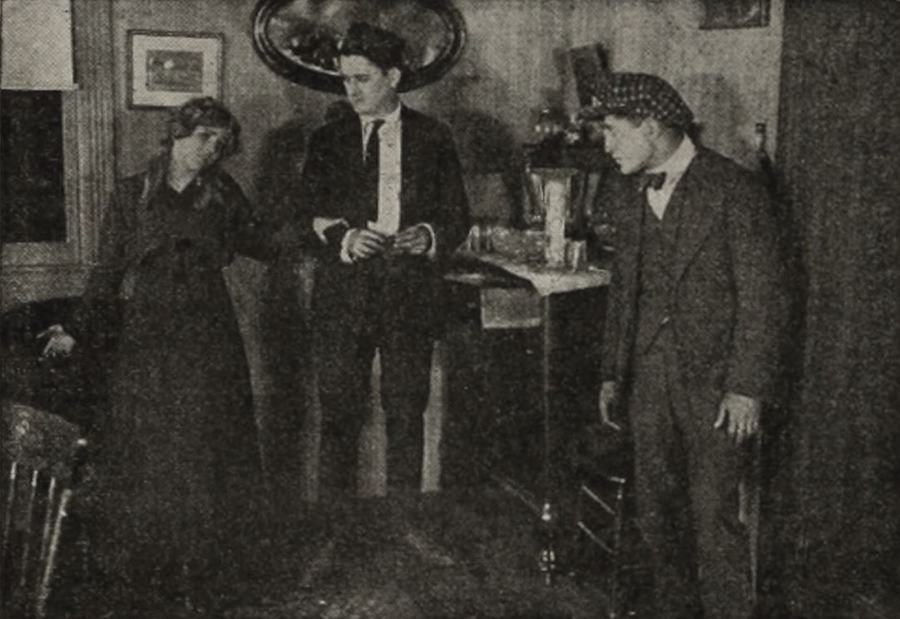
When Tom Drogan drunken, wild ways, cause his mother's death, his sister Nell swears to protect and reform him. On the pretext of paying back a gambling debt, Tom brings "Kid" Hogan to the house, but ends up shooting him in the forearm. Dan Hogan, Kid's brother who is a policeman, rushes to the scene and catches Tom running away. To avoid arrest, Tom tells Dan that he fired at Kid for molesting Nell, and in the face of scandal, Dan and Kid back down. As revenge, Kid enlists Mamie, his girlfriend, to force Nell into a compromising situation with a man on a street corner. Conveniently placed, Dan arrests Nell for solicitation, but Frank Roberts, her boyfriend, arrives and extricates her. When Tom hears of the plot, he confronts Kid in a dance hall and soon a raging gun battle breaks out in which Kid is killed. Badly wounded, Tom seeks refuge with Nell, who prepares to protect him with his gun. As the police break down her door, Tom dies.
Decades after its release, Rose of the Alley remains a vital piece of the cinematic puzzle. Its influence can be seen in countless modern works, solidifying Charles Horan's status as a master of the craft in United States and beyond.