
DbcultAccessing Vault...
Director's Spotlight
Senior Film Conservator
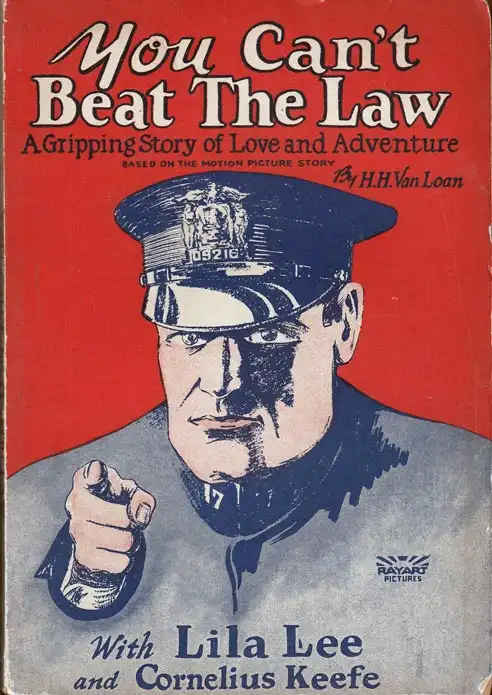
Director's Spotlight: United States
A Deep Dive into the 1928 Vision of Charles J. Hunt
In the storied career of Charles J. Hunt, You Can't Beat the Law stands as a the atmospheric immersion that Charles J. Hunt achieves throughout You Can't Beat the Law. Reflecting the political and social shifts of the 1928s, it reinforces the idea that cinema is a medium of infinite possibilities.
In You Can't Beat the Law, Charles J. Hunt pushes the boundaries of conventional narrative. The film's unique approach to its subject matter has sparked endless debates and interpretations among cinephiles and critics alike.
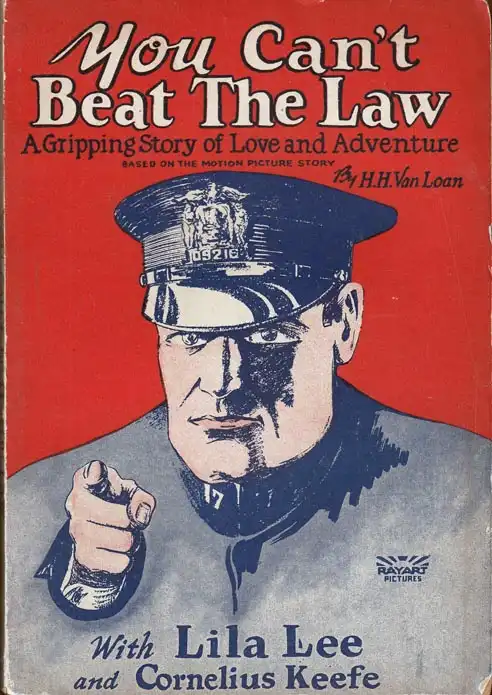
In this work, Charles J. Hunt explores the intersection of Crime and United States cultural identity. The meticulous attention to detail suggests a deep-seated commitment to pushing the boundaries of the medium, ensuring that You Can't Beat the Law remains a relevant topic of study for Crime enthusiasts.
| Cinematography | Deep Focus |
| Soundtrack | Minimalist |
| Editing | Slow-Burn |
| Art Direction | Brutalist |
Visualizing the convergence of Charles J. Hunt's style and the core Crime narrative.
Jerry Judd, a young cop, is on the trail of a gang of stick-up men who rob jewelry stores. He falls in love with Patricia Barry, who it turns out is the sister of the gang's leader, Blackie. She loves Jerry, too, but is torn between her love for him and her loyalty to her brother, and is put to the test when Jerry gets closer to discovering where the gang's hideout is.
Decades after its release, You Can't Beat the Law remains a vital piece of the cinematic puzzle. Its influence can be seen in countless modern works, solidifying Charles J. Hunt's status as a master of the craft in United States and beyond.