
DbcultAccessing Vault...
Director's Spotlight
Senior Film Conservator
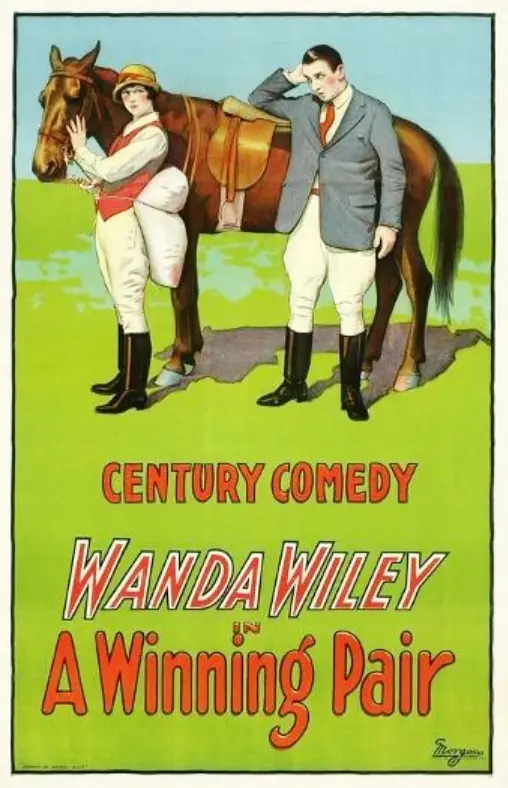
Director's Spotlight: United States
A Deep Dive into the 1925 Vision of Charles Lamont
To understand the modern evolution of United States film, one must first look at A Winning Pair and the collaborative alchemy between Charles Lamont and the 1925 creative team. Subverting the expectations of the typical 1925 audience, it remains a vital reference point for anyone studying the evolution of Charles Lamont.
In A Winning Pair, Charles Lamont pushes the boundaries of conventional narrative. The film's unique approach to its subject matter has sparked endless debates and interpretations among cinephiles and critics alike.
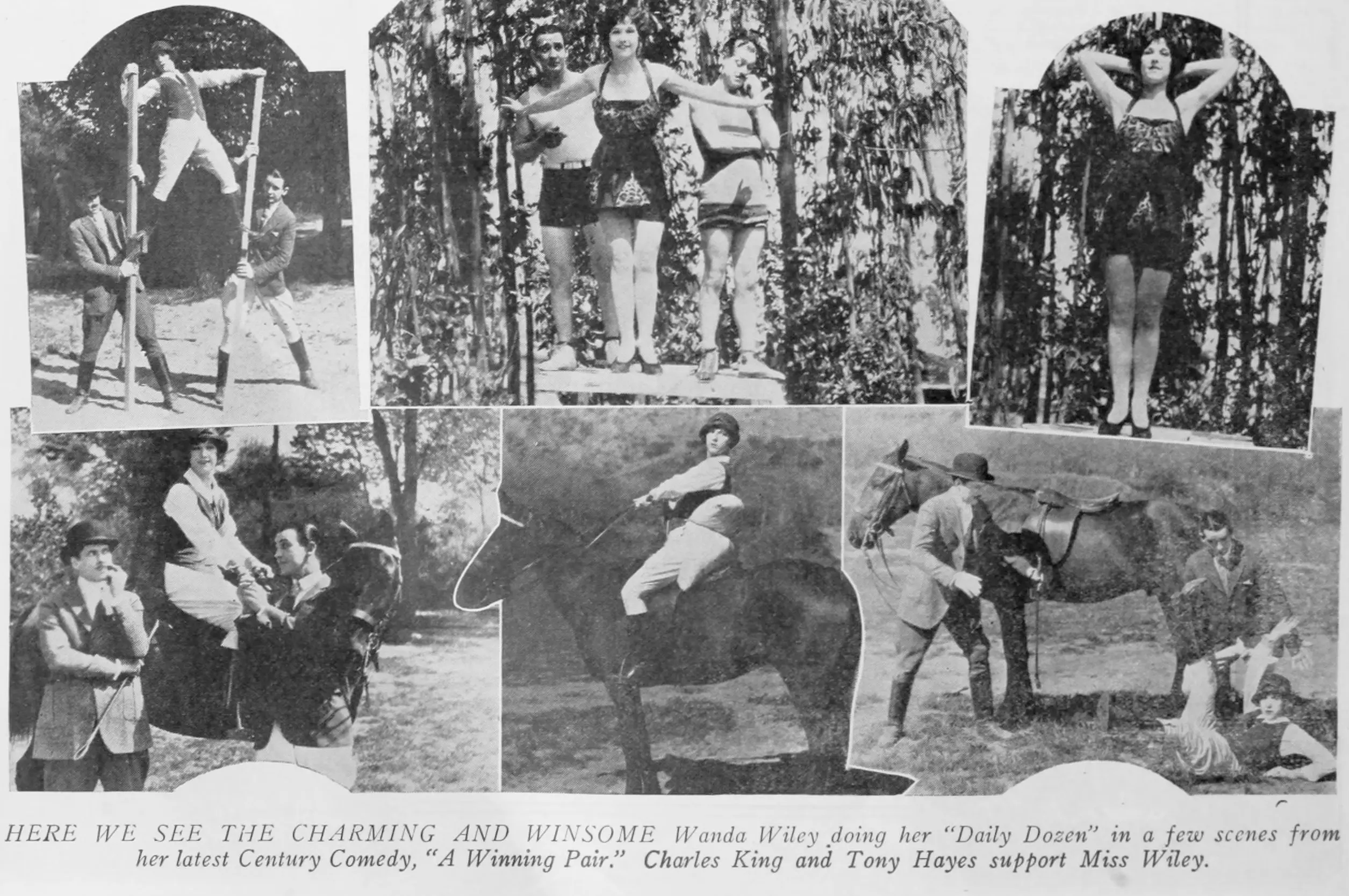
To fully appreciate A Winning Pair, one must consider the cinematic climate of 1925. During this period, United States was undergoing significant artistic shifts, and Charles Lamont was at the forefront of this Short movement, often challenging established norms.
| Cinematography | Noir-Inspired |
| Soundtrack | Diegetic |
| Editing | Elliptical |
| Art Direction | Expressionist |
Visualizing the convergence of Charles Lamont's style and the core Short narrative.
Wanda dreams she is a high diver and visualizes herself in the center of a bevy of beautiful bathing girls, making a beautiful swan-like dive for the edification of the man she loves. She awakens to find herself diving into an assortment of sofa cushions. She then joins the man in a horseback ride, feigns a run-away and a fall from the horse to arouse his sympathy. Apparently unconscious, she is revived by the kisses of her lover in the usual happy ending.
Decades after its release, A Winning Pair remains a vital piece of the cinematic puzzle. Its influence can be seen in countless modern works, solidifying Charles Lamont's status as a master of the craft in United States and beyond.