
DbcultAccessing Vault...
Director's Spotlight
Senior Film Conservator
Director's Spotlight: United States
A Deep Dive into the 1925 Vision of Charles Lamont
The enduring fascination with Married Neighbors is a testament to the artistic risks taken by Charles Lamont that eventually paid off. Challenging the viewer to find meaning in the Comedy shadows, it reminds us of the fragility and beauty of the 1925s.
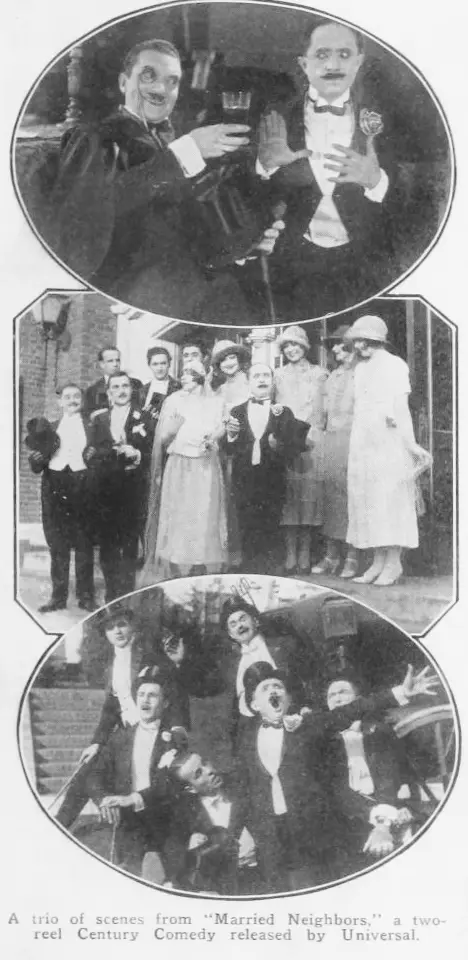
In Married Neighbors, Charles Lamont pushes the boundaries of conventional narrative. The film's unique approach to its subject matter has sparked endless debates and interpretations among cinephiles and critics alike.
| Cinematography | Deep Focus |
| Soundtrack | Diegetic |
| Editing | Rhythmic |
| Art Direction | Naturalist |
Visualizing the convergence of Charles Lamont's style and the core Comedy narrative.
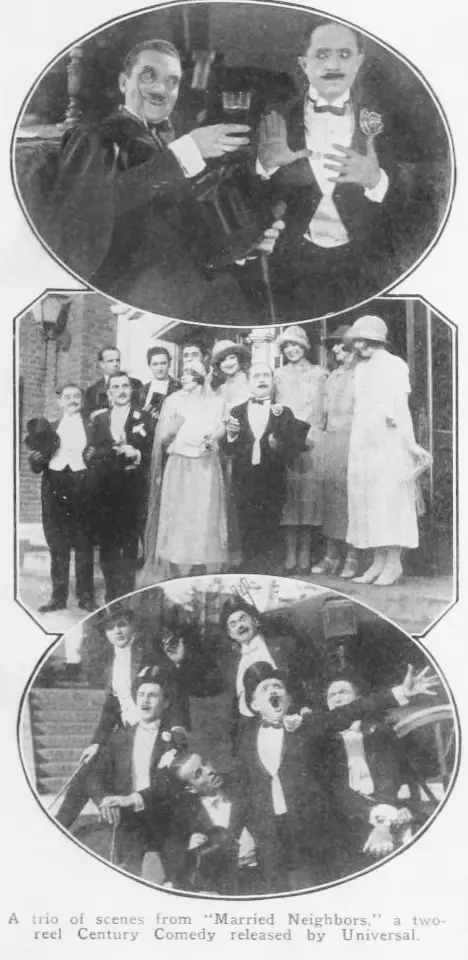
The tale of a bachelor's last party before he takes the marriage vow. With some of his young married neighbors he goes on a wild tear that ends when they take possession of a hansom cab. The usual incidents mark the cab ride when the horse refuses to go any further. Some of the party are hitched to the shafts, while others assume undignified attitudes within the cab. It ends when the cab goes over a bridge and Billy falls into the seat of Beth's auto. He is eventually forgiven and the marriage ceremony is proceeded with.
Decades after its release, Married Neighbors remains a vital piece of the cinematic puzzle. Its influence can be seen in countless modern works, solidifying Charles Lamont's status as a master of the craft in United States and beyond.