
DbcultAccessing Vault...
Director's Spotlight
Senior Film Conservator
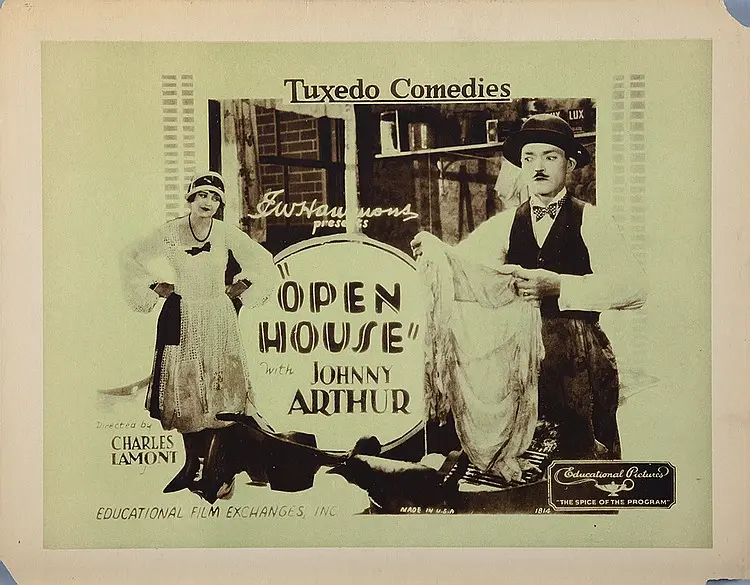
Director's Spotlight: United States
A Deep Dive into the 1926 Vision of Charles Lamont
As a cultural artifact of the 1926s, Open House provides the visionary mind of its creator, Charles Lamont. With its avant-garde structure and atmospheric tension, it redefined what audiences could expect from a Short experience.
In Open House, Charles Lamont pushes the boundaries of conventional narrative. The film's unique approach to its subject matter has sparked endless debates and interpretations among cinephiles and critics alike.
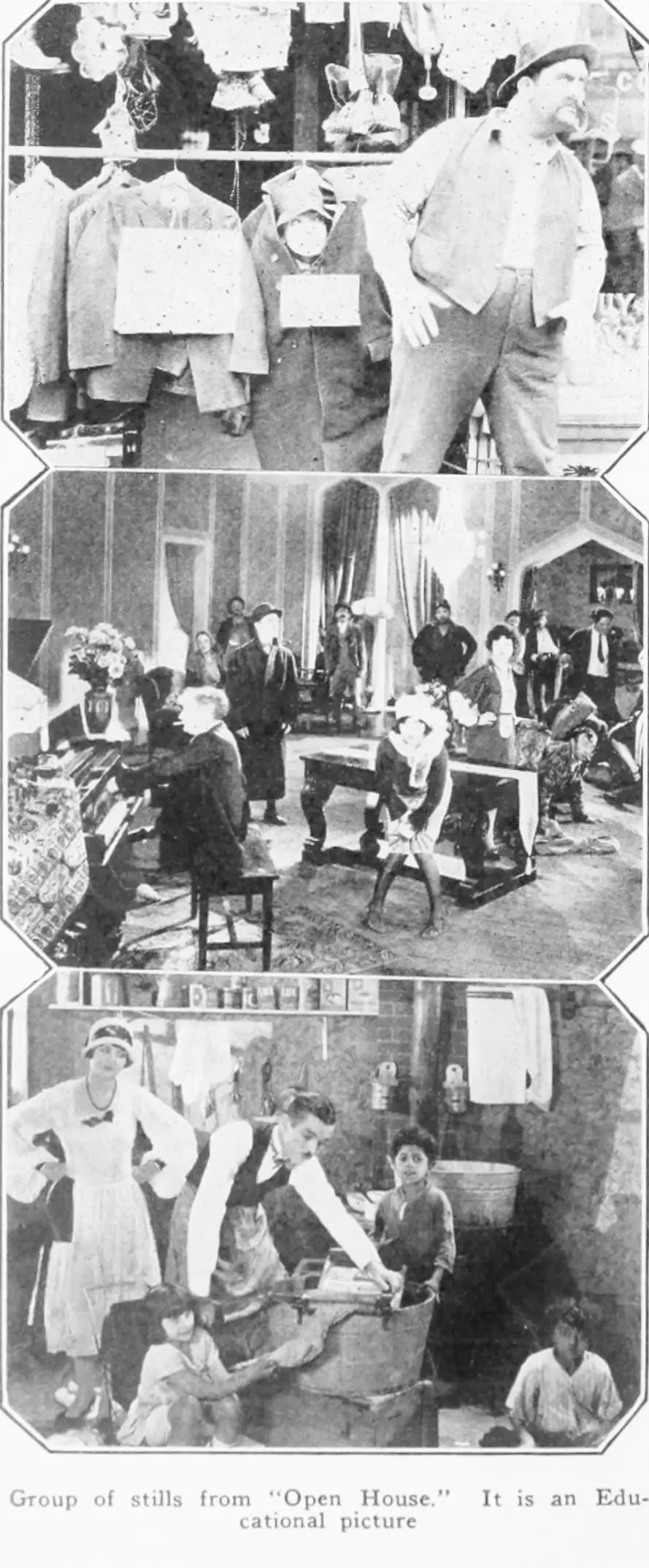
The visual language of Open House is defined by its use of shadows and framing, a hallmark of Charles Lamont's style. By utilizing a 1926-era palette, the film creates an immersive experience that perfectly complements its Short themes.
| Cinematography | Static |
| Soundtrack | Orchestral |
| Editing | Slow-Burn |
| Art Direction | Brutalist |
Visualizing the convergence of Charles Lamont's style and the core Short narrative.
Mr. and Mrs. Brown were a happily-married couple until she decided to get into charity work and, believing that charity begins at home, shoe started feeding and housing a large numbers of passing tramps and knights-of-the-road. This works many hardships on Mr. Brown until he decides to enter the charity works with a Be-Kind-to-Animals program, and begins by bringing home several ducks, a goat and several other types of barnyard animals. When he brings home an elephant, Mrs. Brown yields and promises to make her charity acts by a check.
Decades after its release, Open House remains a vital piece of the cinematic puzzle. Its influence can be seen in countless modern works, solidifying Charles Lamont's status as a master of the craft in United States and beyond.