
DbcultAccessing Vault...
Director's Spotlight
Senior Film Conservator
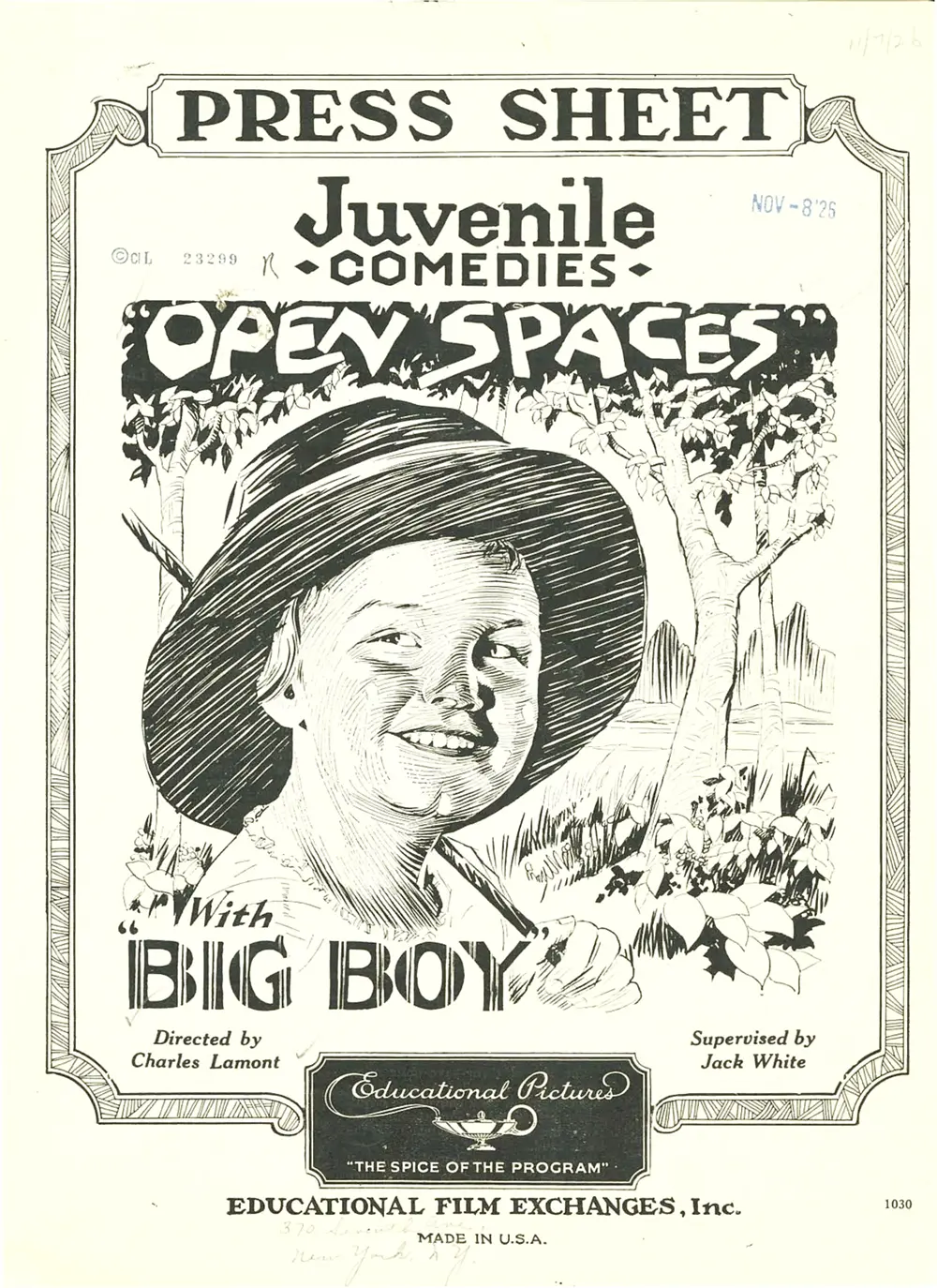
Director's Spotlight: United States
A Deep Dive into the 1926 Vision of Charles Lamont
In the grand tapestry of Short cinema, Open Spaces serves as a bridge between the bold experimentation that has become synonymous with Charles Lamont. Breaking the traditional rules of Short engagement, it highlights the importance of independent voices in United States.
In Open Spaces, Charles Lamont pushes the boundaries of conventional narrative. The film's unique approach to its subject matter has sparked endless debates and interpretations among cinephiles and critics alike.
To fully appreciate Open Spaces, one must consider the cinematic climate of 1926. During this period, United States was undergoing significant artistic shifts, and Charles Lamont was at the forefront of this Short movement, often challenging established norms.
| Cinematography | Noir-Inspired |
| Soundtrack | Orchestral |
| Editing | Slow-Burn |
| Art Direction | Brutalist |
Visualizing the convergence of Charles Lamont's style and the core Short narrative.
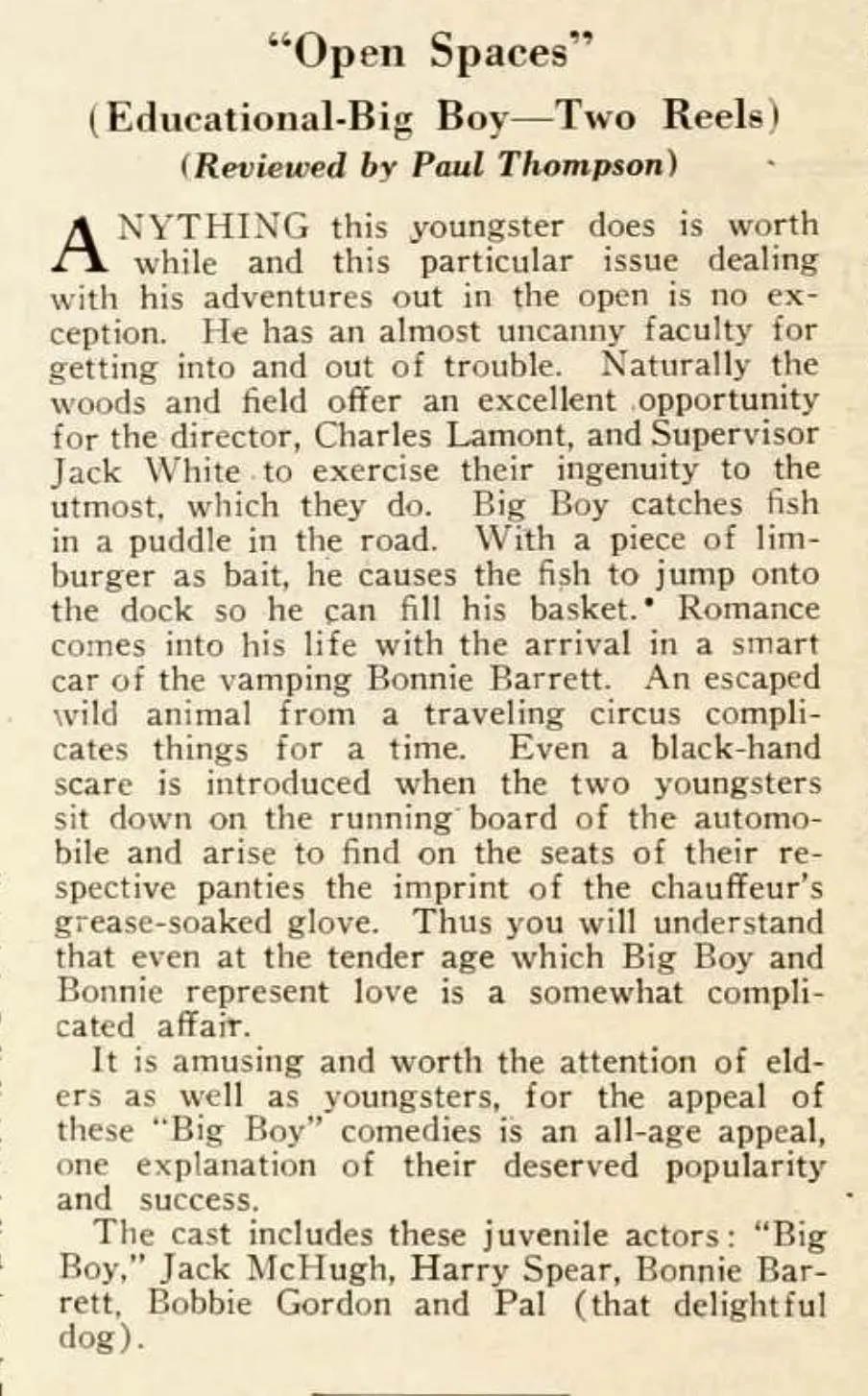
The kids from the tenement district are enjoying their annual summer vacation at a "fresh air" camp in the country. There is so much hard luck in camp that if it was raining soup, there wouldn't be a spoon within a mile of the camp. "Big Boy" is at an unlucky age. He is just out of the baby stage and not big enough to be one of the boys. He is left out of all of their games and sports and whenever the gang goes fishing he is left behind. But he surprises them all by his ability to catch fish in the center of the road. They leave him in camp to watch the baby while they go swimming. "Big Boy" presses "Pal" into service and brings the baby along. "Pal" watches the baby while "Big Boy" tries to join the boys. They try to elude him but he follows them "Big Boy" decide to do some more fishing but he is short of bait. He finally gets hold of a piece of Limburger cheese with which he bait his hook. The bait is wonderfully successful for it sets all the fish crazy and "Big Boy's" basket is soon filled. Back at the camp again, "Big Boy" is appointed official "White-wings" and his job is to keep the grounds clean. With a pointed stick and a bag, he collects all the rubbish and is going along fine when he spears the prize fat boy of the camp. A wild animal breaks loose from a circus and it keeper seeks it in the woods near the boys' camp, naturally, this throws a scare into them and lead to many mad scrambles to escape imaginary beasts. Bonnie, the daughter of a millionaire visits the camp and "Big Boy" falls in love with her. The two of them have quite a romance which is spoiled when both he and the girl sit on a pair of the chauffeur's dirty glove. For a while they think the camp is threatened by the black hand. Every thing is straightened out all right and "Big Boy" is in luck once more. Bonnie smiles at him and everything is all peaches and cream.
Decades after its release, Open Spaces remains a vital piece of the cinematic puzzle. Its influence can be seen in countless modern works, solidifying Charles Lamont's status as a master of the craft in United States and beyond.