
DbcultAccessing Vault...
Director's Spotlight
Senior Film Conservator
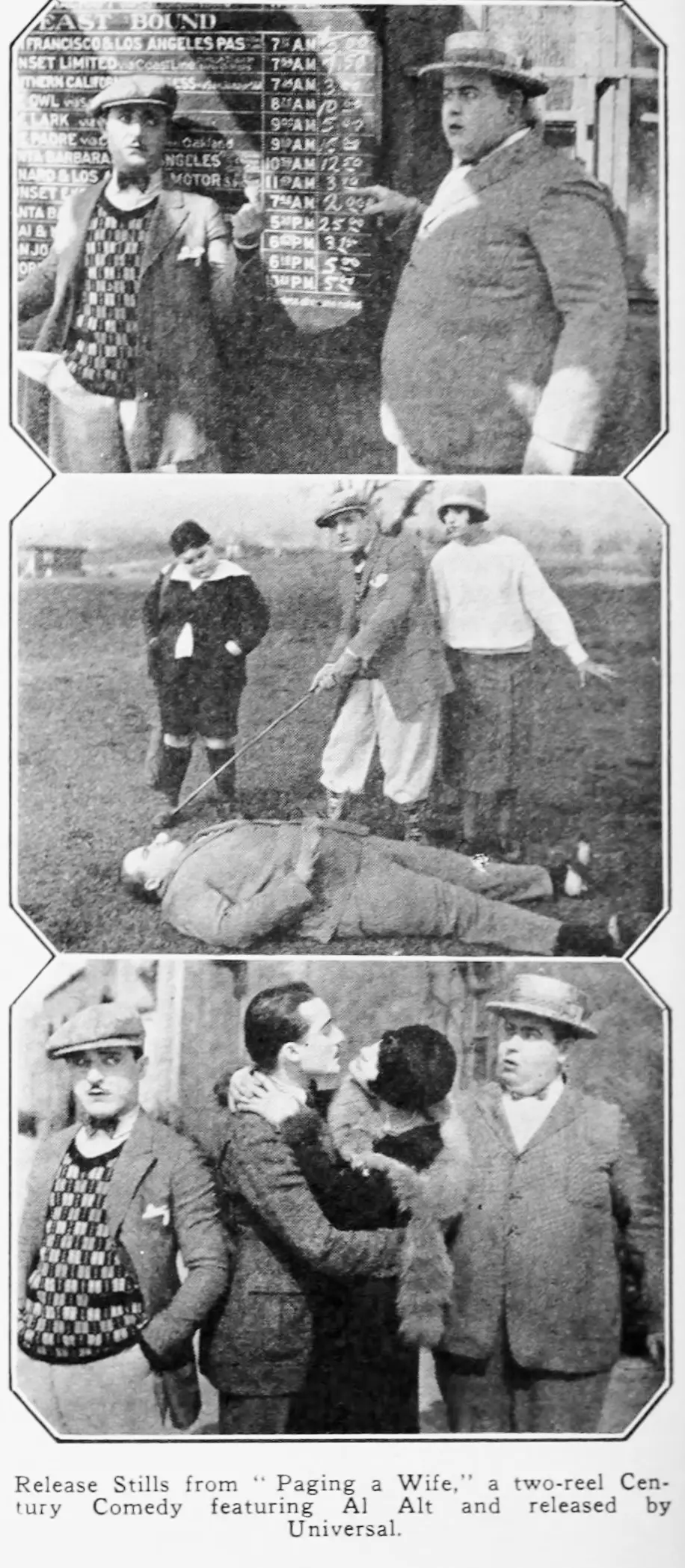
Director's Spotlight: United States
A Deep Dive into the 1925 Vision of Charles Lamont
The evocative power of Paging a Wife stems from the unique collaboration between the subversive storytelling techniques employed by Charles Lamont in 1925. Synthesizing the best elements of United States and international cinema, it reminds us of the fragility and beauty of the 1925s.
In Paging a Wife, Charles Lamont pushes the boundaries of conventional narrative. The film's unique approach to its subject matter has sparked endless debates and interpretations among cinephiles and critics alike.
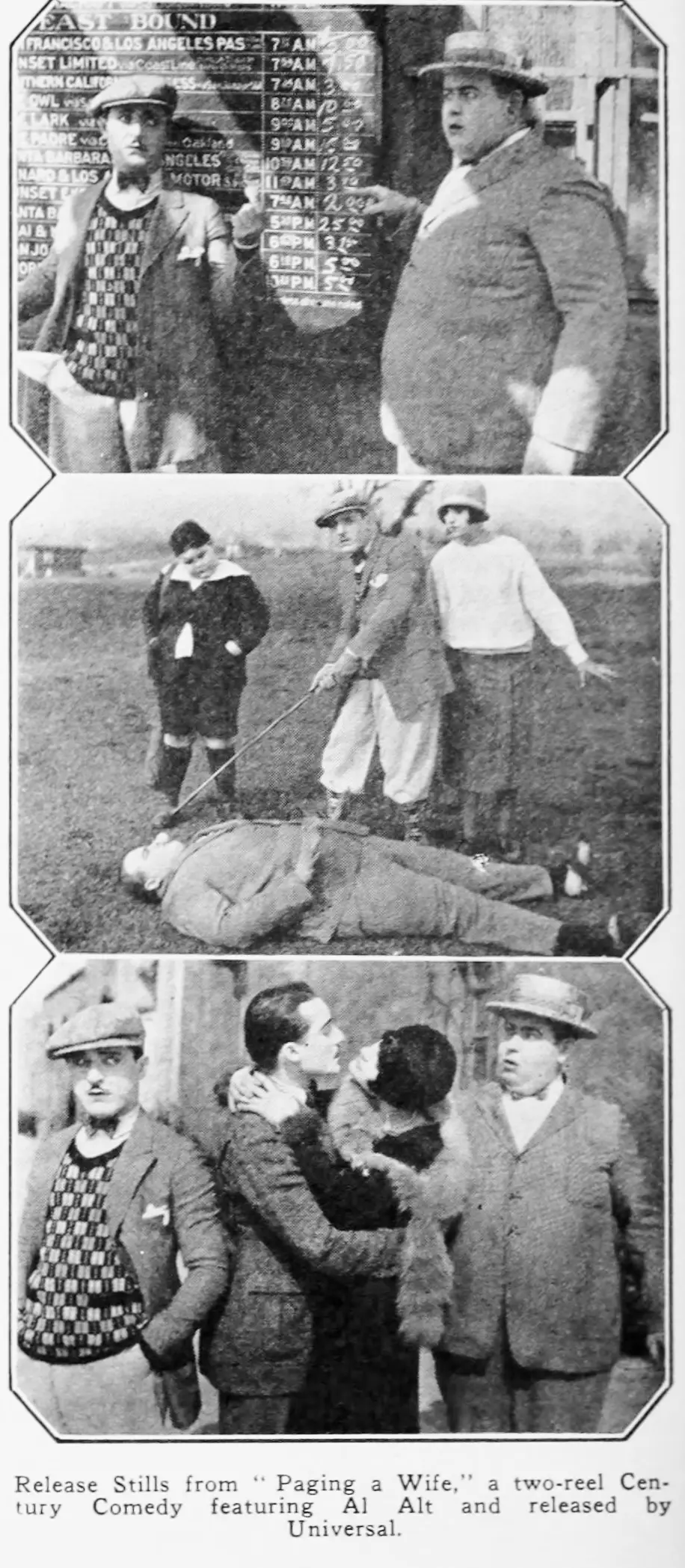
In this work, Charles Lamont explores the intersection of Comedy and United States cultural identity. The meticulous attention to detail suggests a deep-seated commitment to pushing the boundaries of the medium, ensuring that Paging a Wife remains a relevant topic of study for Comedy enthusiasts.
| Cinematography | High-Contrast |
| Soundtrack | Diegetic |
| Editing | Elliptical |
| Art Direction | Expressionist |
Visualizing the convergence of Charles Lamont's style and the core Comedy narrative.
Al, whose wife has just departed, is admonished to be good. He immediately becomes involved with a traffic cop for speeding and puts forth the subterfuge that he is a doctor rushing to the bedside of a sick mother and baby. He is made to prove his statement when the cop accompanies him. This he does when he persuades a passing girl to enact the sick role to outwit the cop. The plot succeeds, but the confusion is added to when the wife unexpectedly returns to find the fair visitor in the home. However, they prove to be old friends and the difficulty is straightened out until the cop overhears the entire plot unraveled and rushes the culprits off to jail.
Decades after its release, Paging a Wife remains a vital piece of the cinematic puzzle. Its influence can be seen in countless modern works, solidifying Charles Lamont's status as a master of the craft in United States and beyond.