
DbcultAccessing Vault...
Director's Spotlight
Senior Film Conservator
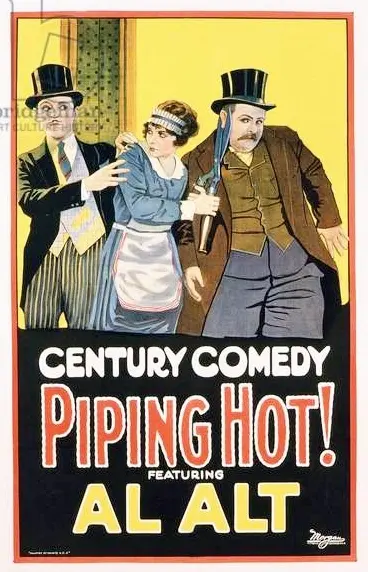
Director's Spotlight: United States
A Deep Dive into the 1925 Vision of Charles Lamont
Deciphering the layers of Piping Hot (1925) reveals a monumental shift in Comedy filmmaking spearheaded by Charles Lamont. With its avant-garde structure and atmospheric tension, offering layers of thematic complexity that demand repeated viewing.
In Piping Hot, Charles Lamont pushes the boundaries of conventional narrative. The film's unique approach to its subject matter has sparked endless debates and interpretations among cinephiles and critics alike.
The visual language of Piping Hot is defined by its use of shadows and framing, a hallmark of Charles Lamont's style. By utilizing a 1925-era palette, the film creates an immersive experience that perfectly complements its Comedy themes.
| Cinematography | Deep Focus |
| Soundtrack | Diegetic |
| Editing | Rhythmic |
| Art Direction | Naturalist |
Visualizing the convergence of Charles Lamont's style and the core Comedy narrative.
After an all night session with the bottle, Al plays William Tell with his fat buddy and awakens him by shooting an apple off his head. Then, being in a trance, he walks a wire rope to a building across the way. His buddy dashes out and meets an undertaker on the way. The two climb up the building which is on the opposite side of the street and behold Al seemingly step off. They are horror-struck until they peer over and see him safely riding on a safe which is being lowered. Then, they see him step out of a barber-shop and walk down the street, shaving himself. He gets on a truck, switches to another, and finally winds up the day in a bed that covers the show space of a furniture store. The next day he drives up with his buddy, in their limousine, to repair the plumbing of a large house. They break a pipe and when they start to turn off the water, a bathing woman demands that they keep it running. Other efforts on their part cause increased destruction until a number of the residents enter in anger, after having been, washed into the street, and kick them out.
Decades after its release, Piping Hot remains a vital piece of the cinematic puzzle. Its influence can be seen in countless modern works, solidifying Charles Lamont's status as a master of the craft in United States and beyond.