
DbcultAccessing Vault...
Director's Spotlight
Senior Film Conservator
Director's Spotlight: United States
A Deep Dive into the 1926 Vision of Charles Lamont
The 1926 release of Raisin' Cain marked a significant moment for the stylistic boundaries pushed by Charles Lamont during the production. In the context of United States's rich cinematic history, it invites us to question our own perceptions of Short narratives.
In Raisin' Cain, Charles Lamont pushes the boundaries of conventional narrative. The film's unique approach to its subject matter has sparked endless debates and interpretations among cinephiles and critics alike.
The visual language of Raisin' Cain is defined by its use of shadows and framing, a hallmark of Charles Lamont's style. By utilizing a 1926-era palette, the film creates an immersive experience that perfectly complements its Short themes.
| Cinematography | Noir-Inspired |
| Soundtrack | Minimalist |
| Editing | Disjunctive |
| Art Direction | Baroque |
Visualizing the convergence of Charles Lamont's style and the core Short narrative.
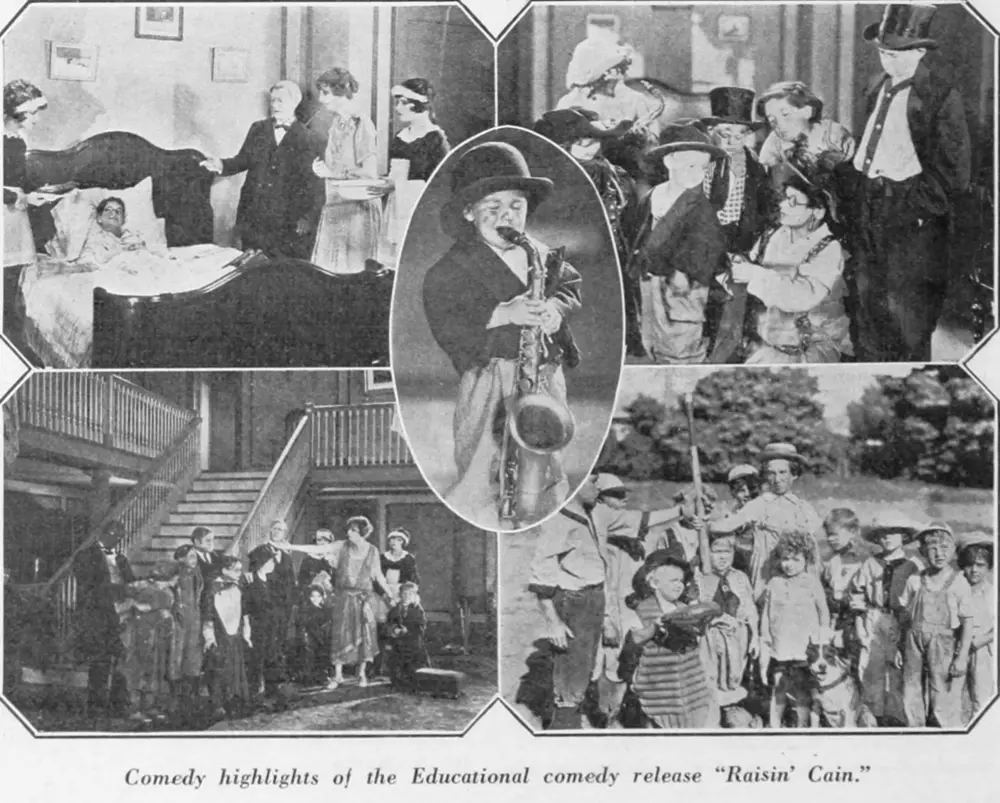
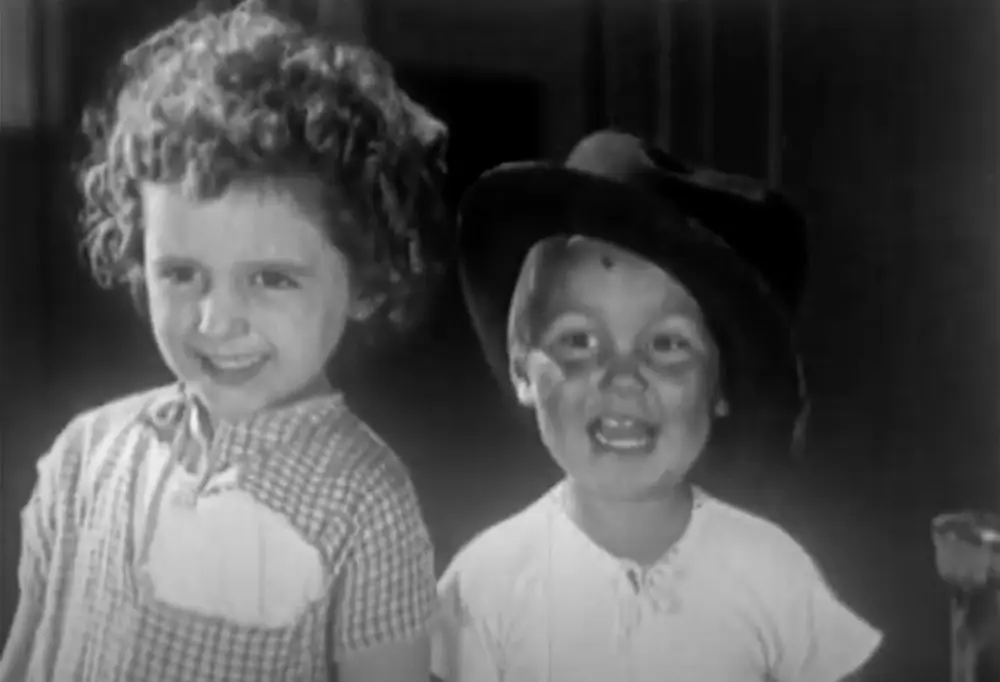
Bobby is playing sick to get out of some work his mother has told him to do. He is in bed and the doctor is visiting him. His mother and two nurses are also in attendance for Bobby is the son of the richest family in town. But Bobby is all boy-and out on the lot near his window his boy friends are playing base-ball. Bobby is their pinch hitter, but can not get out to play. The score is tied and the team needs his services and they get a message to him. Bobby gets out of bed, still in his nightgown, races to the plate, swings and knocks a home run and keeps on running back to his bed. The doctor come's in again and notices his heavy breathing and declares that he is in a serious condition. Again the score is tied and again Bobby sneaks out to make the winning run. This time some jealous rival throws a tomato which splatters Bobby's face with the juice and when he gets back in bed the doctor declares that he has the measles. The kids outside continue their game until the ball is finally knocked through the window. "Pal" is sent in to get it but fails-and the kids stream in to recover the ball. They are discovered and quarantined in the house. As Bobby is not sick, they plan a wonderful time. He proposes a Charleston contest and the kids don the clothes of the grown-ups and have their party. Then some one proposes a bathing party in the big bathroom. The bunch disport themselves in the spacious tub until they are discovered. Then it is noticed that the "measles" have all washed off of Bobby's face-and the kids are sent home, sadder and wiser.
Decades after its release, Raisin' Cain remains a vital piece of the cinematic puzzle. Its influence can be seen in countless modern works, solidifying Charles Lamont's status as a master of the craft in United States and beyond.