
DbcultAccessing Vault...
Director's Spotlight
Senior Film Conservator
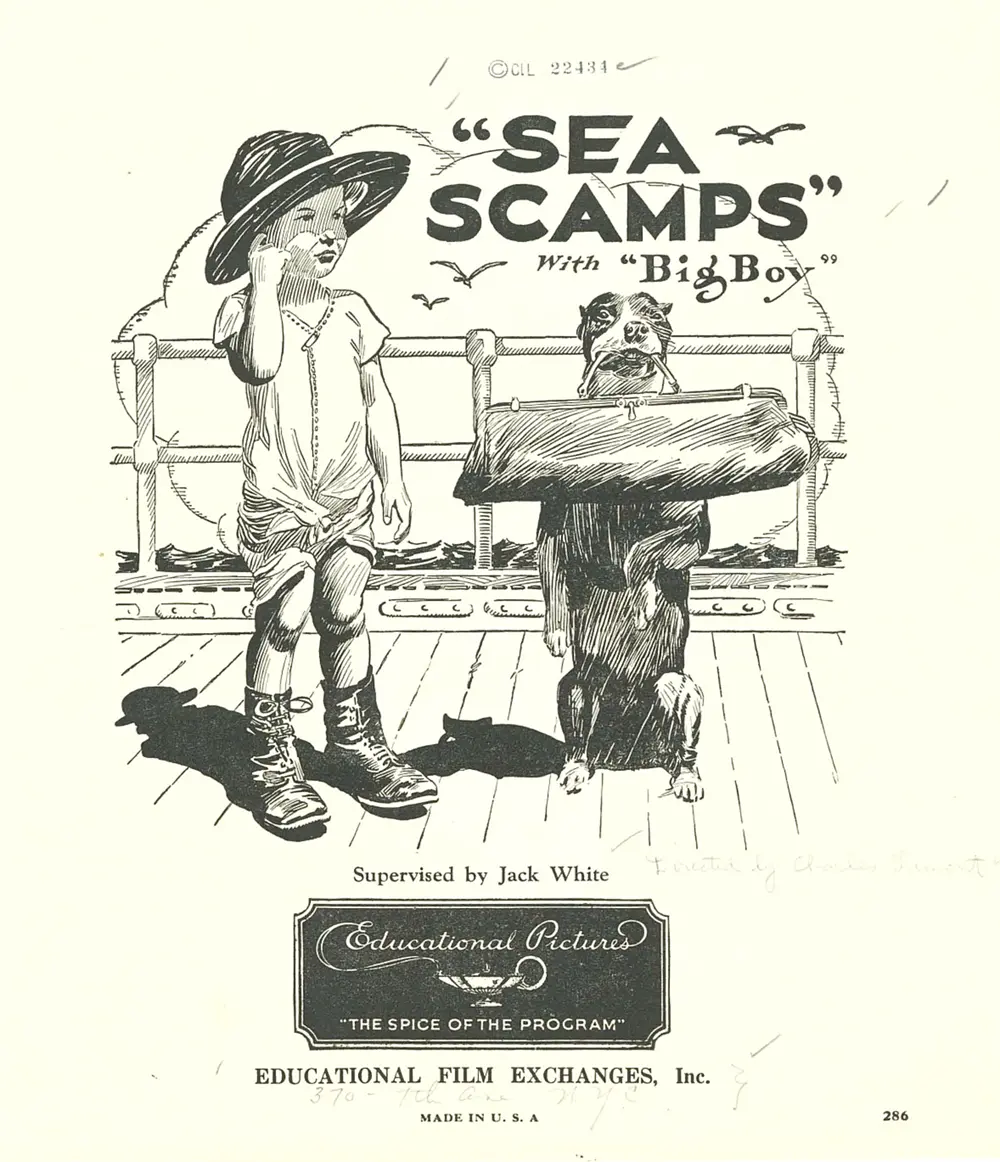
Director's Spotlight: United States
A Deep Dive into the 1926 Vision of Charles Lamont
Peeling back the layers of Charles Lamont's Sea Scamps exposes the technical innovation that Charles Lamont introduced to the Comedy format. Driven by an uncompromising commitment to Comedy excellence, it stands as the definitive 1926 statement on Comedy identity.
In Sea Scamps, Charles Lamont pushes the boundaries of conventional narrative. The film's unique approach to its subject matter has sparked endless debates and interpretations among cinephiles and critics alike.
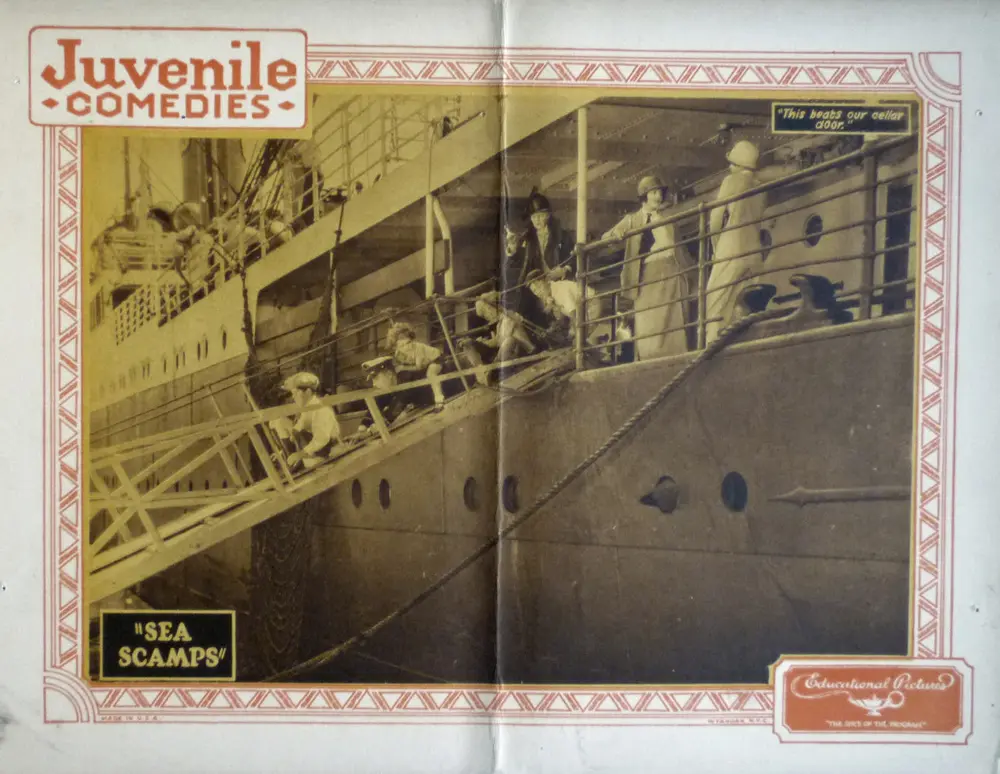
In this work, Charles Lamont explores the intersection of Comedy and United States cultural identity. The meticulous attention to detail suggests a deep-seated commitment to pushing the boundaries of the medium, ensuring that Sea Scamps remains a relevant topic of study for Comedy enthusiasts.
| Cinematography | Deep Focus |
| Soundtrack | Synth-Heavy |
| Editing | Rhythmic |
| Art Direction | Naturalist |
Visualizing the convergence of Charles Lamont's style and the core Comedy narrative.
The children of the orphanage are elated over the outing, given to them by Mrs. Bullock, a rich lady charitably inclined. She doesn't know what she's undertaken, though, when she volunteers to be chaperone and guide to the youngsters on their sea trip. She loads them all in her auto, and when she comes to count noses she finds that the party has been swelled by the addition of several miscellaneous animals, pets of the children. She orders them all left behind. But "Pal" decides that he wants an excursion, too. At the dock the kids get into mischief. Pal shows up on the dock and he is thrown off, chased off and locked off the boat, but that does not discourage him. Before the boat sails he climbs the hawser and makes his appearance when the ship puts to sea. The life on the bounding main seem to incite the kids to more mischief, and things are going merrily when a wild flying fish comes aboard and forms an attachment for "Ginger." The rest of the gang go to the rescue with fire-axes and water pails. When the flying fish is finally chased back to the waves the cabins of the ship look like they had been visited by the big wind of 1889. To keep the kids quiet a, traveling man kindly offers them the contents of his sample cases to play with. It is a good thought--except that the cases are full of fireworks and the kids think it is Fourth of July. Rockets ricochet through the cabins. Roman candles roam through the portholes; pinwheels puff and firecrackers crack, until the Captain takes a hand and puts the entire gang to work cleaning the decks. It's been a great day for the orphans, but a greater one for Mrs. Bullock and the ship's crew.
Decades after its release, Sea Scamps remains a vital piece of the cinematic puzzle. Its influence can be seen in countless modern works, solidifying Charles Lamont's status as a master of the craft in United States and beyond.