
DbcultAccessing Vault...
Director's Spotlight
Senior Film Conservator
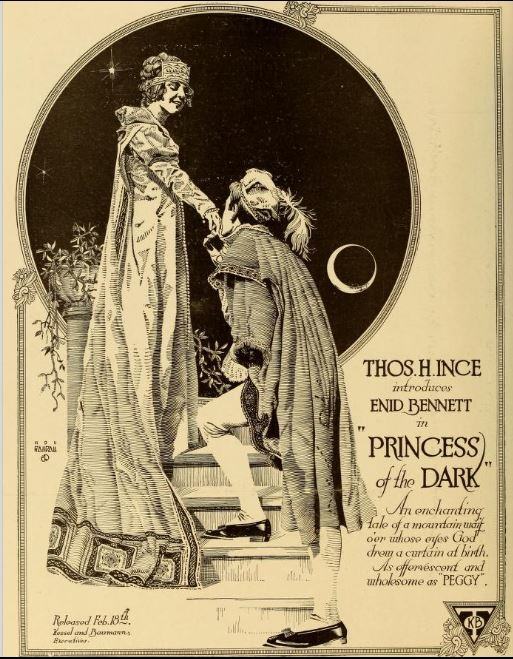
Director's Spotlight: United States
A Deep Dive into the 1917 Vision of Charles Miller
The enduring fascination with Princess of the Dark is a testament to the artistic risks taken by Charles Miller that eventually paid off. Challenging the viewer to find meaning in the cult shadows, it reminds us of the fragility and beauty of the 1917s.
In Princess of the Dark, Charles Miller pushes the boundaries of conventional narrative. The film's unique approach to its subject matter has sparked endless debates and interpretations among cinephiles and critics alike.
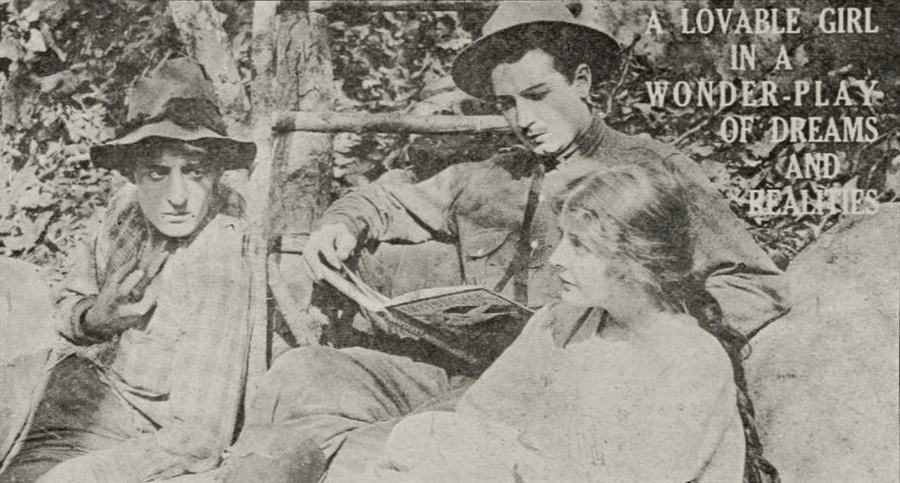
To fully appreciate Princess of the Dark, one must consider the cinematic climate of 1917. During this period, United States was undergoing significant artistic shifts, and Charles Miller was at the forefront of this cult movement, often challenging established norms.
| Cinematography | Handheld |
| Soundtrack | Diegetic |
| Editing | Rhythmic |
| Art Direction | Naturalist |
Visualizing the convergence of Charles Miller's style and the core cult narrative.
In a squalid mining town in West Virginia James Herron, a consumptive, has built a shack in the hope that the mountain air may prolong his life. With him dwells his daughter, Fay, whom he idolizes. Fay, who has been blind from her birth, has a wonderful imagination. Even the town and its sordid inhabitants become invested with romance and take their part in the stories of adventures that her father reads to her. While Fay goes about with security and fearlessness, which causes the ignorant to regard her with almost religious respect, her inner life is in sharp contrast. She has secret haunts, where she hides, and in thought recreates fairyland. Her favorite retreat is a cavern formed by an old abandoned tunnel which she peoples with knights and princesses, gnomes and fairy guardians. The one thing lacking is the Prince. And one day he comes. The "Prince" is a hunchback, "Crip" Halloran, the son of the village drunkard, who stumbles into Fay's imaginary fairyland, and is at once endowed by her with every heroic attribute. Finally Fay's father passes away and Fay becomes a drudge in the hut of ignorant aliens, and the meetings between her and the Prince are few and far between, and "Crip" is almost heartbroken. Jack Rockwell, son of a rich mine owner, comes to look after his property. Chance throws him in contact with Fay, and he becomes infatuated with her charm and idealism. He is admitted to the kingdom and gradually dethrones "Crip," to the hunchback's bitter distress. In love and pity for Fay's misfortune, Rockwell secures a great oculist and an operation opens Fay's eyes to the harsh world that her fancy idealized. She sees her two devoted admirers as they really are, and shrinks with horror from the poor misshapen "Crip." Broken-hearted, the hunchback seeks the old cavern and with a revolver ends a life that holds nothing but hopeless misery. Rockwell and Fay visit their old haunt, and with years of love and happiness opening before them discover the body of the poor hunchback, who had once for a few happy hours reigned as a Prince in a fairy realm of a girl's imagination.
Decades after its release, Princess of the Dark remains a vital piece of the cinematic puzzle. Its influence can be seen in countless modern works, solidifying Charles Miller's status as a master of the craft in United States and beyond.