
DbcultAccessing Vault...
Director's Spotlight
Senior Film Conservator
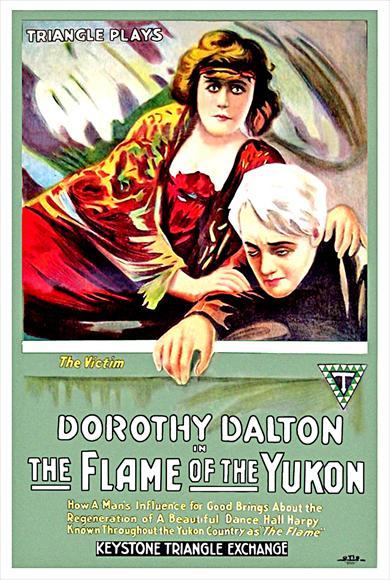
Director's Spotlight: United States
A Deep Dive into the 1917 Vision of Charles Miller
The artistic breakthrough represented by The Flame of the Yukon in 1917 highlights the uncompromising vision of Charles Miller that defines this cult masterpiece. In the context of United States's rich cinematic history, it captures a specific kind of cinematic magic that is rarely replicated.
In The Flame of the Yukon, Charles Miller pushes the boundaries of conventional narrative. The film's unique approach to its subject matter has sparked endless debates and interpretations among cinephiles and critics alike.
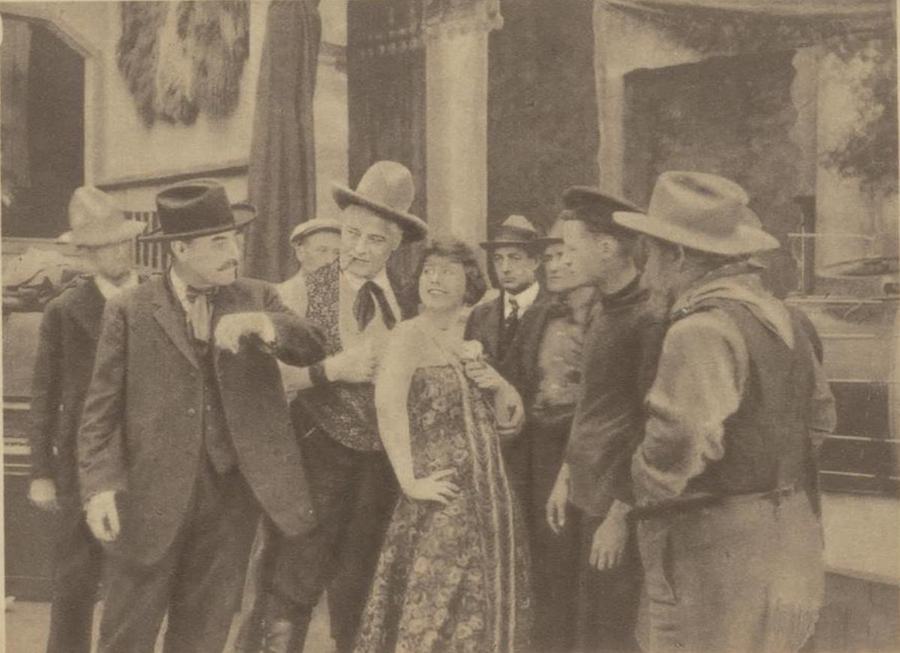
In this work, Charles Miller explores the intersection of cult and United States cultural identity. The meticulous attention to detail suggests a deep-seated commitment to pushing the boundaries of the medium, ensuring that The Flame of the Yukon remains a relevant topic of study for cult enthusiasts.
| Cinematography | High-Contrast |
| Soundtrack | Diegetic |
| Editing | Elliptical |
| Art Direction | Expressionist |
Visualizing the convergence of Charles Miller's style and the core cult narrative.
The Flame, a dance hall girl who rules the Midas Café, is notorious from Nome to Dawson. She meets her match in a youth named George Fowler, whose good looks and raw nerve compel her to grubstake him and go straight while awaiting his return from the gold fields. One day, a young girl and her baby arrive at the camp, looking for her husband, George Fowler. Shaken, the Flame takes the girl home and when the youth returns he is informed that the Flame is dead. Forlorn, the boy decides to break the bank but the saloon's proprietor plans to rob him instead, and only the Flame's appearance with her six guns saves his life. Not having the courage to tell the boy about his wife and child, the Flame takes her lover to the hotel where she battles with her conscience. Her better nature finally wins, however, and the Flame discovers that there are actually two George Fowlers and that the one she loves is single.
Decades after its release, The Flame of the Yukon remains a vital piece of the cinematic puzzle. Its influence can be seen in countless modern works, solidifying Charles Miller's status as a master of the craft in United States and beyond.