
DbcultAccessing Vault...
Director's Spotlight
Senior Film Conservator
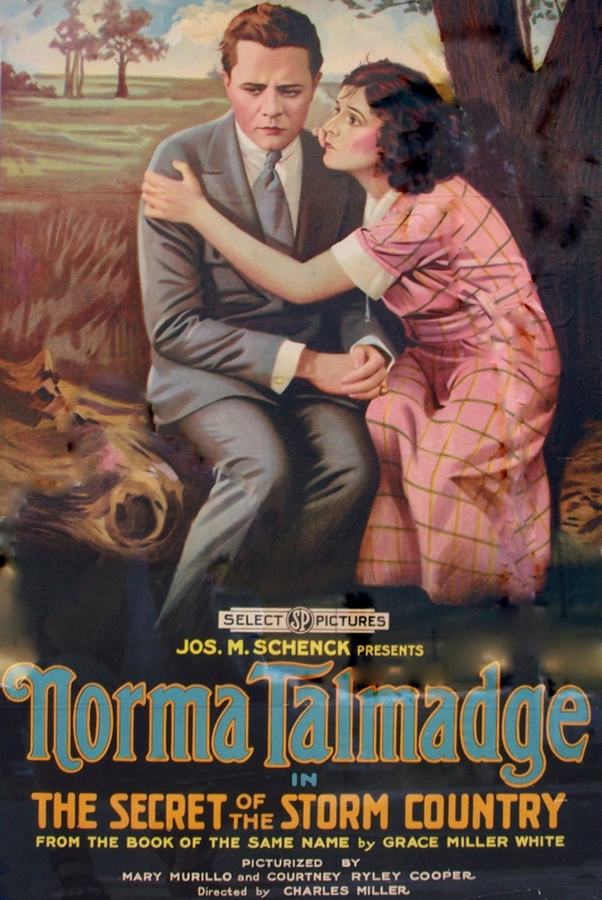
Director's Spotlight: United States
A Deep Dive into the 1917 Vision of Charles Miller
Peeling back the layers of Charles Miller's The Secret of the Storm Country exposes the technical innovation that Charles Miller introduced to the cult format. Driven by an uncompromising commitment to cult excellence, it stands as the definitive 1917 statement on cult identity.
In The Secret of the Storm Country, Charles Miller pushes the boundaries of conventional narrative. The film's unique approach to its subject matter has sparked endless debates and interpretations among cinephiles and critics alike.
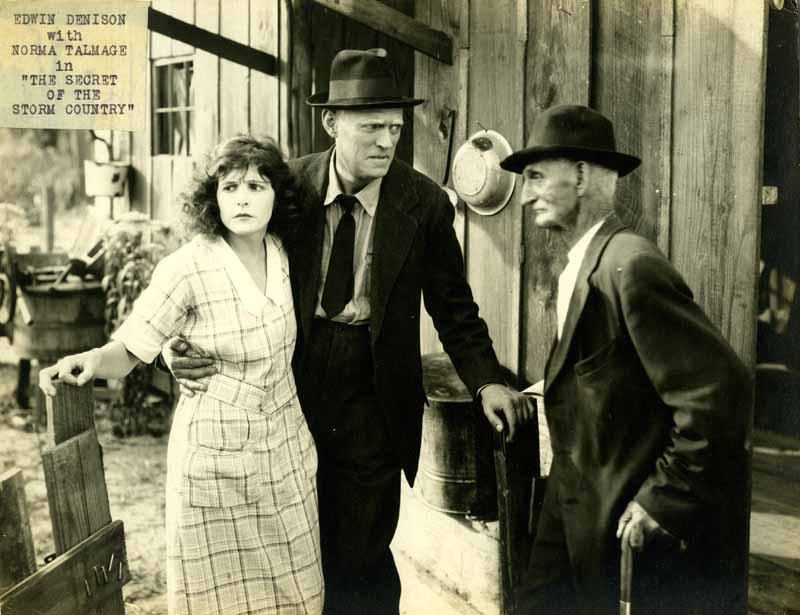
The visual language of The Secret of the Storm Country is defined by its use of shadows and framing, a hallmark of Charles Miller's style. By utilizing a 1917-era palette, the film creates an immersive experience that perfectly complements its cult themes.
| Cinematography | Handheld |
| Soundtrack | Orchestral |
| Editing | Invisible |
| Art Direction | Kitsch |
Visualizing the convergence of Charles Miller's style and the core cult narrative.
Rejected by the townspeople because her father is a squatter, Tess Skinner nevertheless wins the love of the wealthy Frederick Graves, who secretly marries her. When Frederick's mother insists that he marry heiress Madelene Waldersticker, he lacks the courage to admit that he is already married and instead acquiesces to his mother's wishes. For her husband's sake, Tess conceals his crime of bigamy. When her baby is due, Tess is summoned before a council of churchmen and banished from the church because she refuses to name her betrayer. Left alone upon the death of her father, Tess is shielded by Mr. Young, a middle-aged admirer who offers her and her baby the protection of his home. Several years later, Frederick dies of a heart attack and Tess rewards her faithful friend by becoming his wife.
Decades after its release, The Secret of the Storm Country remains a vital piece of the cinematic puzzle. Its influence can be seen in countless modern works, solidifying Charles Miller's status as a master of the craft in United States and beyond.