
DbcultAccessing Vault...
Director's Spotlight
Senior Film Conservator
Director's Spotlight: United States
A Deep Dive into the 1917 Vision of Charles Miller
In the storied career of Charles Miller, Wee Lady Betty stands as a the provocative questions that Charles Miller poses to the United States audience. Elevating the source material through Charles Miller's unique vision, it persists as a haunting reminder of our own cinematic history.
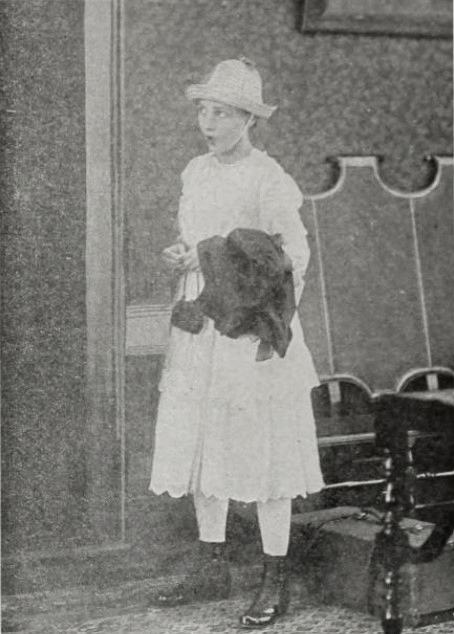
In Wee Lady Betty, Charles Miller pushes the boundaries of conventional narrative. The film's unique approach to its subject matter has sparked endless debates and interpretations among cinephiles and critics alike.
| Cinematography | Handheld |
| Soundtrack | Orchestral |
| Editing | Slow-Burn |
| Art Direction | Brutalist |
Visualizing the convergence of Charles Miller's style and the core cult narrative.
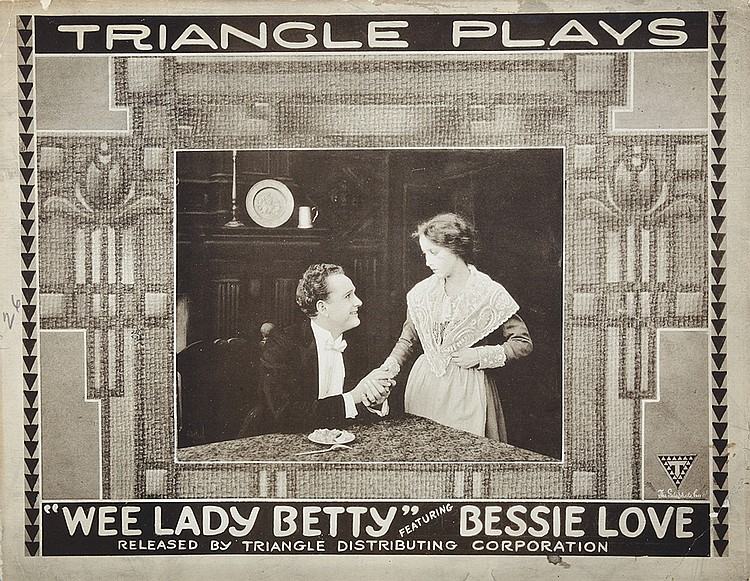
Wee Lady Betty rules the O'Reilly castle with a stern hand and a big heart until she learns that Roger, the O'Reilly heir, is coming to take possession of his estate. Unable to provide for her aged father, Betty conceives of a scheme. Feigning to leave the castle, she returns after dark with her father and installs him in the haunted chamber. The next day when Roger arrives with his mother, he is met by villagers angry at Betty's banishment. In the guise of a maid, Betty shows the O'Reillys through the castle, laying special emphasis on the haunted chamber. That night, while bringing food to her father, Betty hears Roger opening the chamber door. Attempting to frighten him away, she jumps behind a suit of armor, but he shoots at the "ghost." Meanwhile the villagers storm the castle and Roger goes to appease them. Betty saves Roger by commanding them to leave, and her future at the castle seems secure when she and Roger embrace.
Decades after its release, Wee Lady Betty remains a vital piece of the cinematic puzzle. Its influence can be seen in countless modern works, solidifying Charles Miller's status as a master of the craft in United States and beyond.