
DbcultAccessing Vault...
Director's Spotlight
Senior Film Conservator
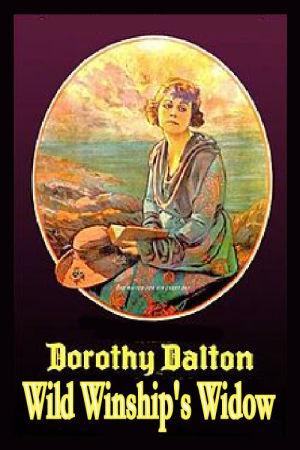
Director's Spotlight: United States
A Deep Dive into the 1917 Vision of Charles Miller
Peeling back the layers of Charles Miller's Wild Winship's Widow exposes the collaborative alchemy between Charles Miller and the 1917 creative team. Anchored by a narrative that is both personal and universal, it reinforces the idea that cinema is a medium of infinite possibilities.
In Wild Winship's Widow, Charles Miller pushes the boundaries of conventional narrative. The film's unique approach to its subject matter has sparked endless debates and interpretations among cinephiles and critics alike.
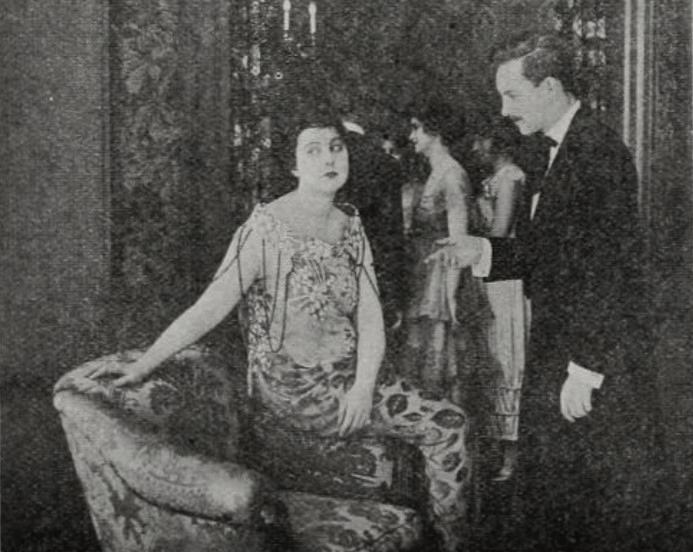
To fully appreciate Wild Winship's Widow, one must consider the cinematic climate of 1917. During this period, United States was undergoing significant artistic shifts, and Charles Miller was at the forefront of this cult movement, often challenging established norms.
| Cinematography | Deep Focus |
| Soundtrack | Synth-Heavy |
| Editing | Rhythmic |
| Art Direction | Naturalist |
Visualizing the convergence of Charles Miller's style and the core cult narrative.
Widow Catherine Winship treasures the memory of her late husband so greatly that she has given up her life to the adoration of his memory, spending her days strewing flowers on his grave. Catherine's idealism is rudely shattered, however, when she discovers a package of love letters in a secret drawer in Winship's desk. Deciding to throw aside her widow's weeds, Catherine's next hurdle is to choose a spouse from the many male admirers who are pursuing her. Among her suitors are the sentimental bore Archibald Herndon and Morley Morgan, a determined young man. After many misadventures, Morley finally beats out Herndon and marries Catherine in an impromptu ceremony at a hunting lodge.
Decades after its release, Wild Winship's Widow remains a vital piece of the cinematic puzzle. Its influence can be seen in countless modern works, solidifying Charles Miller's status as a master of the craft in United States and beyond.