
DbcultAccessing Vault...
Director's Spotlight
Senior Film Conservator
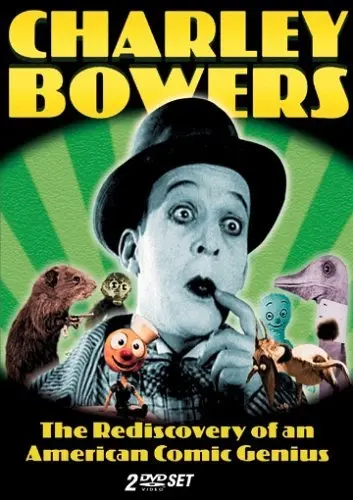
Director's Spotlight: United States
A Deep Dive into the 1927 Vision of Charles R. Bowers
To understand the modern evolution of United States film, one must first look at A Wild Roomer and the meticulous attention to detail that Charles R. Bowers applied to every frame. Reflecting the political and social shifts of the 1927s, it showcases the power of Short as a tool for social commentary.
In A Wild Roomer, Charles R. Bowers pushes the boundaries of conventional narrative. The film's unique approach to its subject matter has sparked endless debates and interpretations among cinephiles and critics alike.
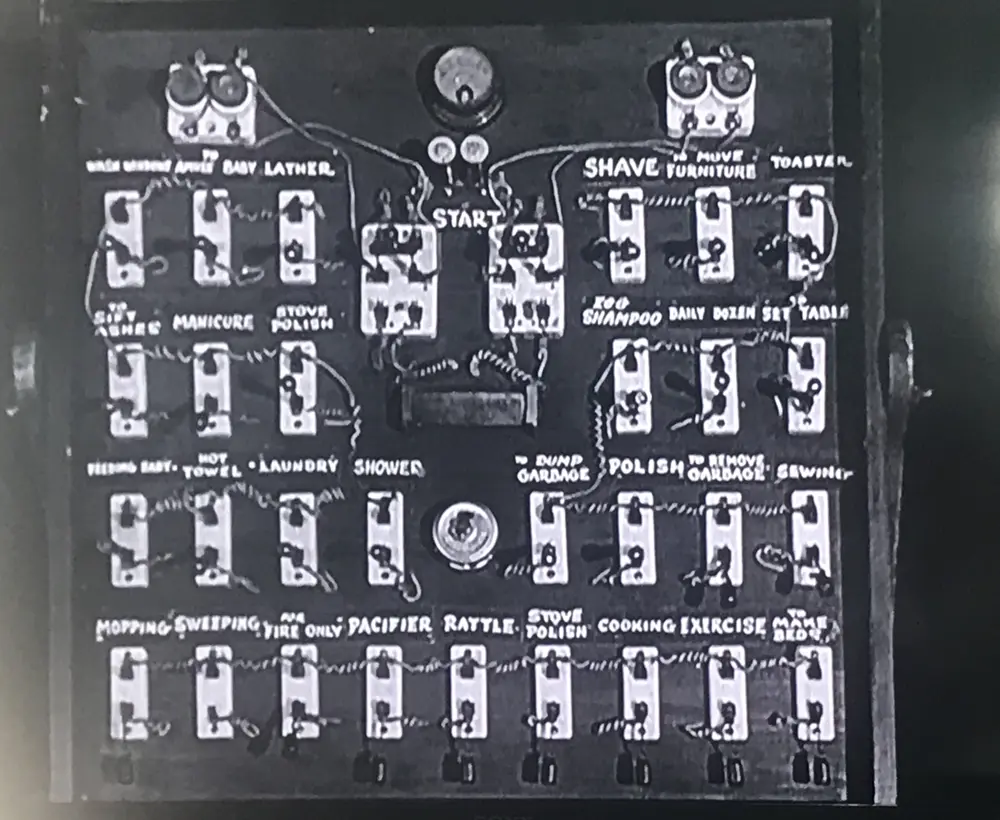
In this work, Charles R. Bowers explores the intersection of Short and United States cultural identity. The meticulous attention to detail suggests a deep-seated commitment to pushing the boundaries of the medium, ensuring that A Wild Roomer remains a relevant topic of study for Short enthusiasts.
| Cinematography | Deep Focus |
| Soundtrack | Minimalist |
| Editing | Disjunctive |
| Art Direction | Baroque |
Visualizing the convergence of Charles R. Bowers's style and the core Short narrative.
Charles Bowers is once again an eccentric inventor. This time, he has only a matter of hours to debut his extraordinary new invention in order to collect a huge bequest from his deceased father. Along the way, his evil uncle tries to sabotage the machine, so the inheritance will go to him. The invention basically does everything, including, in one sequence of near unsurpassed beauty, creating a little doll and bringing it to life by sewing a tiny little heart into its chest. The doll comes alive, and the machine dresses and feeds it.
Decades after its release, A Wild Roomer remains a vital piece of the cinematic puzzle. Its influence can be seen in countless modern works, solidifying Charles R. Bowers's status as a master of the craft in United States and beyond.