
DbcultAccessing Vault...
Director's Spotlight
Senior Film Conservator
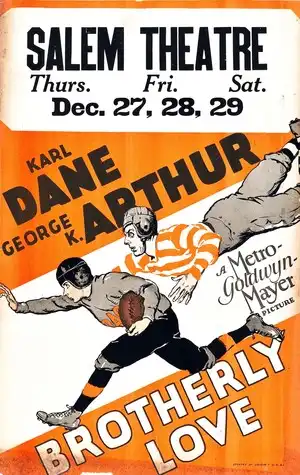
Director's Spotlight: United States
A Deep Dive into the 1928 Vision of Charles Reisner
The enduring fascination with Brotherly Love is a testament to the artistic risks taken by Charles Reisner that eventually paid off. Challenging the viewer to find meaning in the Comedy shadows, it reminds us of the fragility and beauty of the 1928s.
In Brotherly Love, Charles Reisner pushes the boundaries of conventional narrative. The film's unique approach to its subject matter has sparked endless debates and interpretations among cinephiles and critics alike.
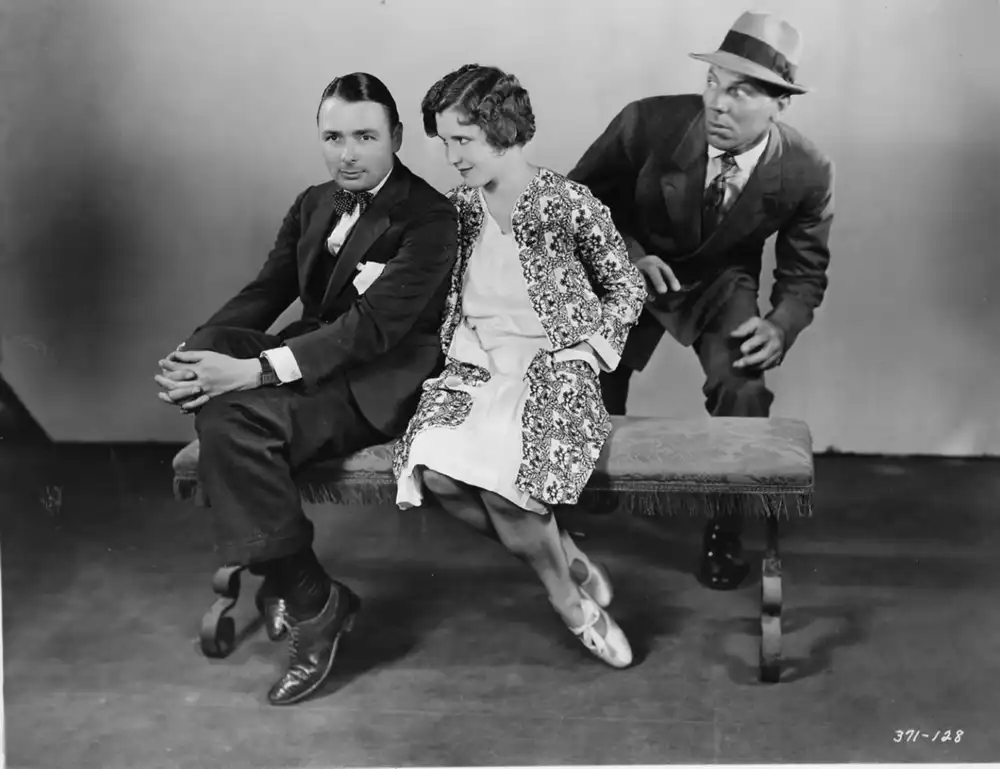
While deeply rooted in United States, Brotherly Love has achieved a global reach, influencing directors from various backgrounds. Its ability to translate Comedy tropes into a universal cinematic language is why it remains a cult staple decades after its 1928 release.
| Cinematography | Deep Focus |
| Soundtrack | Orchestral |
| Editing | Invisible |
| Art Direction | Kitsch |
Visualizing the convergence of Charles Reisner's style and the core Comedy narrative.
Oscar, a tough guard at Newberry Prison, gets into an argument with Jerry, a smallish barber. He causes Jerry to be arrested as a fugitive, and gets him sent to Newberry. It's not long before both men fall in love with Mary, the daughter of the warden. Oscar gets Jerry put on the prison football team, where he is the smallest guy there, figuring that he will look like a fool in front of Mary and then she will pick Oscar. However, things don't turn out quite the way Oscar planned.
Decades after its release, Brotherly Love remains a vital piece of the cinematic puzzle. Its influence can be seen in countless modern works, solidifying Charles Reisner's status as a master of the craft in United States and beyond.