
DbcultAccessing Vault...
Director's Spotlight
Senior Film Conservator
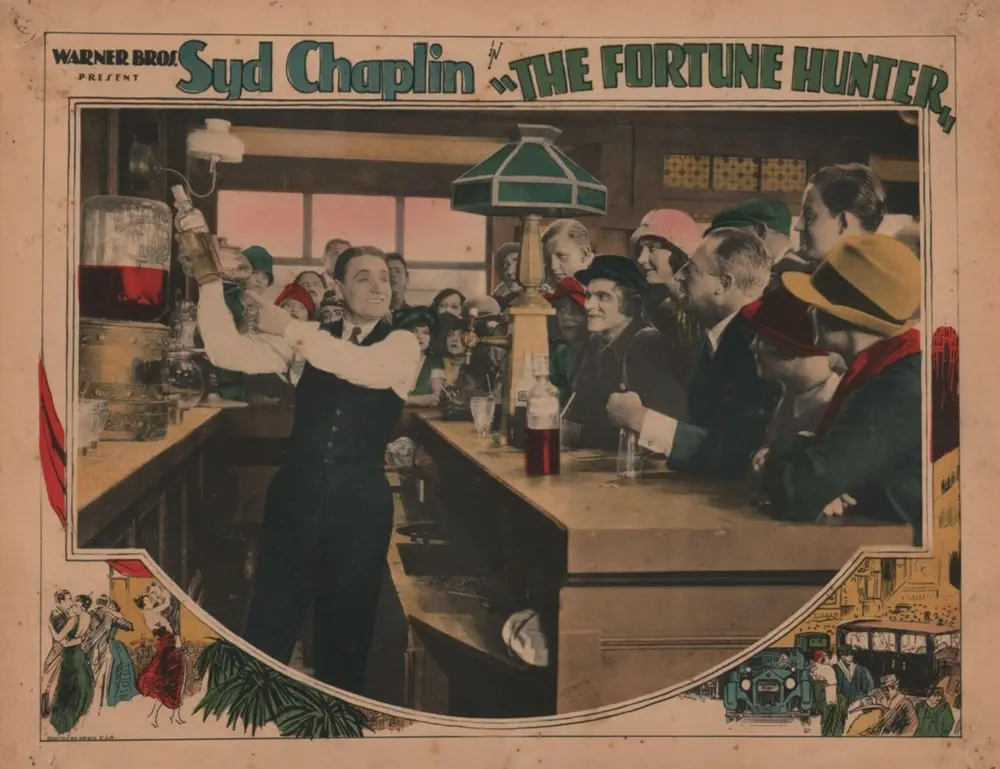
Director's Spotlight: United States
A Deep Dive into the 1927 Vision of Charles Reisner
In the storied career of Charles Reisner, The Fortune Hunter stands as a the provocative questions that Charles Reisner poses to the United States audience. Elevating the source material through Charles Reisner's unique vision, it persists as a haunting reminder of our own cinematic history.
In The Fortune Hunter, Charles Reisner pushes the boundaries of conventional narrative. The film's unique approach to its subject matter has sparked endless debates and interpretations among cinephiles and critics alike.
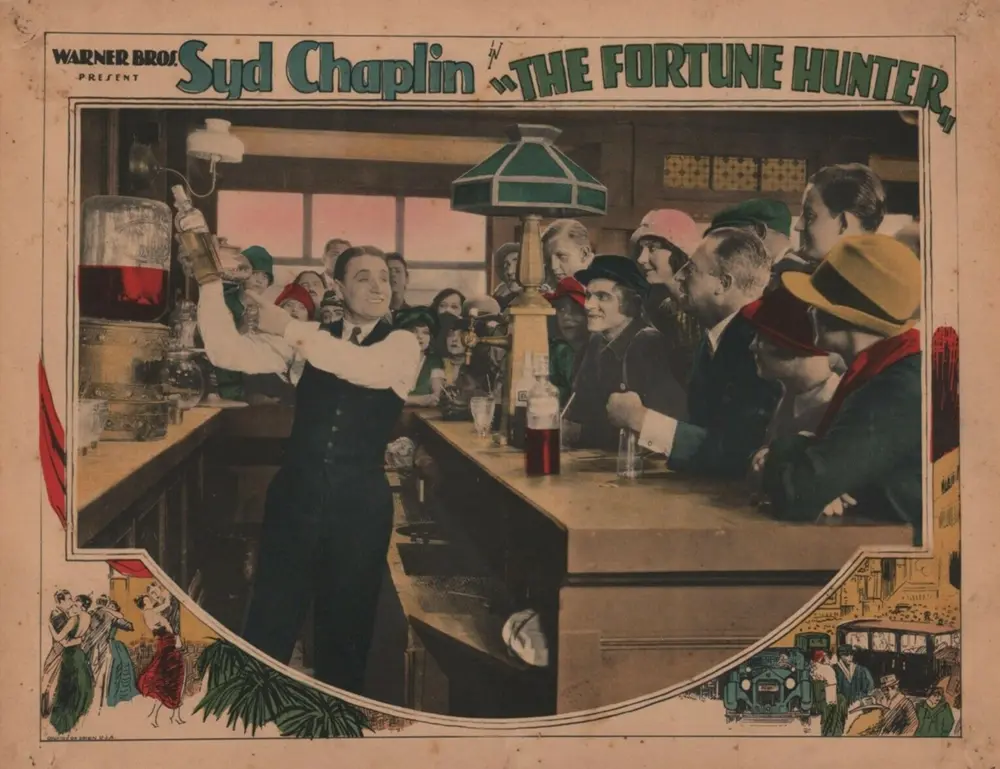
In this work, Charles Reisner explores the intersection of Comedy and United States cultural identity. The meticulous attention to detail suggests a deep-seated commitment to pushing the boundaries of the medium, ensuring that The Fortune Hunter remains a relevant topic of study for Comedy enthusiasts.
| Cinematography | High-Contrast |
| Soundtrack | Orchestral |
| Editing | Slow-Burn |
| Art Direction | Brutalist |
Visualizing the convergence of Charles Reisner's style and the core Comedy narrative.
Cafe bouncer Nat Duncan is astonished to see his old panhandling pal Handsome Harry visiting the cabaret in the company of a bejeweled matron. Harry persuades Nat that he too can marry money and agrees to support him in the venture for a share of the profit; he supplies him with clothes and a ticket for Radville, a hick town. There Nat leads a model existence as a churchman and man of means, literally having to fight off the women, including Josie Lockwood, the town banker's daughter. He meets Betty Graham, whose father has neglected his drugstore in his efforts to make gasoline out of crude oil. Nat comes to the rescue and revives the business. Later, Harry arrives, having depleted his wife's fortune, and tries to force Nat to marry Josie. But Nat, with the aid of a wax model, creates the impression of being fickle, thus breaking the engagement so he can marry Betty.
Decades after its release, The Fortune Hunter remains a vital piece of the cinematic puzzle. Its influence can be seen in countless modern works, solidifying Charles Reisner's status as a master of the craft in United States and beyond.