
DbcultAccessing Vault...
Director's Spotlight
Senior Film Conservator
Director's Spotlight: United States
A Deep Dive into the 1916 Vision of Charles Swickard
Witnessing the stylistic transformation of cult through The Beggar of Cawnpore reveals the global recognition that Charles Swickard garnered after the release of The Beggar of Cawnpore. Serving as a mirror to the anxieties of a changing world, offering layers of thematic complexity that demand repeated viewing.
In The Beggar of Cawnpore, Charles Swickard pushes the boundaries of conventional narrative. The film's unique approach to its subject matter has sparked endless debates and interpretations among cinephiles and critics alike.
While deeply rooted in United States, The Beggar of Cawnpore has achieved a global reach, influencing directors from various backgrounds. Its ability to translate cult tropes into a universal cinematic language is why it remains a cult staple decades after its 1916 release.
| Cinematography | High-Contrast |
| Soundtrack | Synth-Heavy |
| Editing | Disjunctive |
| Art Direction | Baroque |
Visualizing the convergence of Charles Swickard's style and the core cult narrative.
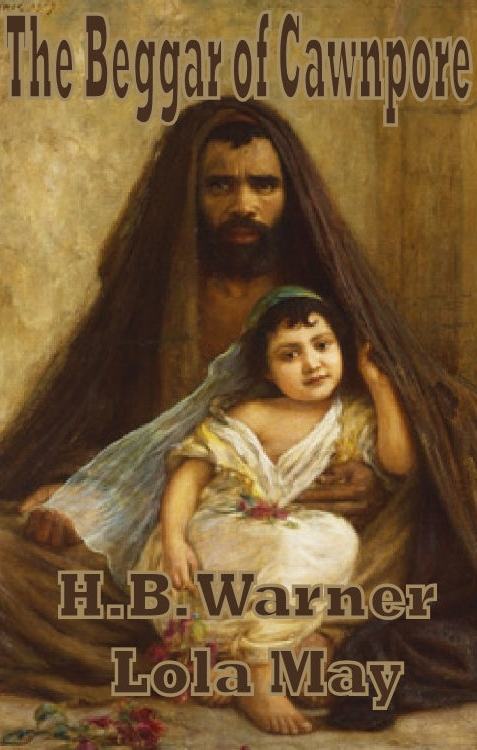
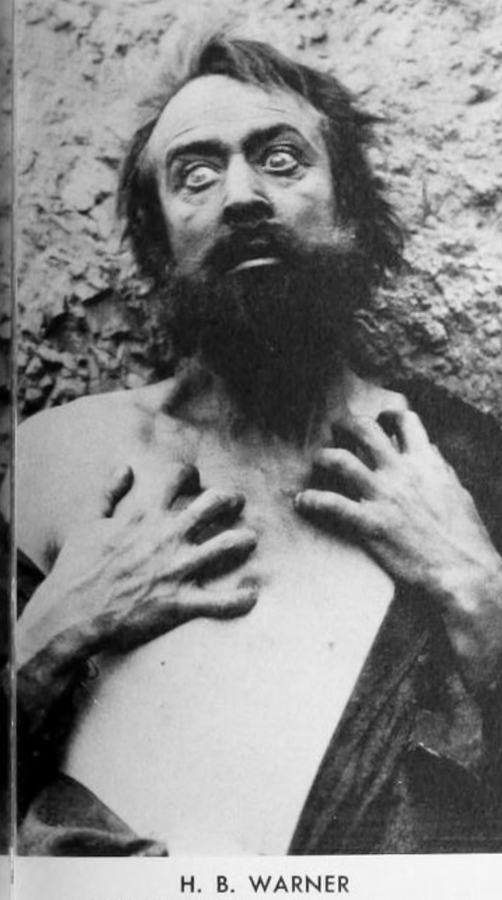
British army doctor Robert Lowndes battles a cholera epidemic at a small fort in Cawnpore, India, in the 1850s. When he catches a fever he begins to take morphine in order to continue treating his patients. Unfortunately he becomes an addict. He is supported by his girlfriend Betty Archer, but a rival suitor, Capt. Guy Douglas, is determined to get Lowndes out of the picture any way he can, including giving him drugs. Matters are further complicated by the outbreak of the Sepoy Rebellion, a nationwide mutiny of Indian soldiers in the British army, which breaks out in Cawnpore.
Decades after its release, The Beggar of Cawnpore remains a vital piece of the cinematic puzzle. Its influence can be seen in countless modern works, solidifying Charles Swickard's status as a master of the craft in United States and beyond.