
DbcultAccessing Vault...
Director's Spotlight
Senior Film Conservator
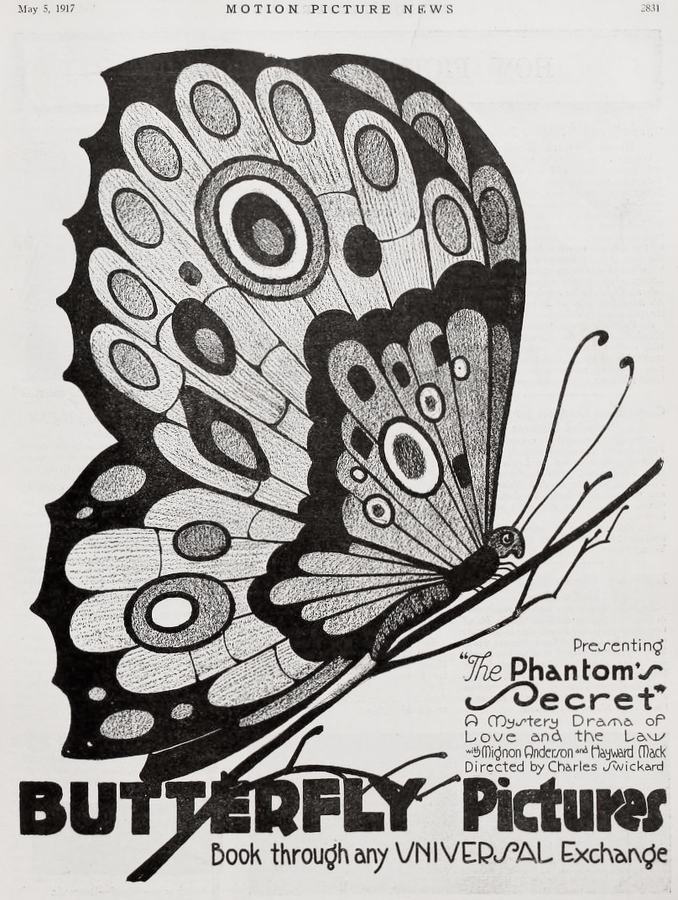
Director's Spotlight: United States
A Deep Dive into the 1917 Vision of Charles Swickard
The enduring fascination with The Phantom's Secret is a testament to the artistic risks taken by Charles Swickard that eventually paid off. Challenging the viewer to find meaning in the cult shadows, it reminds us of the fragility and beauty of the 1917s.
In The Phantom's Secret, Charles Swickard pushes the boundaries of conventional narrative. The film's unique approach to its subject matter has sparked endless debates and interpretations among cinephiles and critics alike.
| Cinematography | Noir-Inspired |
| Soundtrack | Minimalist |
| Editing | Disjunctive |
| Art Direction | Baroque |
Visualizing the convergence of Charles Swickard's style and the core cult narrative.
At the death of Count de Beaulieu, his daughter Jeanne learns that her father had been the arch criminal known as The Phantom. The only other person who knew her father's identity was his lieutenant, Franz Leroux, who now demands that Jeanne marry him in return for his silence. She agrees and they go to America where Jeanne meets an old friend, Jane Elliot. Jeanne confides her secret to Jane, and the two decide to flee to Florida. When en route their train is wrecked and Jane killed, Jeanne, in order to protect herself from her criminal husband, assumes Jane's identity. Posing as Jane, she visits the Marstons and falls in love with Henry Marston. Soon after, Leroux arrives and Jeanne is forced to tell her story. While explanations are in progress, one of Leroux's confederates, whom he had double-crossed, kills the criminal. Henry then forgives Jeanne her deception and together they begin a new life.
Decades after its release, The Phantom's Secret remains a vital piece of the cinematic puzzle. Its influence can be seen in countless modern works, solidifying Charles Swickard's status as a master of the craft in United States and beyond.