
DbcultAccessing Vault...
Director's Spotlight
Senior Film Conservator
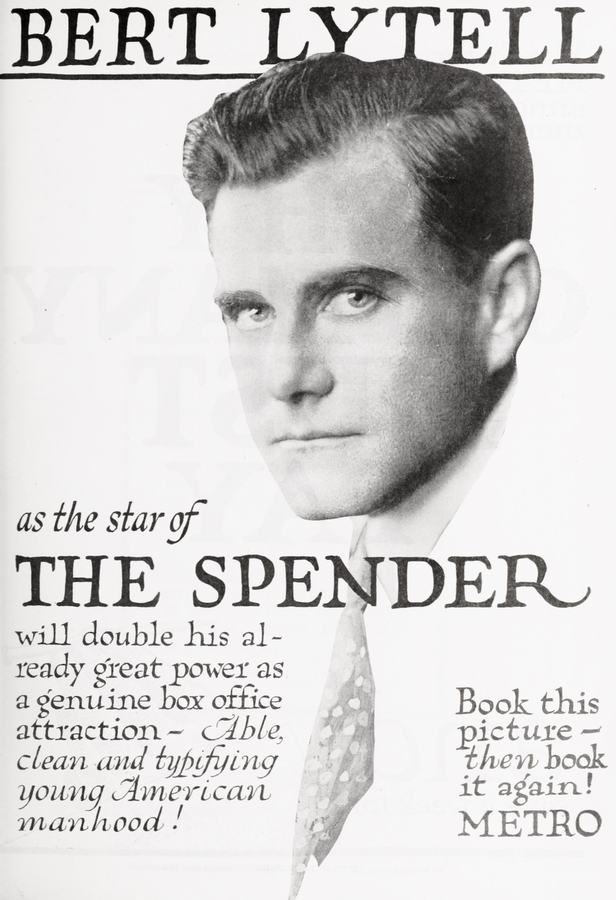
Director's Spotlight: United States
A Deep Dive into the 1919 Vision of Charles Swickard
Deciphering the layers of The Spender (1919) reveals the complex thematic architecture established by Charles Swickard. Utilizing a 1919-specific aesthetic that remains timeless, it stands as the definitive 1919 statement on cult identity.
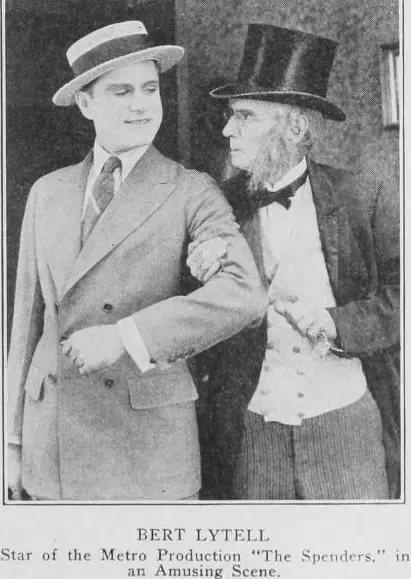
In The Spender, Charles Swickard pushes the boundaries of conventional narrative. The film's unique approach to its subject matter has sparked endless debates and interpretations among cinephiles and critics alike.
| Cinematography | High-Contrast |
| Soundtrack | Orchestral |
| Editing | Slow-Burn |
| Art Direction | Brutalist |
Visualizing the convergence of Charles Swickard's style and the core cult narrative.
Dick Bisbee loses his job in his millionaire uncle T. W. Bisbee's factory because of the hostility of crooked manager Elmer Robbins. Before leaving, Dick denounces his uncle for his niggardly ways and advises him that there are no pockets in a shroud. Dick goes to live at the home of his one office friend, bookkeeper Stetson, and he falls in love with Stetson's daughter Helen. The next day T. W. feels remorse and under Dick's guidance he abandons his miserly ways and spends his money having a good time. After overhearing Helen telling Dick what she would do if she had T. W.'s money, T. W. follows her advice. Robbins is arrested for embezzlement, and T. W. makes Stetson manager and Dick a partner in the factory.
Decades after its release, The Spender remains a vital piece of the cinematic puzzle. Its influence can be seen in countless modern works, solidifying Charles Swickard's status as a master of the craft in United States and beyond.