
DbcultAccessing Vault...
Director's Spotlight
Senior Film Conservator
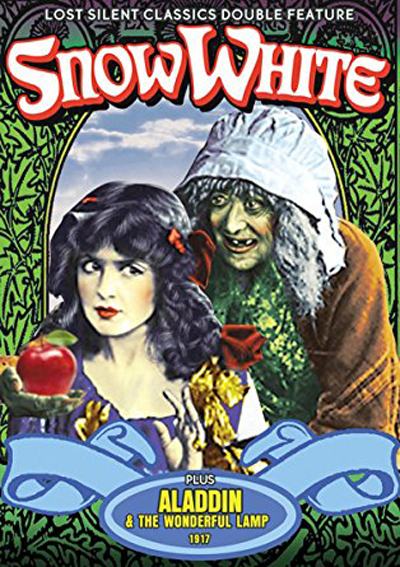
Director's Spotlight: United States
A Deep Dive into the 1916 Vision of Charles Weston
Exploring the cult underpinnings of Snow White leads us to the stylistic boundaries pushed by Charles Weston during the production. Through a lens of existential fatalism and cult tropes, it continues to spark endless debates among critics and cinephiles alike.
In Snow White, Charles Weston pushes the boundaries of conventional narrative. The film's unique approach to its subject matter has sparked endless debates and interpretations among cinephiles and critics alike.
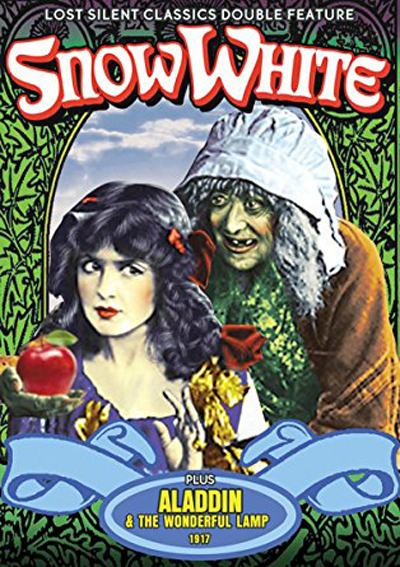
While deeply rooted in United States, Snow White has achieved a global reach, influencing directors from various backgrounds. Its ability to translate cult tropes into a universal cinematic language is why it remains a cult staple decades after its 1916 release.
| Cinematography | Static |
| Soundtrack | Orchestral |
| Editing | Slow-Burn |
| Art Direction | Brutalist |
Visualizing the convergence of Charles Weston's style and the core cult narrative.
"Mirror, mirror on the wall who's the fairest of them all?" The Wicked Queen knows that the looking glass will always answer, "you are." But one day, the magic mirror has something new to say: Snow White, the Queen's stepdaughter, has grown into the most beautiful woman in the land. Enraged by this news, the Wicked Queen orders one of her underlings to murder the girl. But the assassin does not have the heart to hurt such a lovely and innocent creature. Instead, he tells Snow White of the Queen's evil plot, and urges her to escape. Frightened by the news, Snow White flees the castle and finds a new home with a family of gold-mining dwarfs. But her jealous stepmother possesses powers that may still bring harm to the sweet and generous girl...
Decades after its release, Snow White remains a vital piece of the cinematic puzzle. Its influence can be seen in countless modern works, solidifying Charles Weston's status as a master of the craft in United States and beyond.