
DbcultAccessing Vault...
Director's Spotlight
Senior Film Conservator
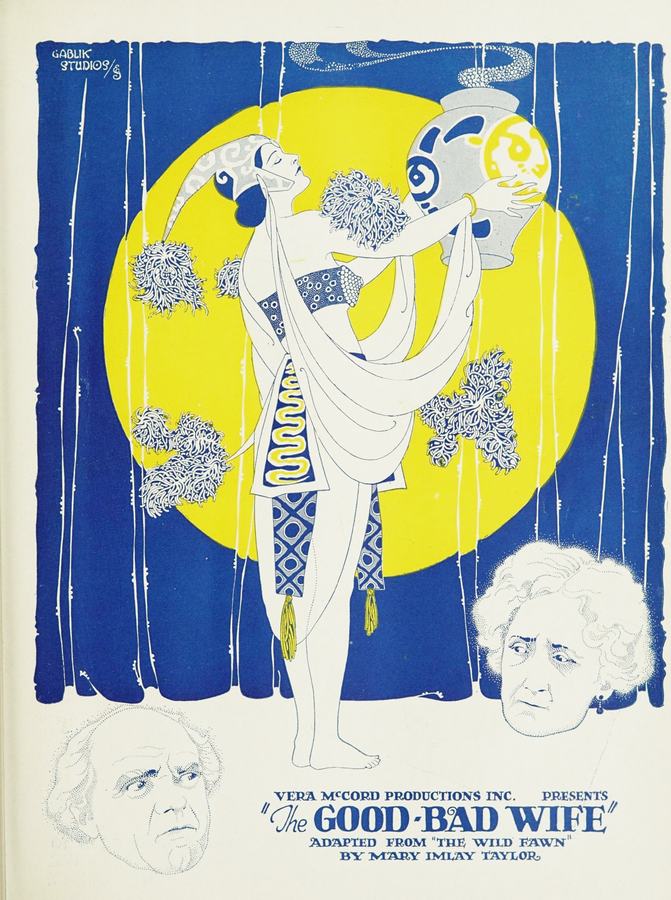
Director's Spotlight: United States
A Deep Dive into the 1920 Vision of Chester M. De Vonde
The Drama DNA of The Good-Bad Wife is a reflection of United States's the subversive storytelling techniques employed by Chester M. De Vonde in 1920. Breaking the traditional rules of Drama engagement, it leaves an indelible mark on the soul of the viewer.
In The Good-Bad Wife, Chester M. De Vonde pushes the boundaries of conventional narrative. The film's unique approach to its subject matter has sparked endless debates and interpretations among cinephiles and critics alike.
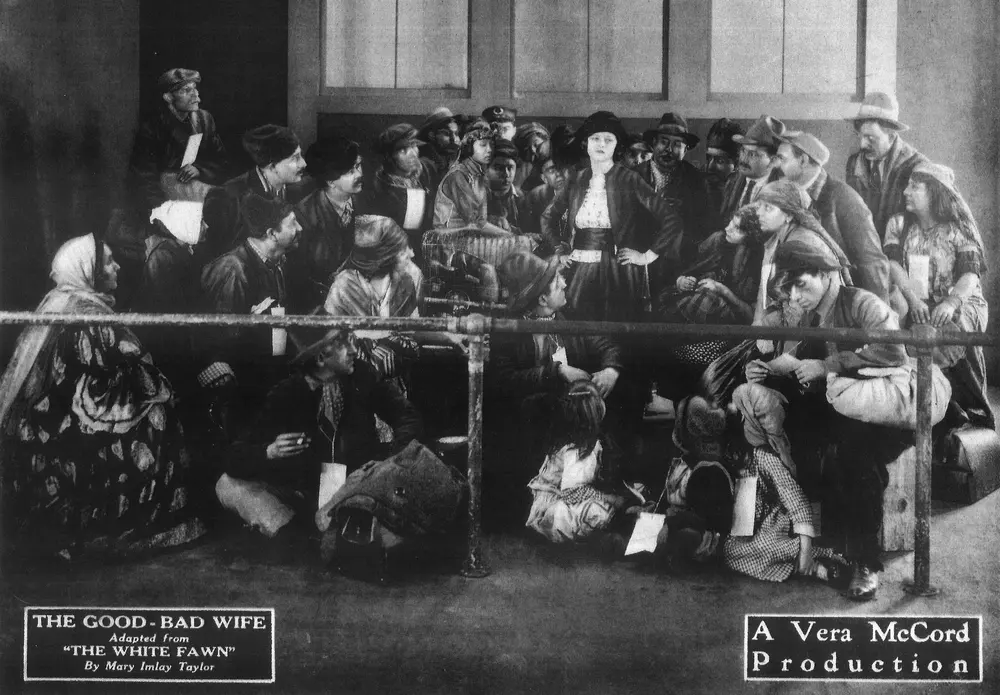
In this work, Chester M. De Vonde explores the intersection of Drama and United States cultural identity. The meticulous attention to detail suggests a deep-seated commitment to pushing the boundaries of the medium, ensuring that The Good-Bad Wife remains a relevant topic of study for Drama enthusiasts.
| Cinematography | Noir-Inspired |
| Soundtrack | Experimental |
| Editing | Elliptical |
| Art Direction | Expressionist |
Visualizing the convergence of Chester M. De Vonde's style and the core Drama narrative.
William Carter, a young Virginian in Paris, becomes enchanted with music-hall dancer Fanchon La Fare. After William reluctantly returns to America, Fanchon follows him, and when she is threatened with deportation because of an irregularity in her passport, William marries her. The marriage causes consternation in the upright Carter family, which is compounded when Fanchon performs one of her dances at a church benefit. At the conclusion of her dance, Fanchon sees a stranger in the audience and faints. Later, the same man appears at the Carter residence and demands to see her. Leigh Carter, William's younger brother, becomes angered and shoots the man. At the trial, Fanchon confesses that the stranger was her estranged husband whom she had been forced to marry as a child. The crime thus clarified, Leigh is freed, and Fanchon, who had been expelled earlier from the Carter house, is welcomed back by her husband and his family.
Decades after its release, The Good-Bad Wife remains a vital piece of the cinematic puzzle. Its influence can be seen in countless modern works, solidifying Chester M. De Vonde's status as a master of the craft in United States and beyond.