
DbcultAccessing Vault...
Director's Spotlight
Senior Film Conservator
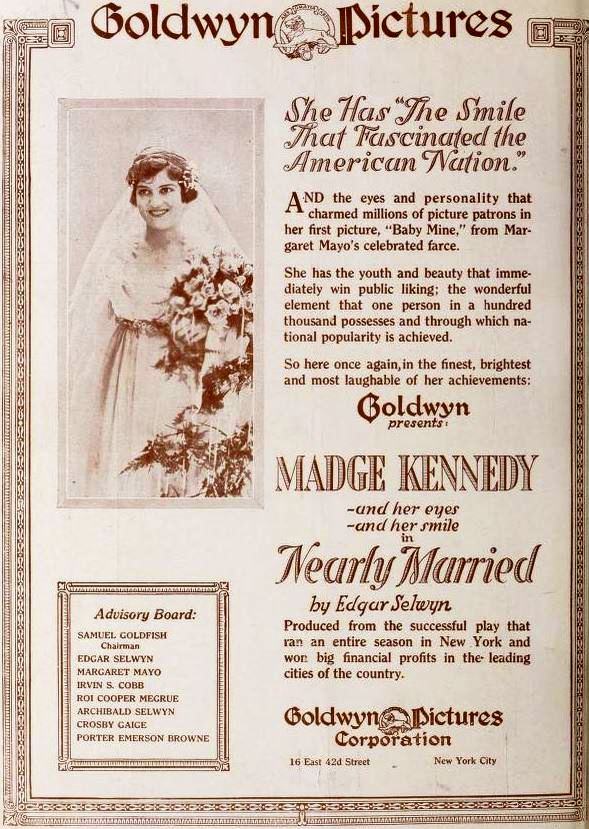
Director's Spotlight: United States
A Deep Dive into the 1917 Vision of Chester Withey
The brilliance of Nearly Married (1917) is inseparable from the visionary mind of its creator, Chester Withey. Serving as a mirror to the anxieties of a changing world, it persists as a haunting reminder of our own cinematic history.
In Nearly Married, Chester Withey pushes the boundaries of conventional narrative. The film's unique approach to its subject matter has sparked endless debates and interpretations among cinephiles and critics alike.
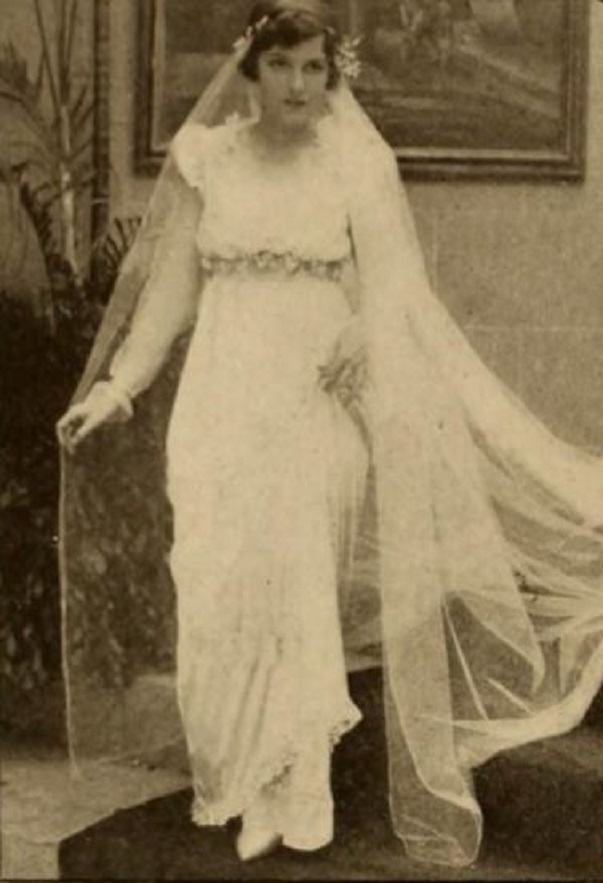
While deeply rooted in United States, Nearly Married has achieved a global reach, influencing directors from various backgrounds. Its ability to translate cult tropes into a universal cinematic language is why it remains a cult staple decades after its 1917 release.
| Cinematography | Noir-Inspired |
| Soundtrack | Minimalist |
| Editing | Slow-Burn |
| Art Direction | Brutalist |
Visualizing the convergence of Chester Withey's style and the core cult narrative.
Betty Griffon delays her wedding to Harry Lindsey, because her brother Dick is late for the ceremony. Upon learning that her dear brother has been injured in an accident, Betty refuses to leave on her honeymoon until he has recovered. When Harry objects, Betty proclaims that he is insensitive and demands a divorce. To oblige his wife, Harry hires his friend Tom Robinson to testify as corespondent in a divorce case, and a separation is granted. Betty and Harry realize that they really love each other too late and decide to remarry, but are prevented from doing so by the divorce papers which forbids Harry from marrying again. They finally decide to circumvent the New York law by becoming really married in New Jersey, and all ends happily.
Decades after its release, Nearly Married remains a vital piece of the cinematic puzzle. Its influence can be seen in countless modern works, solidifying Chester Withey's status as a master of the craft in United States and beyond.