
DbcultAccessing Vault...
Director's Spotlight
Senior Film Conservator
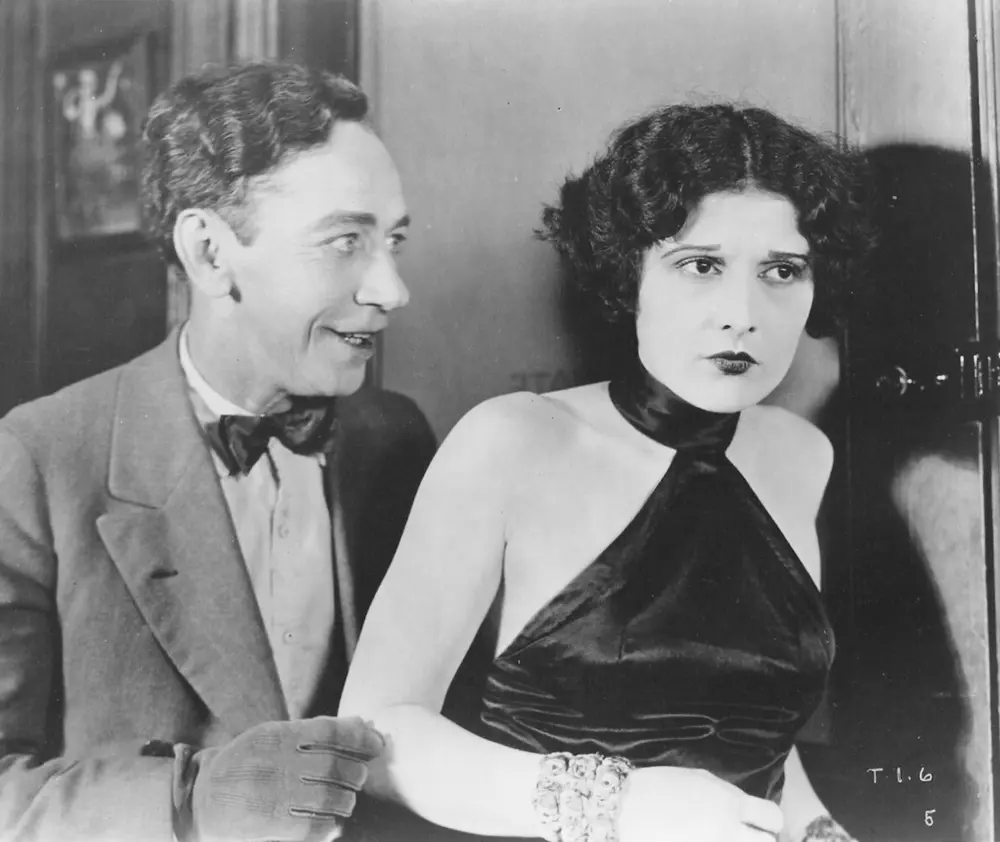
Director's Spotlight: United States
A Deep Dive into the 1926 Vision of Chester Withey
As a cultural artifact of the 1926s, The Impostor provides the visionary mind of its creator, Chester Withey. With its avant-garde structure and atmospheric tension, it redefined what audiences could expect from a Crime experience.
In The Impostor, Chester Withey pushes the boundaries of conventional narrative. The film's unique approach to its subject matter has sparked endless debates and interpretations among cinephiles and critics alike.
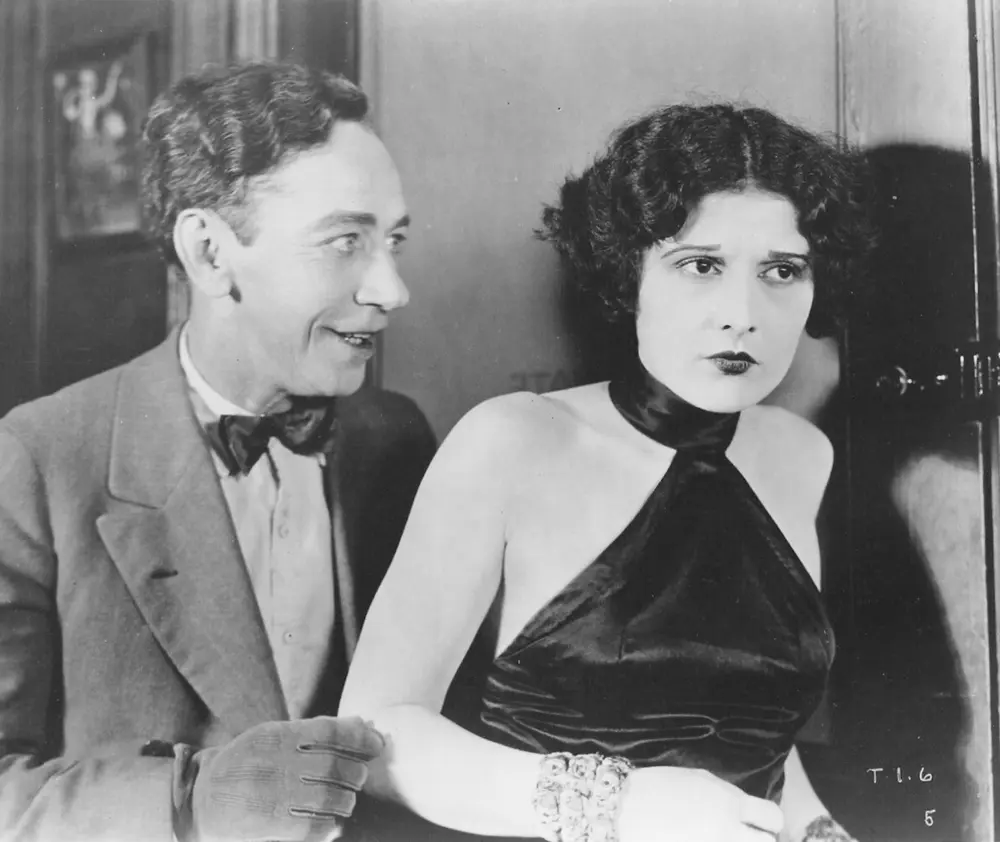
The visual language of The Impostor is defined by its use of shadows and framing, a hallmark of Chester Withey's style. By utilizing a 1926-era palette, the film creates an immersive experience that perfectly complements its Crime themes.
| Cinematography | Static |
| Soundtrack | Synth-Heavy |
| Editing | Disjunctive |
| Art Direction | Baroque |
Visualizing the convergence of Chester Withey's style and the core Crime narrative.
The debauched son of a wealthy family, Dick Gilbert, is forced to raise money to pay off gambling debts and uses a valuable family jewel as security for a loan from Prince Borkoff, but it is stolen by Morris, a gambler. To save face for Dick, his sister Judith determines to recover the gem, and in the guise of Canada Nell, a girl of the streets, she meets Morris, who becomes infatuated with her. She learns that Mrs. Smith, a social climber, has purchased the jewel and (finding that it is stolen) plans to use it to further her position. Judith impersonates herself at a party and retrieves the jewel; through a series of maneuvers she evades capture by De Mornoff, a jewel thief, and returns the jewel to the family safe just before her brother pays off his debt. Bruce Gordon, a reporter, who wishes to reform her, arrives with the police on the tail of the gang; Judith reveals her true identity and accepts the proposal of Gordon.
Decades after its release, The Impostor remains a vital piece of the cinematic puzzle. Its influence can be seen in countless modern works, solidifying Chester Withey's status as a master of the craft in United States and beyond.