
DbcultAccessing Vault...
Director's Spotlight
Senior Film Conservator
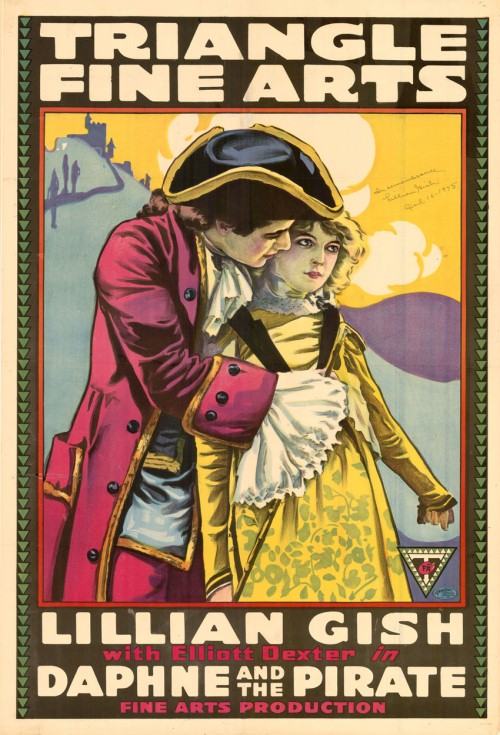
Director's Spotlight: United States
A Deep Dive into the 1916 Vision of Christy Cabanne
To understand the modern evolution of United States film, one must first look at Daphne and the Pirate and the meticulous attention to detail that Christy Cabanne applied to every frame. Reflecting the political and social shifts of the 1916s, it showcases the power of cult as a tool for social commentary.
In Daphne and the Pirate, Christy Cabanne pushes the boundaries of conventional narrative. The film's unique approach to its subject matter has sparked endless debates and interpretations among cinephiles and critics alike.
While deeply rooted in United States, Daphne and the Pirate has achieved a global reach, influencing directors from various backgrounds. Its ability to translate cult tropes into a universal cinematic language is why it remains a cult staple decades after its 1916 release.
| Cinematography | Noir-Inspired |
| Soundtrack | Orchestral |
| Editing | Invisible |
| Art Direction | Kitsch |
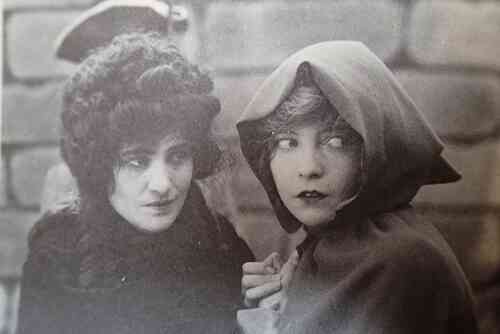
Visualizing the convergence of Christy Cabanne's style and the core cult narrative.
Philip de Mornay, a courtier in the French royal court of the 18th century, falls in love with Daphne La Tour, the daughter of a nobleman. Knowing that her family would never approve of their marriage, he takes her and hides her in a brothel, but is soon captured by pirates. Soldiers looking for women to bring with them to a settlement across the ocean in Louisiana raid the brothel and take the girls, including Daphne. Later on the trip to the new world their ship is attacked by pirates--and she discovers that her lover Philip is on board the pirate ship.
Decades after its release, Daphne and the Pirate remains a vital piece of the cinematic puzzle. Its influence can be seen in countless modern works, solidifying Christy Cabanne's status as a master of the craft in United States and beyond.