
DbcultAccessing Vault...
Director's Spotlight
Senior Film Conservator
Director's Spotlight: United States
A Deep Dive into the 1915 Vision of Christy Cabanne
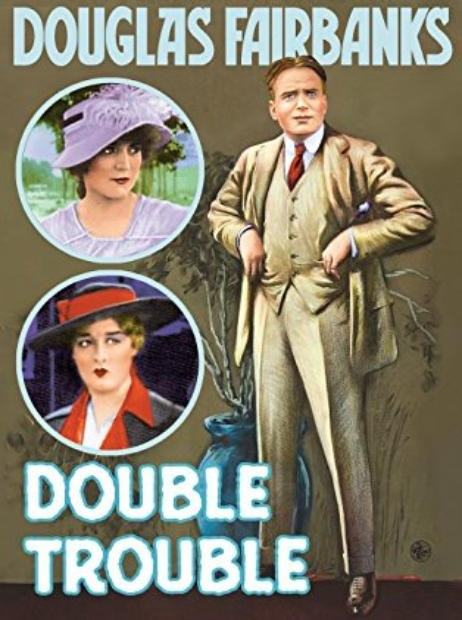
The thematic gravity of Double Trouble (1915) is rooted in the artistic risks taken by Christy Cabanne that eventually paid off. Defining a new era of United States artistic expression, it demands to be seen by anyone who cares about the art of film.
In Double Trouble, Christy Cabanne pushes the boundaries of conventional narrative. The film's unique approach to its subject matter has sparked endless debates and interpretations among cinephiles and critics alike.
The visual language of Double Trouble is defined by its use of shadows and framing, a hallmark of Christy Cabanne's style. By utilizing a 1915-era palette, the film creates an immersive experience that perfectly complements its cult themes.
| Cinematography | Deep Focus |
| Soundtrack | Orchestral |
| Editing | Invisible |
| Art Direction | Kitsch |
Visualizing the convergence of Christy Cabanne's style and the core cult narrative.
Shy, timid banker Florian Amidon is assaulted, robbed, and knocked out while on vacation. When he wakes up he discovers that he's in the booming oil town of Bakerstown, has no memory of how he got there--and that there's a five-year gap in his life from the time he was robbed until that moment. He and his friend Judge Blodgett enlist the services of clairvoyant Madame Leclaire to help Florian find out what happened to him. What she discovers changes his life forever.
Decades after its release, Double Trouble remains a vital piece of the cinematic puzzle. Its influence can be seen in countless modern works, solidifying Christy Cabanne's status as a master of the craft in United States and beyond.