
DbcultAccessing Vault...
Director's Spotlight
Senior Film Conservator
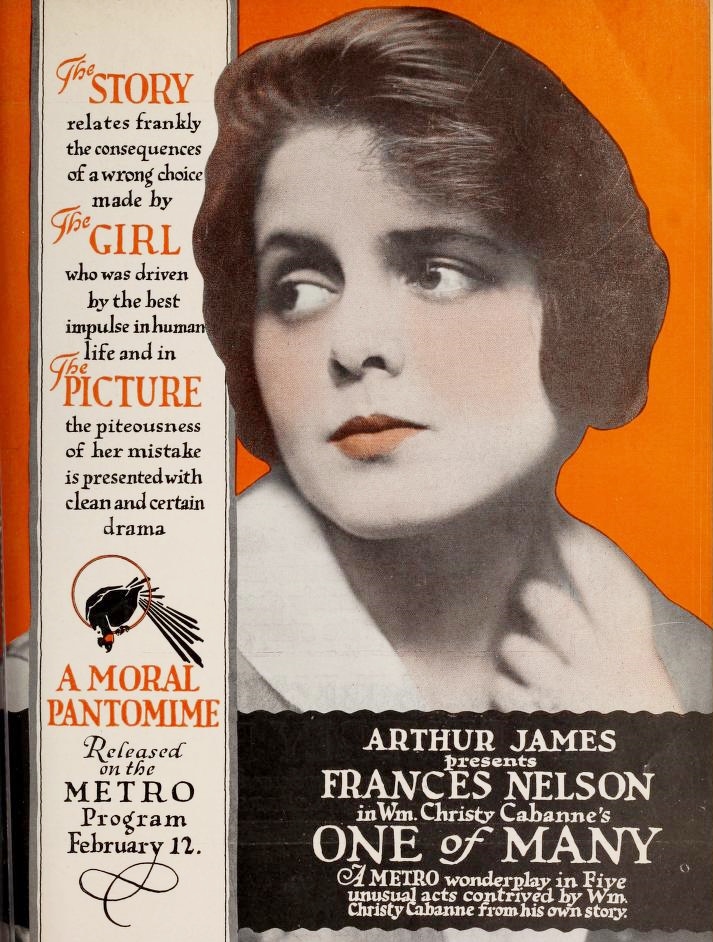
Director's Spotlight: United States
A Deep Dive into the 1917 Vision of Christy Cabanne
Peeling back the layers of Christy Cabanne's One of Many exposes the collaborative alchemy between Christy Cabanne and the 1917 creative team. Anchored by a narrative that is both personal and universal, it reinforces the idea that cinema is a medium of infinite possibilities.
In One of Many, Christy Cabanne pushes the boundaries of conventional narrative. The film's unique approach to its subject matter has sparked endless debates and interpretations among cinephiles and critics alike.
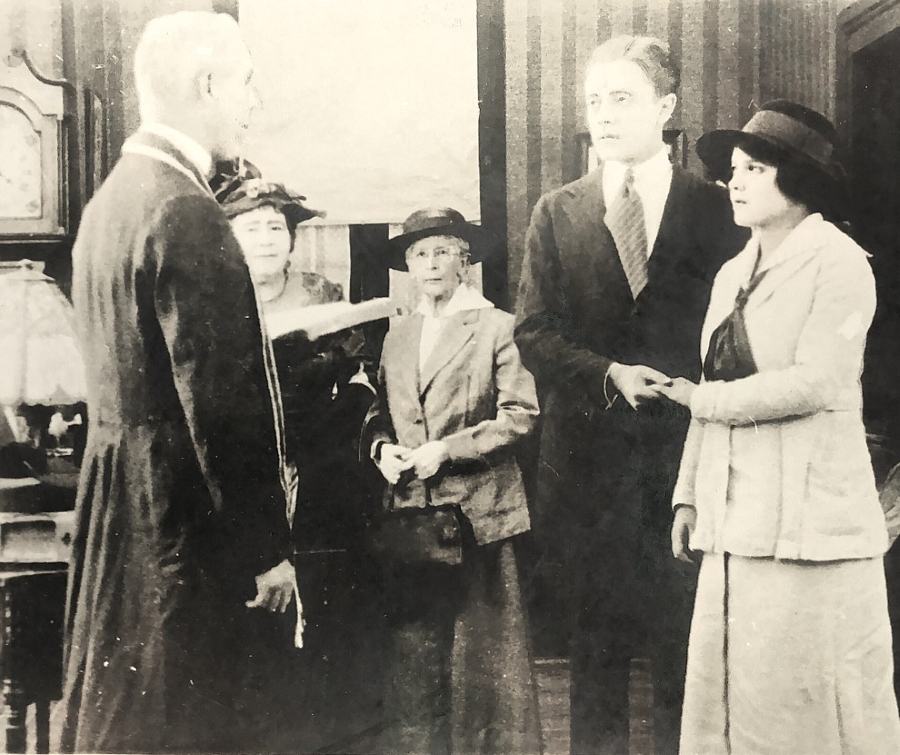
The visual language of One of Many is defined by its use of shadows and framing, a hallmark of Christy Cabanne's style. By utilizing a 1917-era palette, the film creates an immersive experience that perfectly complements its cult themes.
| Cinematography | High-Contrast |
| Soundtrack | Minimalist |
| Editing | Disjunctive |
| Art Direction | Baroque |
Visualizing the convergence of Christy Cabanne's style and the core cult narrative.
The home of Mrs. Bryson and her two daughters is happy except for the poverty that prevents the girls from sending their sick mother away to the mountains. Both help to support the household, but it is Shirley who feels the responsibility of her mother's approaching death and her worry is evident to all about her. She is employed in a manicure shop frequented by wealthy men and meets Wilfred Templeton, who invites her to dine with him. He questions her about her dejected air and she tells him of her mother's illness. This is Templeton's opportunity, and he asks her to make a bargain with him. He will give her all the money she needs and in return she is to live with him in an apartment which he will establish for her. Shirley refuses, but when her mother grows worse she yields and leads her mother and her sister to believe that she has married Templeton and Mrs. Bryson is happy. When James Lowery, the butler in Shirley's new home, finds that she is not married to Templeton, he forces his way into her boudoir when she is dressing. With the greatest difficulty Shirley repulses him. She informs Templeton and Lowery is discharged. Everything runs smoothly until Shirley invites her sister to visit her. Emma wants to see this wonderfully generous husband. Shirley is unable to conceal her secret, and Emma wrings a confession from her. The news so preys upon Emma's mind that she is unable to keep it a secret from her mother. Stricken at her child's dishonor, Mrs. Bryson gives up her battle for life. Shirley leaves Templeton and goes to work as a cabaret entertainer. Lowery again forces his attentions upon her. He openly insults her and a young man at a nearby table comes to her rescue. The man is Harold Templeton, "Wilfred's son, who is the "black sheep" of the family, and is living away from home. The acquaintance finally ripens into real affection. The young people are married, but their happiness is clouded by the girl's fear that her husband will discover the truth about her past life. The expected happens when Wilfred Templeton forgives his son and comes to call on him and his bride. Shirley and her husband's father are brought face to face, and their manner accuses them before either makes a confession. Harold turns against his wife. Later, however, his better nature asserts itself, and he drives his father away. Realizing Shirley's mistake was made, not for her own sake, but for her mother's, he forgives her and takes her into his arms.
Decades after its release, One of Many remains a vital piece of the cinematic puzzle. Its influence can be seen in countless modern works, solidifying Christy Cabanne's status as a master of the craft in United States and beyond.