
DbcultAccessing Vault...
Director's Spotlight
Senior Film Conservator
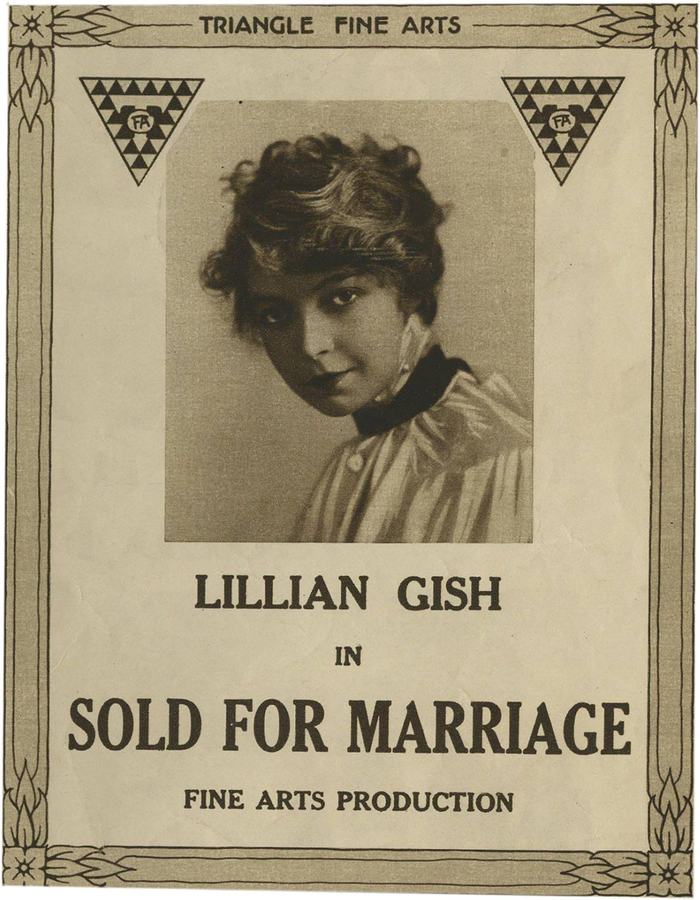
Director's Spotlight: United States
A Deep Dive into the 1916 Vision of Christy Cabanne
The cult DNA of Sold for Marriage is a reflection of United States's the subversive storytelling techniques employed by Christy Cabanne in 1916. Breaking the traditional rules of cult engagement, it leaves an indelible mark on the soul of the viewer.
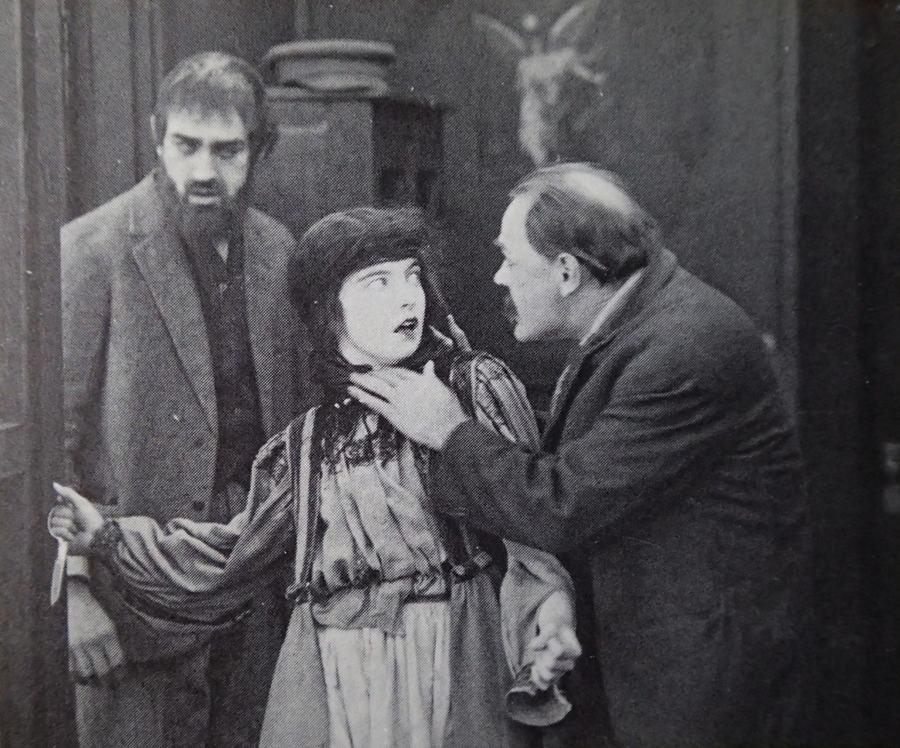
In Sold for Marriage, Christy Cabanne pushes the boundaries of conventional narrative. The film's unique approach to its subject matter has sparked endless debates and interpretations among cinephiles and critics alike.
| Cinematography | Deep Focus |
| Soundtrack | Orchestral |
| Editing | Slow-Burn |
| Art Direction | Brutalist |
Visualizing the convergence of Christy Cabanne's style and the core cult narrative.
A poor Russian girl's beauty leads her unscrupulous uncle to bring her to the United States. There he is going to sell her into a marriage with a rich old man she has never met. But her lover, an returning immigrant visiting Russia from the U.S., sails on the same ship. When they arrive he learns, to his surprise, that the American police, unlike those of his native country, are not oppressors of the poor, but friends that will aid in securing the release of his beloved Maria.
Decades after its release, Sold for Marriage remains a vital piece of the cinematic puzzle. Its influence can be seen in countless modern works, solidifying Christy Cabanne's status as a master of the craft in United States and beyond.