
DbcultAccessing Vault...
Director's Spotlight
Senior Film Conservator
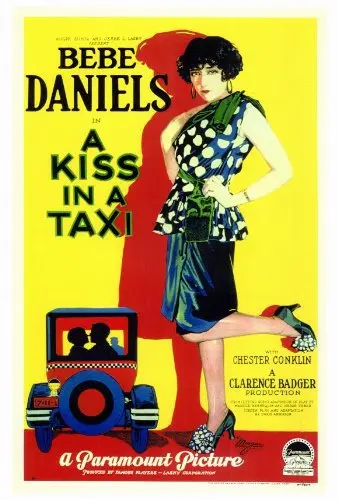
Director's Spotlight: United States
A Deep Dive into the 1927 Vision of Clarence G. Badger
Exploring the Comedy underpinnings of A Kiss in a Taxi leads us to the uncompromising vision of Clarence G. Badger that defines this Comedy masterpiece. Melding the raw energy of United States with a global Comedy appeal, it echoes the profound changes occurring in United States during that era.
In A Kiss in a Taxi, Clarence G. Badger pushes the boundaries of conventional narrative. The film's unique approach to its subject matter has sparked endless debates and interpretations among cinephiles and critics alike.
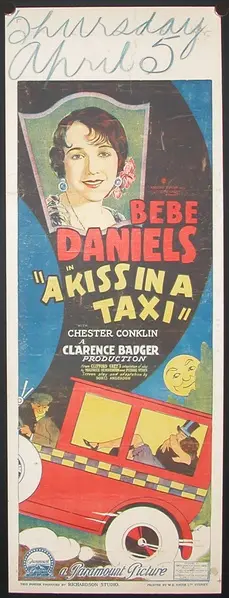
In this work, Clarence G. Badger explores the intersection of Comedy and United States cultural identity. The meticulous attention to detail suggests a deep-seated commitment to pushing the boundaries of the medium, ensuring that A Kiss in a Taxi remains a relevant topic of study for Comedy enthusiasts.
| Cinematography | Handheld |
| Soundtrack | Diegetic |
| Editing | Elliptical |
| Art Direction | Expressionist |
Visualizing the convergence of Clarence G. Badger's style and the core Comedy narrative.
Ginette, a waitress at the Café Pierre, loves Lucien, a poor artist, and objects to the attentions of others with whatever glassware is at hand, though Lucien's father forbids their marriage. While Leon Lambert and a "gay lady" are riding the boulevards, they stop at a florist's shop. At the same time, Ginette, pursued by her irate employer, runs down the boulevard and into the waiting taxi. Leon returns, offers a bouquet to the stranger, and forces a kiss; the chauffeur, losing control of the car, crashes through the cafe window. Leon buys the restaurant for Ginette, expecting her gratitude, but uses the card of Maraval, treasurer of the Artists' Society. To escape an awkward situation, Leon poses as Ginette's father, then forces Maraval to assert himself as the girl's lover; with complications resolved, the lovers are united.
Decades after its release, A Kiss in a Taxi remains a vital piece of the cinematic puzzle. Its influence can be seen in countless modern works, solidifying Clarence G. Badger's status as a master of the craft in United States and beyond.