
DbcultAccessing Vault...
Director's Spotlight
Senior Film Conservator
Director's Spotlight: United States
A Deep Dive into the 1925 Vision of Clarence G. Badger
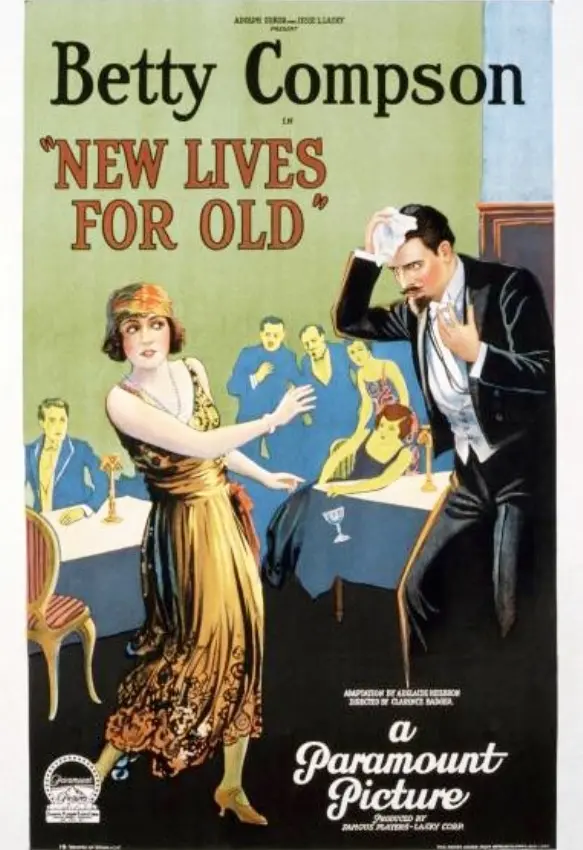
Peeling back the layers of Clarence G. Badger's New Lives for Old exposes the collaborative alchemy between Clarence G. Badger and the 1925 creative team. Anchored by a narrative that is both personal and universal, it reinforces the idea that cinema is a medium of infinite possibilities.
In New Lives for Old, Clarence G. Badger pushes the boundaries of conventional narrative. The film's unique approach to its subject matter has sparked endless debates and interpretations among cinephiles and critics alike.
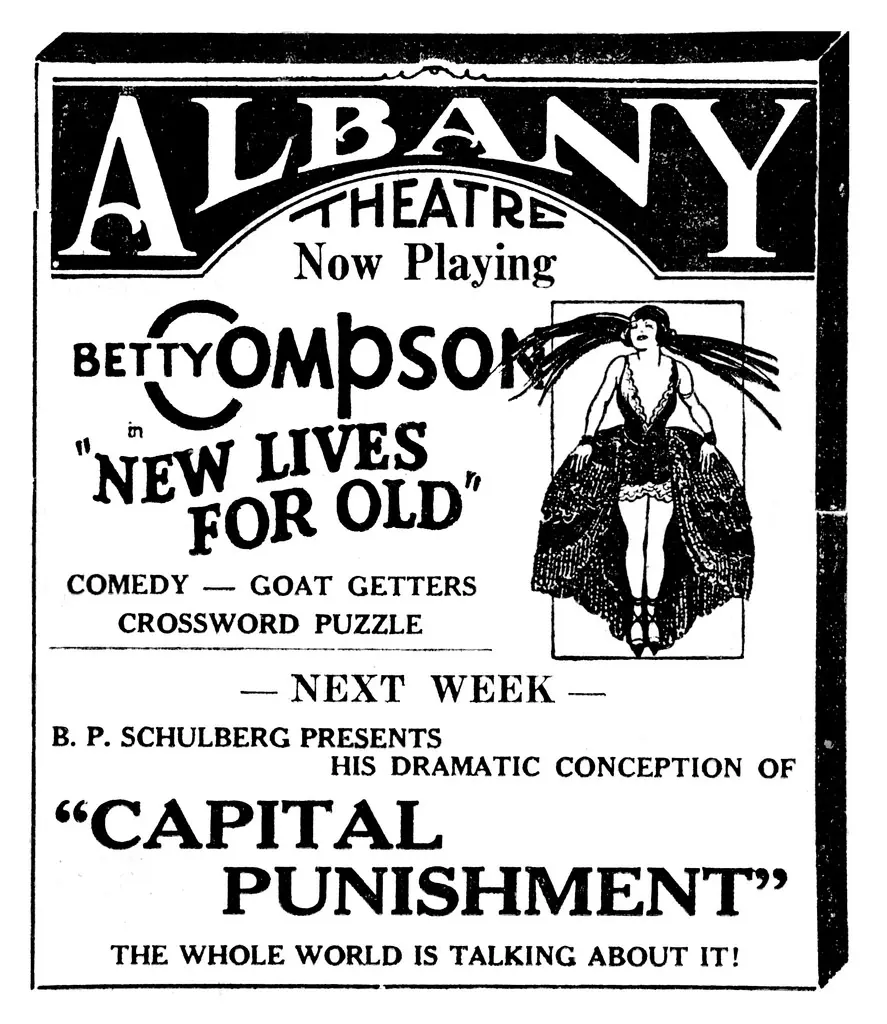
To fully appreciate New Lives for Old, one must consider the cinematic climate of 1925. During this period, United States was undergoing significant artistic shifts, and Clarence G. Badger was at the forefront of this Drama movement, often challenging established norms.
| Cinematography | High-Contrast |
| Soundtrack | Diegetic |
| Editing | Rhythmic |
| Art Direction | Naturalist |
Visualizing the convergence of Clarence G. Badger's style and the core Drama narrative.
In 1918, Olympe, a Parisian cabaret dancer, goes on holiday to her aunt's Normandy farm, where, disguised as a peasant girl, she becomes engaged to Capt. Hugh Warren of the American Expeditionary Force. Hugh goes to the front, and Olympe returns to Paris, where she is persuaded to join the French Secret Service and spy on De Montinbard, who is suspected of working for Germany. Using her charms, Olympe obtains proof of De Montinbard's guilt, but he escapes. Olympe is despised by the Parisians, who believe her to have been a traitor, and a fictitious death is arranged for her by the war ministry. Olympe, who is now known as Betty, marries Hugh in her aunt's home, and they come to the United States, where Hugh's aristocratic mother does not approve of his peasant bride. De Montinbard turns up under an alias and recognizes Olympe. She denounces him as a spy, and he denounces her as a notorious cabaret dancer. De Montinbard is arrested by French agents, Olympe is presented with the Legion of Honor, and she is finally accepted without reservation by Hugh and his proud family.
Decades after its release, New Lives for Old remains a vital piece of the cinematic puzzle. Its influence can be seen in countless modern works, solidifying Clarence G. Badger's status as a master of the craft in United States and beyond.