
DbcultAccessing Vault...
Director's Spotlight
Senior Film Conservator
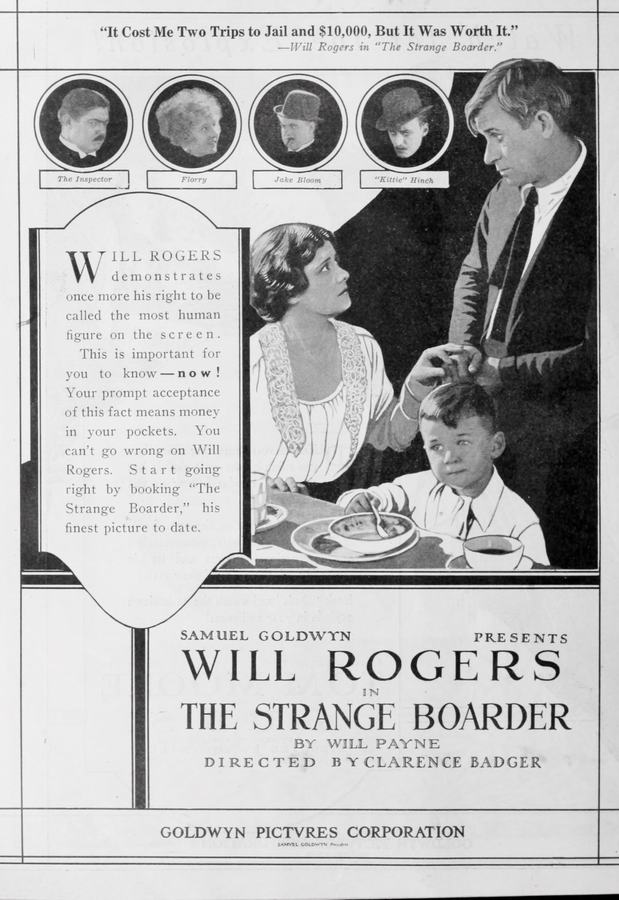
Director's Spotlight: United States
A Deep Dive into the 1920 Vision of Clarence G. Badger
The brilliance of The Strange Boarder (1920) is inseparable from the visionary mind of its creator, Clarence G. Badger. Serving as a mirror to the anxieties of a changing world, it persists as a haunting reminder of our own cinematic history.
In The Strange Boarder, Clarence G. Badger pushes the boundaries of conventional narrative. The film's unique approach to its subject matter has sparked endless debates and interpretations among cinephiles and critics alike.
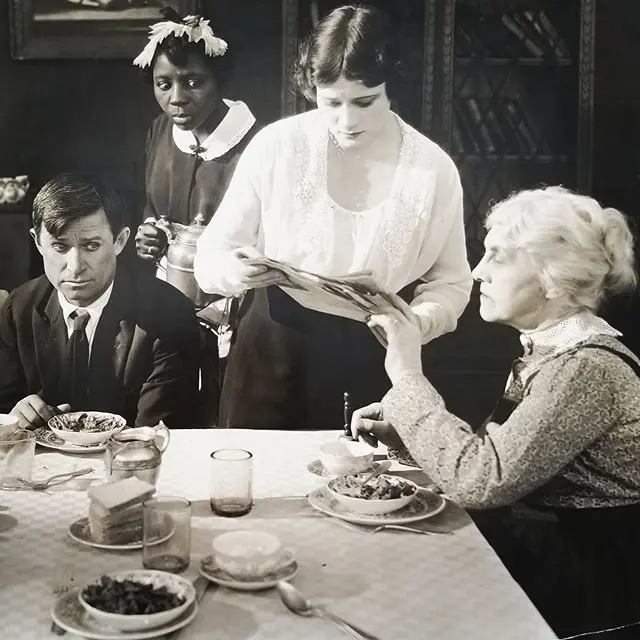
The visual language of The Strange Boarder is defined by its use of shadows and framing, a hallmark of Clarence G. Badger's style. By utilizing a 1920-era palette, the film creates an immersive experience that perfectly complements its Crime themes.
| Cinematography | Handheld |
| Soundtrack | Orchestral |
| Editing | Invisible |
| Art Direction | Kitsch |
Visualizing the convergence of Clarence G. Badger's style and the core Crime narrative.
Honest Arizona rancher Sam Gardner, goes with his motherless son Billy to the city, where he is cheated out of ten thousand dollars by a band of crooks. Taking up residence in a boardinghouse where he meets Jane Ingraham, Sam decides that the only way to regain his losses is by gambling. To achieve this, he makes friends with gambler Kittie Hinch who takes him to Jack Bloom's gambling house. When Bloom begins flirting with Hinch's wife Florry, the injured husband kills his rival and the evidence points to Sam as the killer. Jane tries to provide him with an alibi, but fails. Just as things look grim for the rancher, a wire arrives from Hinch, now in Mexico, confessing to the crime. His faith in mankind thus rewarded, Sam is free to marry Jane.
Decades after its release, The Strange Boarder remains a vital piece of the cinematic puzzle. Its influence can be seen in countless modern works, solidifying Clarence G. Badger's status as a master of the craft in United States and beyond.